THE ADVENTURE COLLECTIVE® · Independent discovery and booking for outdoor travel

A compact, high-reward trek from Pokhara, the Mardi Himal route climbs through rhododendron forest to alpine ridges with close-up views of Machhapuchhre and Annapurna. This 9-day itinerary balances acclimatization and accessible high viewpoints for novice and seasoned trekkers alike.
A compact, high-reward trek from Pokhara, the Mardi Himal route climbs through rhododendron forest to alpine ridges with close-up views of Machhapuchhre and Annapurna. This 9-day itinerary balances acclimatization and accessible high viewpoints for novice and seasoned trekkers alike.
Morning light unpins the Annapurna ridge and the trail ahead breathes cold, pine-scented air — this is Mardi Himal. The route climbs from terraced villages above Pokhara into thick rhododendron and oak, then opens onto narrow alpine ridges where Machhapuchhre (Fishtail) and Annapurna South dominate the skyline.
Verified experiences and guided adventures in the surrounding area.
Operated by Himalayan Holyland Treks and Expedition · Pokhara, Gandaki Province
Morning light unpins the Annapurna ridge and the trail ahead breathes cold, pine-scented air — this is Mardi Himal. The route climbs from terraced villages above Pokhara into thick rhododendron and oak, then opens onto narrow alpine ridges where Machhapuchhre (Fishtail) and Annapurna South dominate the skyline.
This short, steep trek follows trails used by local Gurung communities for generations and later adopted by tea-house guides as Annapurna tourism expanded in the late 20th century. Geologically the corridor is young Himalaya: folded sedimentary rocks uplifted by the collision of the Indian and Eurasian plates, producing steep gullies, moraine-like ridges and glacially carved valleys.
Culture arrives on the trail as stone houses, prayer flags and warm teahouse kitchens. The national bird, the danphe, sometimes flashes through the rhododendron; villagers tend yak pastures on upper slopes. Local hosts run simple guesthouses — food is hearty and often cooked over wood or gas.
Practical guidance: allow 8–9 days from Pokhara with an acclimatization day at High Camp; expect uneven stone steps, narrow ridgewalks and single-track through forest. Daily hiking ranges 3–6 hours on most days but plan for a 5–6 hour descent on day seven. Stay hydrated, carry layers for 4-season shifts, and bring cash for teahouses. Altitude reaches roughly 4,500 m at the high viewpoint — monitor symptoms and descend if you feel unwell. Trek with a licensed guide or porter if unfamiliar with high-altitude hiking; weather can change fast, so aim to summit viewpoints early for clear panoramas.
moderate.
8–9 days.
Moderate aerobic fitness and experience with sustained uphill days; ability to hike 5–6 hours on uneven terrain.
Yes—trekkers must carry an Annapurna Conservation Area Permit (ACAP) and a TIMS card; guides usually arrange permits before departure.
Most days are 3–6 hours with steep uphill segments; moving between camps can be strenuous due to elevation gain and uneven stone steps.
Teahouses are basic but warm, offering shared rooms or small doubles and simple Nepali meals; bring a sleep sheet and small towel.
Fall (Sept–Nov) and spring (Mar–May) offer the most stable weather and best visibility for mountain panoramas.
The trail traverses traditional Gurung villages and seasonal pastures; trekking grew here with Annapurna tourism in the late 20th century, keeping teahouse culture alive.
Mardi lies inside the Annapurna Conservation Area—follow Leave No Trace, avoid single-use plastics, and support local teahouses to sustain community-based conservation.
Himalayan Holyland Treks and Expedition operates guided outdoor trips and adventures with an emphasis on safety, stewardship, and memorable experiences.
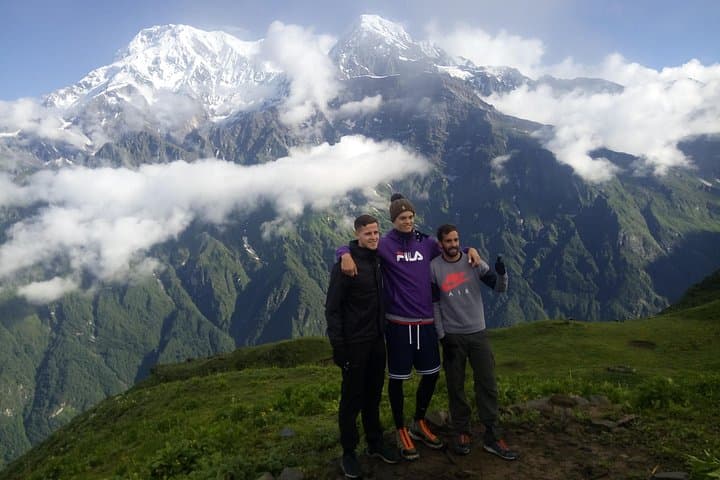
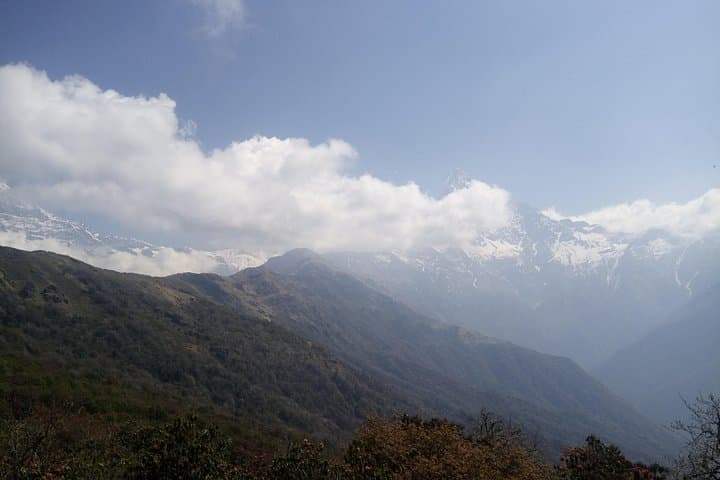
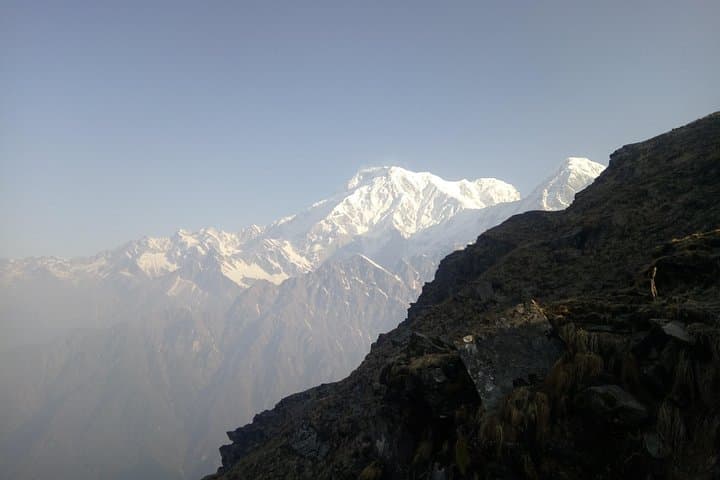
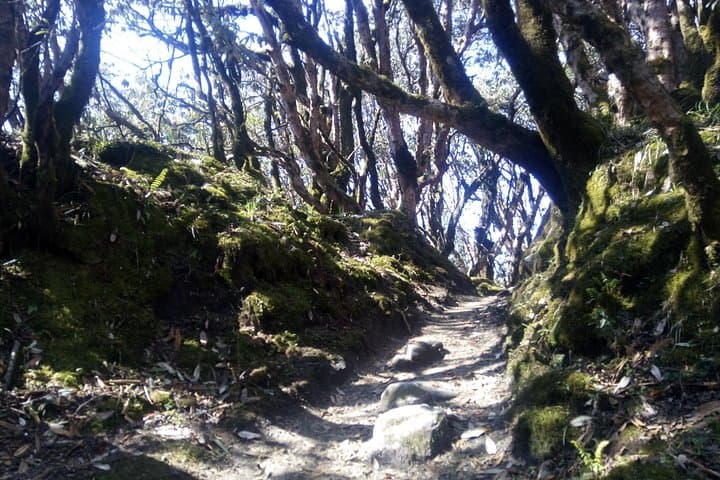
Morning light unpins the Annapurna ridge and the trail ahead breathes cold, pine-scented air — this is Mardi Himal. The route climbs from terraced villages above Pokhara into thick rhododendron and oak, then opens onto narrow alpine ridges where Machhapuchhre (Fishtail) and Annapurna South dominate the skyline.
Morning light unpins the Annapurna ridge and the trail ahead breathes cold, pine-scented air — this is Mardi Himal. The route climbs from terraced villages above Pokhara into thick rhododendron and oak, then opens onto narrow alpine ridges where Machhapuchhre (Fishtail) and Annapurna South dominate the skyline.
This short, steep trek follows trails used by local Gurung communities for generations and later adopted by tea-house guides as Annapurna tourism expanded in the late 20th century. Geologically the corridor is young Himalaya: folded sedimentary rocks uplifted by the collision of the Indian and Eurasian plates, producing steep gullies, moraine-like ridges and glacially carved valleys.
Culture arrives on the trail as stone houses, prayer flags and warm teahouse kitchens. The national bird, the danphe, sometimes flashes through the rhododendron; villagers tend yak pastures on upper slopes. Local hosts run simple guesthouses — food is hearty and often cooked over wood or gas.
Practical guidance: allow 8–9 days from Pokhara with an acclimatization day at High Camp; expect uneven stone steps, narrow ridgewalks and single-track through forest. Daily hiking ranges 3–6 hours on most days but plan for a 5–6 hour descent on day seven. Stay hydrated, carry layers for 4-season shifts, and bring cash for teahouses. Altitude reaches roughly 4,500 m at the high viewpoint — monitor symptoms and descend if you feel unwell. Trek with a licensed guide or porter if unfamiliar with high-altitude hiking; weather can change fast, so aim to summit viewpoints early for clear panoramas.