THE ADVENTURE COLLECTIVE® · Independent discovery and booking for outdoor travel

A quieter alternative to the crowded Annapurna circuits, the 8‑day Mardi Himal trek threads rhododendron forests, alpine ridgelines and high viewpoints for unrivaled views of Machhapuchhre and Annapurna South. Expect basic teahouse nights, steep climbs and dramatic panoramas.
A quieter alternative to the crowded Annapurna circuits, the 8‑day Mardi Himal trek threads rhododendron forests, alpine ridgelines and high viewpoints for unrivaled views of Machhapuchhre and Annapurna South. Expect basic teahouse nights, steep climbs and dramatic panoramas.
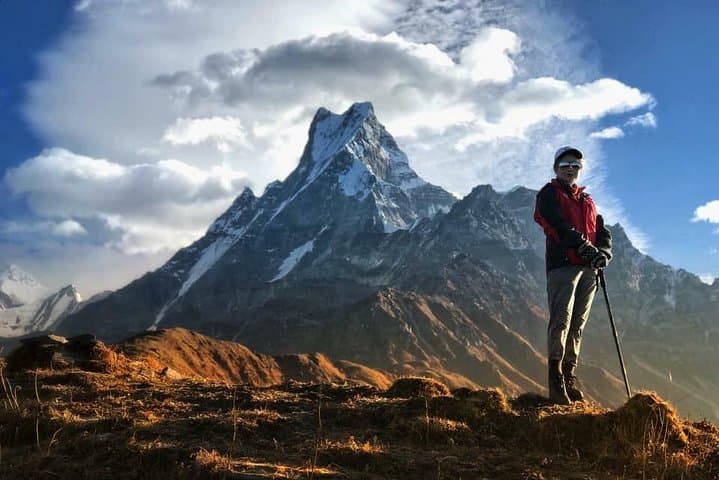
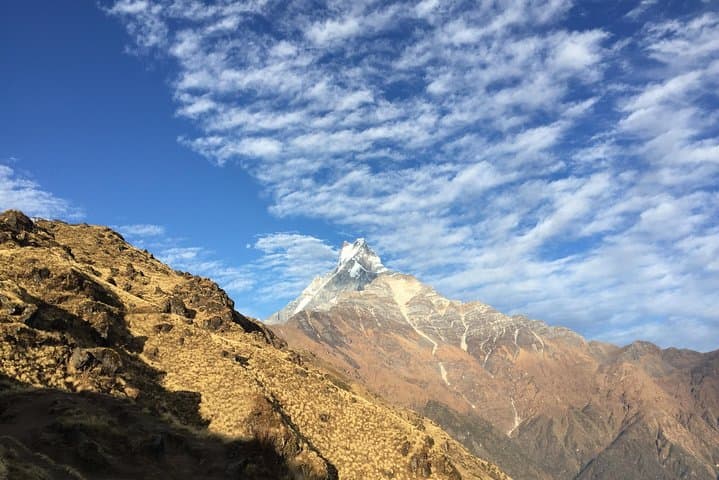
Dawn breaks over a narrow trail and the silhouette of Machhapuchhre (Fishtail) sharpens against ice-bright sky. The air at 3,500–4,500 meters is thin and honest; each step from forested Deurali to the alpine ridgeline reveals a new slice of the Annapurna massif. On the 8‑day Mardi Himal trek, pockets of rhododendron give way to stony moraines and a final, exposed sweep to the Mardi Himal viewpoint where Annapurna South, Hiunchuli and Machhapuchhre dominate the horizon.
Verified experiences and guided adventures in the surrounding area.
Operated by Amazing Nepal Adventure · Pokhara, Gandaki Province
Dawn breaks over a narrow trail and the silhouette of Machhapuchhre (Fishtail) sharpens against ice-bright sky. The air at 3,500–4,500 meters is thin and honest; each step from forested Deurali to the alpine ridgeline reveals a new slice of the Annapurna massif. On the 8‑day Mardi Himal trek, pockets of rhododendron give way to stony moraines and a final, exposed sweep to the Mardi Himal viewpoint where Annapurna South, Hiunchuli and Machhapuchhre dominate the horizon.
The route runs on traditional mule tracks that have carried local traders and shepherds for generations. Geologically, the trek traverses young Himalayan uplift—steep valleys with glacially carved basins and loose moraine above the tree line. Culturally, villages along the descent preserve Gurung and Magar homesteads, teahouses offering dal bhat and stories of seasonal yak pastures.
Expect long ascents and technical footing above 3,000 m; acclimatization and steady pacing are crucial. Typical days range from 3–6 hours of walking on uneven stone steps and alpine scree, with one early‑morning push to the viewpoint for sunrise. Water is available at teahouses but treat it; nights are basic at higher camps so a warm sleeping bag and layered clothing matter. Plan for sudden weather shifts, and schedule extra rest if you feel lightheaded.
This trek rewards patience: quiet trails, close mountain views, and cultural exchanges at small lodges. Pack for altitude, move deliberately, and you'll leave with clear panoramas—and a deeper sense of how the Annapurnas shape life here.
challenging.
7–8 days.
Good cardiovascular fitness and prior multi‑day hiking experience recommended; ability to carry a daypack and ascend steadily for 4–6 hours.
Yes—trekkers require the Annapurna Conservation Area Permit (ACAP) and a TIMS card; your operator typically arranges these before departure.
The viewpoint reaches around 4,500 m; the final approach is steep and exposed but non‑technical—good boots and slow pacing are essential.
Accommodation is teahouse style: basic rooms with shared facilities, simple hot meals, and limited electricity at higher villages.
Fall (Sept–Nov) and spring (Mar–May) offer the most stable weather and best mountain visibility; winter is quiet but colder and may have snow.
The trails grew from trade and seasonal transhumance routes linking high pastures with Pokhara’s valley markets; local Gurung and Magar communities maintain many teahouses.
The route passes through the Annapurna Conservation Area—stick to trails, pack out plastic, and favor local teahouses to support community‑based conservation.
Amazing Nepal Adventure operates guided outdoor trips and adventures with an emphasis on safety, stewardship, and memorable experiences.
Dawn breaks over a narrow trail and the silhouette of Machhapuchhre (Fishtail) sharpens against ice-bright sky. The air at 3,500–4,500 meters is thin and honest; each step from forested Deurali to the alpine ridgeline reveals a new slice of the Annapurna massif. On the 8‑day Mardi Himal trek, pockets of rhododendron give way to stony moraines and a final, exposed sweep to the Mardi Himal viewpoint where Annapurna South, Hiunchuli and Machhapuchhre dominate the horizon.
Dawn breaks over a narrow trail and the silhouette of Machhapuchhre (Fishtail) sharpens against ice-bright sky. The air at 3,500–4,500 meters is thin and honest; each step from forested Deurali to the alpine ridgeline reveals a new slice of the Annapurna massif. On the 8‑day Mardi Himal trek, pockets of rhododendron give way to stony moraines and a final, exposed sweep to the Mardi Himal viewpoint where Annapurna South, Hiunchuli and Machhapuchhre dominate the horizon.
The route runs on traditional mule tracks that have carried local traders and shepherds for generations. Geologically, the trek traverses young Himalayan uplift—steep valleys with glacially carved basins and loose moraine above the tree line. Culturally, villages along the descent preserve Gurung and Magar homesteads, teahouses offering dal bhat and stories of seasonal yak pastures.
Expect long ascents and technical footing above 3,000 m; acclimatization and steady pacing are crucial. Typical days range from 3–6 hours of walking on uneven stone steps and alpine scree, with one early‑morning push to the viewpoint for sunrise. Water is available at teahouses but treat it; nights are basic at higher camps so a warm sleeping bag and layered clothing matter. Plan for sudden weather shifts, and schedule extra rest if you feel lightheaded.
This trek rewards patience: quiet trails, close mountain views, and cultural exchanges at small lodges. Pack for altitude, move deliberately, and you'll leave with clear panoramas—and a deeper sense of how the Annapurnas shape life here.