THE ADVENTURE COLLECTIVE® · Independent discovery and booking for outdoor travel

A concise 5-day trek from Pokhara into the lesser-traveled side of the Annapurna range. Expect rhododendron forests, clear streams, tea-house nights, and a viewpoint climb to roughly 3,200–3,300 m with sweeping views of Machapuchare.
A concise 5-day trek from Pokhara into the lesser-traveled side of the Annapurna range. Expect rhododendron forests, clear streams, tea-house nights, and a viewpoint climb to roughly 3,200–3,300 m with sweeping views of Machapuchare.
You crest a steep, fern-lined switchback and the ridge opens: a serrated line of peaks — Annapurna South and the knife-like Machapuchare — fill the sky while a cold wind pushes the scent of pine and wet earth into your lungs.
Verified experiences and guided adventures in the surrounding area.
Operated by Everest Trekking Routes Pvt. Ltd. · Pokhara, Gandaki Province
You crest a steep, fern-lined switchback and the ridge opens: a serrated line of peaks — Annapurna South and the knife-like Machapuchare — fill the sky while a cold wind pushes the scent of pine and wet earth into your lungs.
The five-day Mardi Himal trek threads from Pokhara’s foothills into the Annapurna Conservation Area, following old mule tracks through rhododendron forest and along clear mountain streams. The route has modern tea-house support but retains a feel of quiet remoteness because it's newer to trekkers than Annapurna Base Camp or Poon Hill.
Geologically the trail climbs out of Miocene sandstone valleys into glacially carved amphitheaters; at higher camps the landscape becomes stubbier and rockier as moraine and scree appear. Culturally, villages en route are largely Gurung and Magar: expect simple teahouses, homemade dal bhat, and locally woven textiles.
Practical edge: most itineraries peak around 3,200–3,300 m at High Camp or viewpoints, so altitude is moderate but real — acclimatize with steady pacing and extra water. Days are generally 4–7 hours of walking on narrow, sometimes steep trails with short exposed sections; mornings bring the best light for views and cooler footing. Permits (ACAP and TIMS) are required and often included; tea-house nights mean you can travel light or hire a porter (1 porter per 2 people commonly provided).
Pack layered clothing, good boots, and cash for teahouses. Aim for spring or autumn for rhododendron blooms and clear skies, and start early to beat afternoon clouds. The Mardi route rewards hikers seeking focused mountain views with fewer tents and fewer people — a concise, accessible Himalayan trek with practical infrastructure and big alpine scenery.
moderate.
5 days.
Good aerobic fitness with ability to hike 4–7 hours on steep trails; comfortable on uneven terrain.
Most itineraries reach high viewpoints around 3,200–3,300 m (High Camp/viewpoint), offering dramatic views without extreme altitude.
Yes — ACAP and TIMS permits are required for the Annapurna Conservation Area; many operators include these in the price.
Tea-house accommodation (simple rooms with shared bathrooms) is standard, with meals served family-style; hot showers and Wi‑Fi may cost extra.
Spring (March–May) and autumn (Sept–Nov) offer the most stable weather and flowering rhododendrons or clear post-monsoon skies.
The route runs inside the Annapurna Conservation Area, established to balance local livelihoods with mountain conservation; villages along the way retain Gurung and Magar cultural traditions.
ACAP manages permits and conservation fees; stick to marked trails, minimize single-use plastics, and support local teahouses to keep tourism benefits in the valley.
Everest Trekking Routes Pvt. Ltd. operates guided outdoor trips and adventures with an emphasis on safety, stewardship, and memorable experiences.
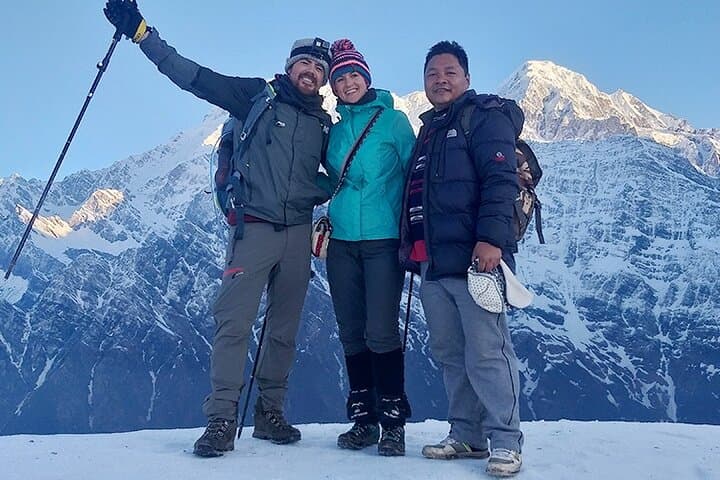
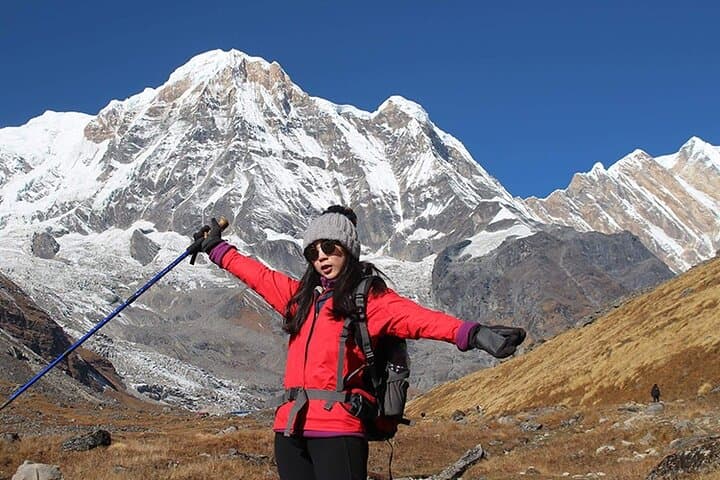
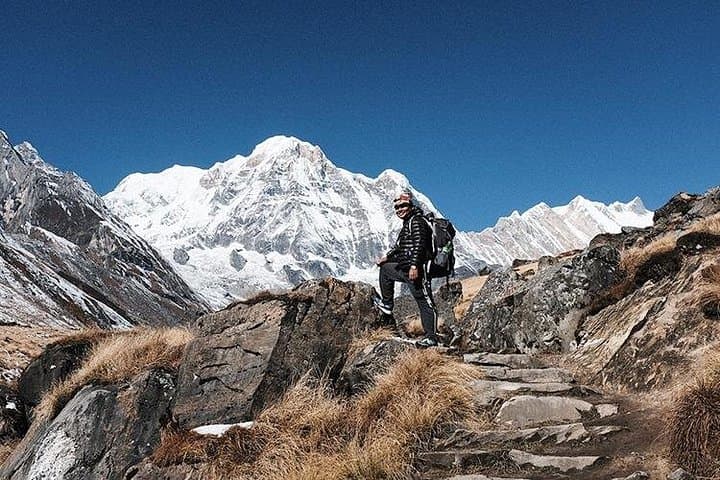
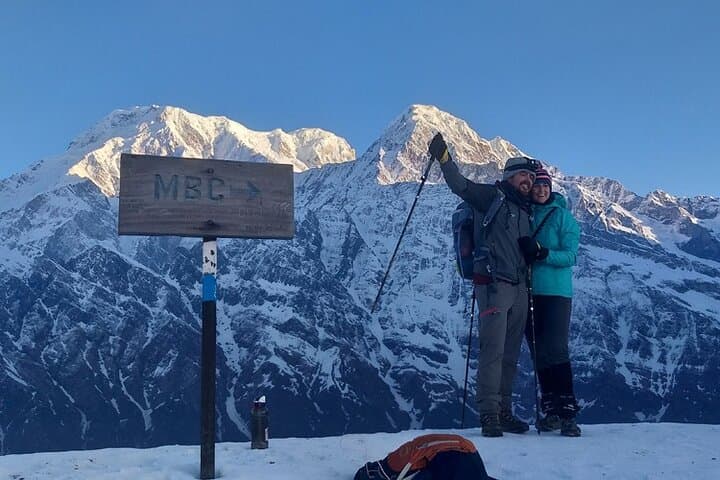
You crest a steep, fern-lined switchback and the ridge opens: a serrated line of peaks — Annapurna South and the knife-like Machapuchare — fill the sky while a cold wind pushes the scent of pine and wet earth into your lungs.
You crest a steep, fern-lined switchback and the ridge opens: a serrated line of peaks — Annapurna South and the knife-like Machapuchare — fill the sky while a cold wind pushes the scent of pine and wet earth into your lungs.
The five-day Mardi Himal trek threads from Pokhara’s foothills into the Annapurna Conservation Area, following old mule tracks through rhododendron forest and along clear mountain streams. The route has modern tea-house support but retains a feel of quiet remoteness because it's newer to trekkers than Annapurna Base Camp or Poon Hill.
Geologically the trail climbs out of Miocene sandstone valleys into glacially carved amphitheaters; at higher camps the landscape becomes stubbier and rockier as moraine and scree appear. Culturally, villages en route are largely Gurung and Magar: expect simple teahouses, homemade dal bhat, and locally woven textiles.
Practical edge: most itineraries peak around 3,200–3,300 m at High Camp or viewpoints, so altitude is moderate but real — acclimatize with steady pacing and extra water. Days are generally 4–7 hours of walking on narrow, sometimes steep trails with short exposed sections; mornings bring the best light for views and cooler footing. Permits (ACAP and TIMS) are required and often included; tea-house nights mean you can travel light or hire a porter (1 porter per 2 people commonly provided).
Pack layered clothing, good boots, and cash for teahouses. Aim for spring or autumn for rhododendron blooms and clear skies, and start early to beat afternoon clouds. The Mardi route rewards hikers seeking focused mountain views with fewer tents and fewer people — a concise, accessible Himalayan trek with practical infrastructure and big alpine scenery.