THE ADVENTURE COLLECTIVE® · Independent discovery and booking for outdoor travel

Four days of steep rhododendron trails, teahouse nights and jaw-dropping views of the Annapurna range. This compact Mardi Himal trek delivers high-alpine panoramas with manageable daily hikes and local hospitality.
Four days of steep rhododendron trails, teahouse nights and jaw-dropping views of the Annapurna range. This compact Mardi Himal trek delivers high-alpine panoramas with manageable daily hikes and local hospitality.
A low sun slides across Phewa Lake as a jeep eases out of Pokhara and the valley breathes its cool, pine-scented air. Within an hour the road gives way to stone trails and rhododendron forests; the path climbs, narrows, and opens onto the raw skyline of the Annapurna massif. By afternoon the trek reaches Forest Camp, a quiet cluster of teahouses where evening light paints Machhapuchhre’s fluted face.
Verified experiences and guided adventures in the surrounding area.
Operated by MTA Trekking · Pokhara, Gandaki Province
A low sun slides across Phewa Lake as a jeep eases out of Pokhara and the valley breathes its cool, pine-scented air. Within an hour the road gives way to stone trails and rhododendron forests; the path climbs, narrows, and opens onto the raw skyline of the Annapurna massif. By afternoon the trek reaches Forest Camp, a quiet cluster of teahouses where evening light paints Machhapuchhre’s fluted face.
This compact, four-day route threads through geology that is still young—steep folded ranges hewn from continental collision—and offers a front-row seat to Annapurna I and Machhapuchhre (Fishtail). The region is culturally Gurung country: villages such as Dhampus and Siding mix stone houses, terraced fields, and warm kitchen hospitality. The Annapurna Conservation Area Project governs the corridor, so visitors encounter regulated trails and visible conservation efforts.
Expect 3–6 hours of walking per day over mixed terrain: compacted dirt, stone steps and occasional steep pitches with 1,000–1,500 m of net gain on the toughest day to High Camp and Mardi Base Viewpoint (up to ~4,500 m). Nights are spent in teahouses; simple mattresses, hot meals, and shared bathrooms are the norm.
Practical advice: pace for altitude, carry layered clothing for rapidly shifting mountain weather, and plan early starts for clear summit views. Hydrate deliberately and use trekking poles for steep descents. Monsoon (June–July) brings heavy rain and leeches; autumn and spring deliver the most stable conditions and best visibility.
This short trek balances panoramic reward with logistical simplicity—ideal for hikers who want alpine exposure without a two-week commitment.
moderate.
4 days.
Suitable for hikers with good aerobic fitness who can handle 4–6 hours of uphill walking and some steep terrain
Yes—trekkers must register with the Annapurna Conservation Area Project (ACAP) and carry a TIMS card; guides/tour operators generally handle permits.
Moderate fitness with prior day-hike experience is sufficient; be comfortable walking 4–6 hours with some steep sections and carrying a daypack.
Basic but comfortable: shared rooms, simple meals (Dal Bhat common), and cold or sometimes hot showers for a fee—bring a liner for hygiene and warmth.
Autumn (Sept–Nov) and spring (Mar–May) offer the most stable weather and the best mountain views; avoid peak monsoon months.
Gurung communities have farmed these slopes for centuries; the Annapurna Conservation Area, created in the 1980s, balances tourism with local stewardship.
ACAP controls permits and trail management; minimize waste by using reusable bottles and following teahouse guidelines for greywater and trash.
MTA Trekking operates guided outdoor trips and adventures with an emphasis on safety, stewardship, and memorable experiences.
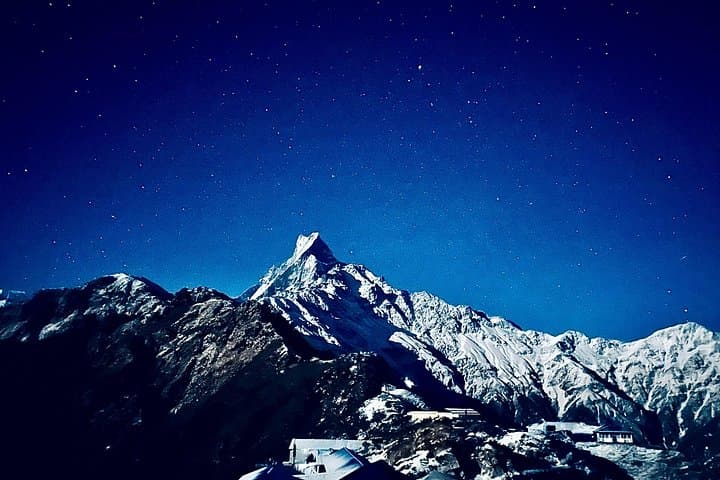
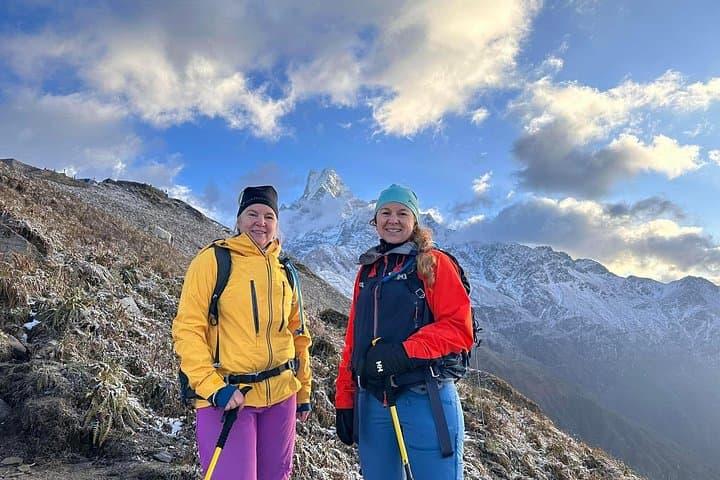
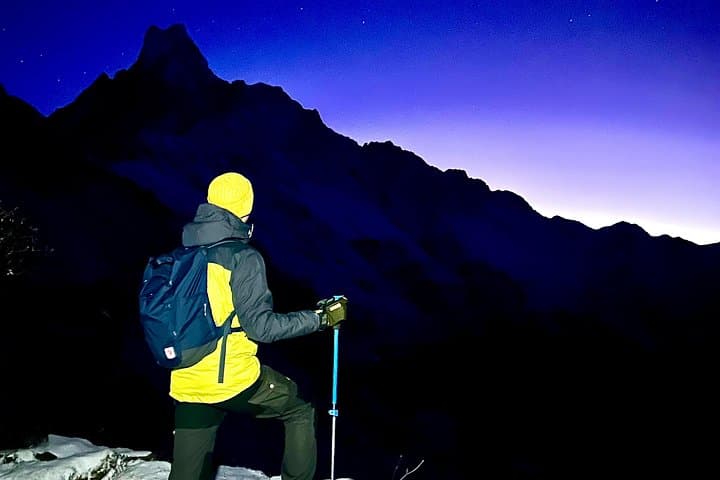
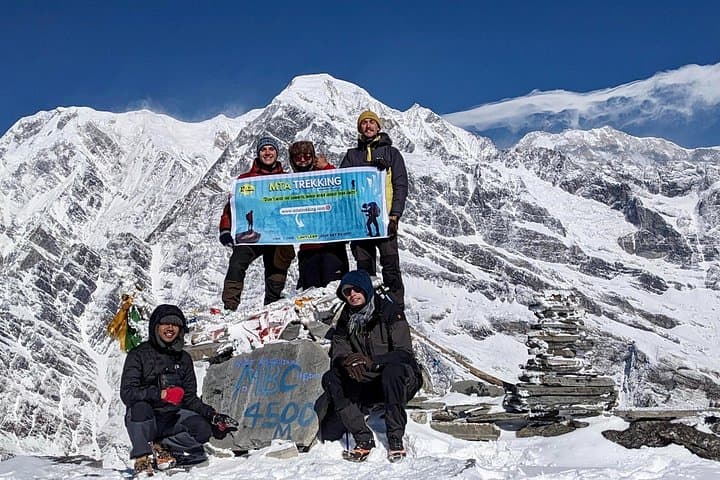
A low sun slides across Phewa Lake as a jeep eases out of Pokhara and the valley breathes its cool, pine-scented air. Within an hour the road gives way to stone trails and rhododendron forests; the path climbs, narrows, and opens onto the raw skyline of the Annapurna massif. By afternoon the trek reaches Forest Camp, a quiet cluster of teahouses where evening light paints Machhapuchhre’s fluted face.
A low sun slides across Phewa Lake as a jeep eases out of Pokhara and the valley breathes its cool, pine-scented air. Within an hour the road gives way to stone trails and rhododendron forests; the path climbs, narrows, and opens onto the raw skyline of the Annapurna massif. By afternoon the trek reaches Forest Camp, a quiet cluster of teahouses where evening light paints Machhapuchhre’s fluted face.
This compact, four-day route threads through geology that is still young—steep folded ranges hewn from continental collision—and offers a front-row seat to Annapurna I and Machhapuchhre (Fishtail). The region is culturally Gurung country: villages such as Dhampus and Siding mix stone houses, terraced fields, and warm kitchen hospitality. The Annapurna Conservation Area Project governs the corridor, so visitors encounter regulated trails and visible conservation efforts.
Expect 3–6 hours of walking per day over mixed terrain: compacted dirt, stone steps and occasional steep pitches with 1,000–1,500 m of net gain on the toughest day to High Camp and Mardi Base Viewpoint (up to ~4,500 m). Nights are spent in teahouses; simple mattresses, hot meals, and shared bathrooms are the norm.
Practical advice: pace for altitude, carry layered clothing for rapidly shifting mountain weather, and plan early starts for clear summit views. Hydrate deliberately and use trekking poles for steep descents. Monsoon (June–July) brings heavy rain and leeches; autumn and spring deliver the most stable conditions and best visibility.
This short trek balances panoramic reward with logistical simplicity—ideal for hikers who want alpine exposure without a two-week commitment.