THE ADVENTURE COLLECTIVE® · Independent discovery and booking for outdoor travel

A compact 10-day route from Pokhara into the Annapurna Conservation Area, Mardi Himal offers close-up Himalayan views, quiet tea-house nights and a fast-but-steady altitude profile. Ideal for trekkers who want dramatic scenery with fewer crowds than ABC.
A compact 10-day route from Pokhara into the Annapurna Conservation Area, Mardi Himal offers close-up Himalayan views, quiet tea-house nights and a fast-but-steady altitude profile. Ideal for trekkers who want dramatic scenery with fewer crowds than ABC.
The trail kicks off just outside Pokhara, with the road loosening into dirt as you climb to Kande and step onto a path threaded through oak and rhododendron. Morning light slices across Annapurna South and Machapuchare; the mountains feel alive, as if the ridgelines are nudging you higher.
Verified experiences and guided adventures in the surrounding area.
Operated by Annapurna Foothills Treks Expedition Pvt. Ltd. · Pokhara, Gandaki Province
The trail kicks off just outside Pokhara, with the road loosening into dirt as you climb to Kande and step onto a path threaded through oak and rhododendron. Morning light slices across Annapurna South and Machapuchare; the mountains feel alive, as if the ridgelines are nudging you higher.
Mardi Himal is a newer, less-traveled route in the Annapurna Conservation Area, opened to offer closer, quieter views of the high peaks than the classic ABC circuit. Geologically, the trek moves from river-cut valleys up through temperate forests onto exposed moraine and scree near High Camp and the Base Camp viewpoint (about 4,200 m). Culturally you pass Gurung and Magar villages—tea houses are simple, communal, and run by families who balance tradition with the growing numbers of trekkers.
Expect daily hiking of 3–6 hours between established stops: Pothana (1,925 m), Forest Camp (2,600 m), Low Camp (3,150 m), High Camp (3,600 m) and the Mardi viewpoint. Trails alternate compact dirt, rooty forest tracks and short steep pitches of loose rock; footing becomes more exposed above 3,000 m. Acclimatization matters—schedule steady gains, drink often, and watch for headaches or nausea.
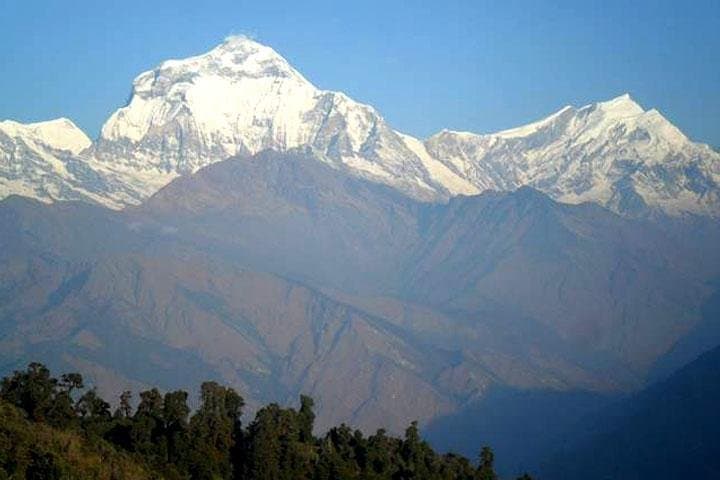
Practical notes: permits (ACAP and TIMS) are required, tea houses supply hot meals and basic rooms on twin-share, and porters are commonly available. Pack a warm sleeping liner for high camps, bring a lightweight water filter, and plan early starts to avoid afternoon wind and cloud buildup. With clear weather, the summit ridge offers sweeping, close-range vistas of Annapurna South, Hiunchuli and Machapuchare—an intimate, high-altitude walk that rewards preparation as much as perseverance.
challenging.
10 days.
Good aerobic fitness with prior multi-day trek experience; comfortable with steady uphill days and basic scrambling on loose rock.
Yes—trekkers must hold an Annapurna Conservation Area (ACAP) permit and a TIMS card; your operator usually arranges these before the trek.
The profile gains quickly above 2,500 m, so acclimatization is important—follow a steady ascent plan, hydrate, and accept a slower pace if symptoms appear.
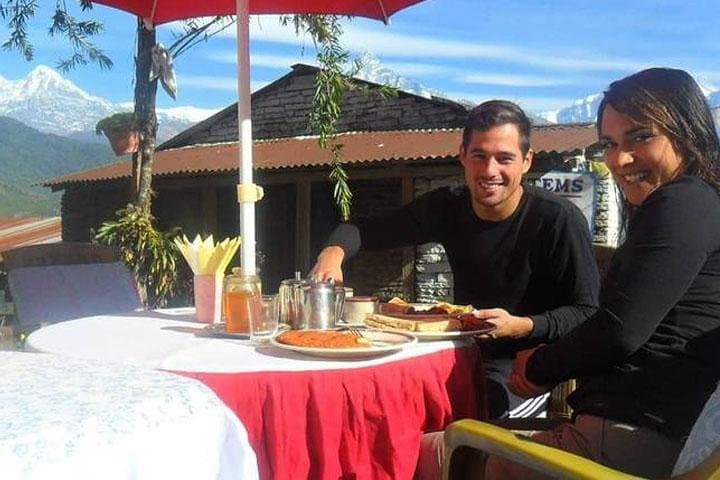
Yes—most nights are in tea houses or simple lodges on twin-share; meals are basic Nepali fare with options for vegetarian and protein-rich dishes.
Spring (March–May) and fall (Sept–Nov) offer the most stable weather and rhododendron blooms; winter has clear skies but cold nights and possible snow at higher camps.
Mardi Himal rose in popularity in the 2010s as an alternative to Annapurna Base Camp, running through the Annapurna Conservation Area that protects mountain ecology and local culture.
Stick to marked trails, use refillable bottles, and support licensed tea houses; ACAP fees fund conservation and community development in the region.
Annapurna Foothills Treks Expedition Pvt. Ltd. operates guided outdoor trips and adventures with an emphasis on safety, stewardship, and memorable experiences.
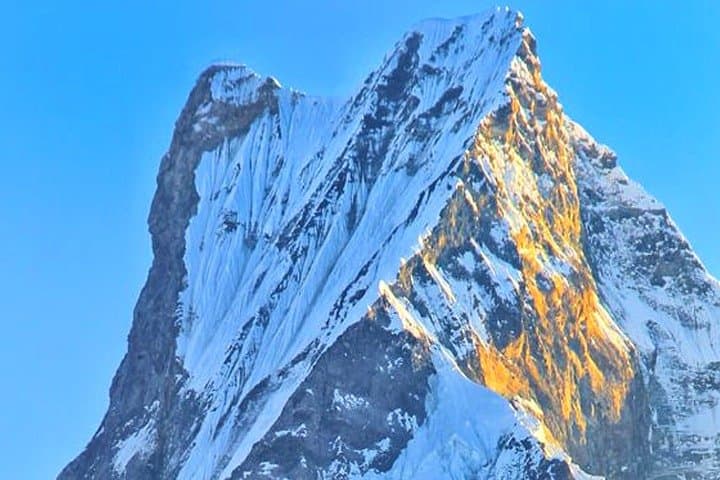
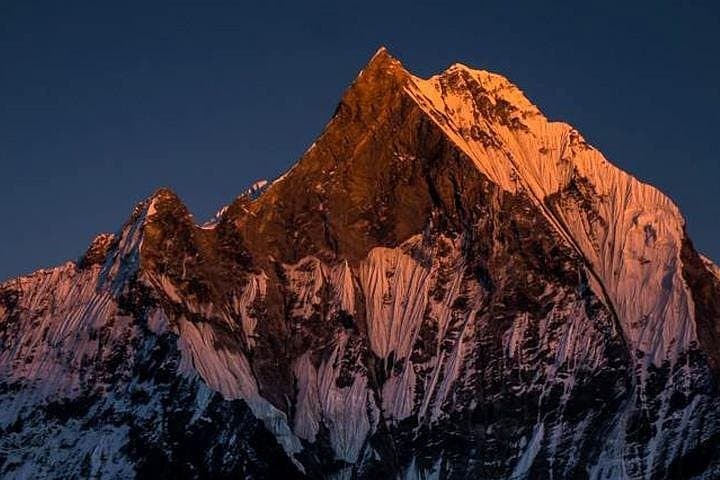
The trail kicks off just outside Pokhara, with the road loosening into dirt as you climb to Kande and step onto a path threaded through oak and rhododendron. Morning light slices across Annapurna South and Machapuchare; the mountains feel alive, as if the ridgelines are nudging you higher.
The trail kicks off just outside Pokhara, with the road loosening into dirt as you climb to Kande and step onto a path threaded through oak and rhododendron. Morning light slices across Annapurna South and Machapuchare; the mountains feel alive, as if the ridgelines are nudging you higher.
Mardi Himal is a newer, less-traveled route in the Annapurna Conservation Area, opened to offer closer, quieter views of the high peaks than the classic ABC circuit. Geologically, the trek moves from river-cut valleys up through temperate forests onto exposed moraine and scree near High Camp and the Base Camp viewpoint (about 4,200 m). Culturally you pass Gurung and Magar villages—tea houses are simple, communal, and run by families who balance tradition with the growing numbers of trekkers.
Expect daily hiking of 3–6 hours between established stops: Pothana (1,925 m), Forest Camp (2,600 m), Low Camp (3,150 m), High Camp (3,600 m) and the Mardi viewpoint. Trails alternate compact dirt, rooty forest tracks and short steep pitches of loose rock; footing becomes more exposed above 3,000 m. Acclimatization matters—schedule steady gains, drink often, and watch for headaches or nausea.
Practical notes: permits (ACAP and TIMS) are required, tea houses supply hot meals and basic rooms on twin-share, and porters are commonly available. Pack a warm sleeping liner for high camps, bring a lightweight water filter, and plan early starts to avoid afternoon wind and cloud buildup. With clear weather, the summit ridge offers sweeping, close-range vistas of Annapurna South, Hiunchuli and Machapuchare—an intimate, high-altitude walk that rewards preparation as much as perseverance.