THE ADVENTURE COLLECTIVE® · Independent discovery and booking for outdoor travel

A compact, off‑beat trek in the Annapurna range that climbs to roughly 4,500m beneath Machhapuchare. Expect mixed single-track, tea‑house nights, rhododendron forests and sweeping peak views on a 5–6 day route from Pokhara.
A compact, off‑beat trek in the Annapurna range that climbs to roughly 4,500m beneath Machhapuchare. Expect mixed single-track, tea‑house nights, rhododendron forests and sweeping peak views on a 5–6 day route from Pokhara.
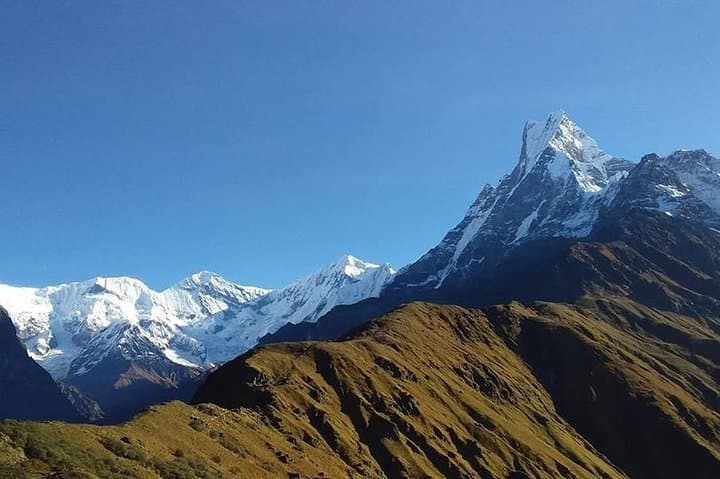
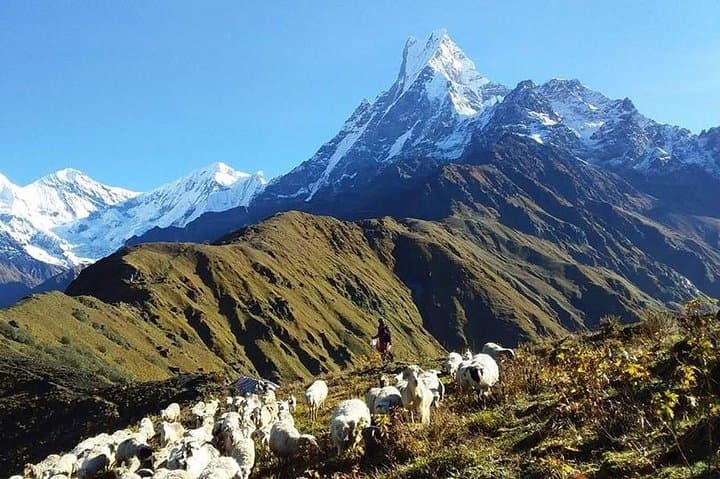
A cold dawn in the Annapurna foothills can sharpen the air until the snow faces of Machhapuchare cut like a blade on the skyline. The Mardi Himal Base Camp Trek starts with a slow climb from Pokhara up to Kande and Australian Camp, threading through pine and tall rhododendron that give way to dwarf shrubs as the trail rises toward High Camp and the 4,500m basin of Mardi Himal.
Verified experiences and guided adventures in the surrounding area.
Operated by White Hill Adventure Treks & Expedition Pvt. Ltd. · Pokhara, Gandaki Province
A cold dawn in the Annapurna foothills can sharpen the air until the snow faces of Machhapuchare cut like a blade on the skyline. The Mardi Himal Base Camp Trek starts with a slow climb from Pokhara up to Kande and Australian Camp, threading through pine and tall rhododendron that give way to dwarf shrubs as the trail rises toward High Camp and the 4,500m basin of Mardi Himal.
This route traces one of the quieter approaches in the Annapurna massif — called the “Other Sanctuary” after the main Annapurna Sanctuary — passing traditional Gurung villages, terraced fields and ridgelines that reveal layered views of Annapurna South and Machhapuchare (a peak revered and largely unclimbed). Geologically the trail moves from fertile mid-hills to glacially influenced moraine and scree near the base camp, where thin air and alpine weather demand respect.
Practical details: typical itineraries run 5–6 days with daily hiking of 4–6 hours, overnighting in mountain tea houses. Permits (TIMS and Annapurna conservation fees) and a licensed guide are standard. Expect mixed single-track, stone steps and loose scree, with cumulative elevation gain to 4,500m. Hydration, slow ascent, and warm layered clothing matter more than speed — acclimatize at Deurali or High Camp if needed.
Timing: spring and autumn offer best visibility; carry cash for tea houses and tip guides. For hikers who want dramatic peaks without the crowds, Mardi Himal is a compact, high-gradient Himalayan experience that rewards steady pacing and attentive weather planning.
challenging.
6 days.
Moderate to strong cardiovascular fitness with prior multi‑day hiking experience; able to carry a daypack and handle sustained climbs.
Yes — a TIMS card and Annapurna Conservation Area Permit (ACAP) are required and typically handled by your operator or guide.
Spring (March–May) and autumn (September–November) offer the clearest mountain views and stable weather; monsoon is wet and winter brings deep cold and possible snow.
Yes — basic tea houses and lodges provide meals and simple rooms; bring cash and a small sleeping bag liner for comfort.
The route gains altitude quickly, reaching about 4,500m; hikers should be prepared for thinner air and walk at a conservative pace to acclimatize.
The Mardi region was opened to trekkers later than the main Annapurna Sanctuary routes and is often called the ‘Other Sanctuary’; Machhapuchare is locally sacred and has never been officially climbed to its summit.
Traffic is increasing—stick to marked trails, minimize single‑use plastics, and use established tea houses to support local conservation and communities.
White Hill Adventure Treks & Expedition Pvt. Ltd. operates guided outdoor trips and adventures with an emphasis on safety, stewardship, and memorable experiences.
A cold dawn in the Annapurna foothills can sharpen the air until the snow faces of Machhapuchare cut like a blade on the skyline. The Mardi Himal Base Camp Trek starts with a slow climb from Pokhara up to Kande and Australian Camp, threading through pine and tall rhododendron that give way to dwarf shrubs as the trail rises toward High Camp and the 4,500m basin of Mardi Himal.
A cold dawn in the Annapurna foothills can sharpen the air until the snow faces of Machhapuchare cut like a blade on the skyline. The Mardi Himal Base Camp Trek starts with a slow climb from Pokhara up to Kande and Australian Camp, threading through pine and tall rhododendron that give way to dwarf shrubs as the trail rises toward High Camp and the 4,500m basin of Mardi Himal.
This route traces one of the quieter approaches in the Annapurna massif — called the “Other Sanctuary” after the main Annapurna Sanctuary — passing traditional Gurung villages, terraced fields and ridgelines that reveal layered views of Annapurna South and Machhapuchare (a peak revered and largely unclimbed). Geologically the trail moves from fertile mid-hills to glacially influenced moraine and scree near the base camp, where thin air and alpine weather demand respect.
Practical details: typical itineraries run 5–6 days with daily hiking of 4–6 hours, overnighting in mountain tea houses. Permits (TIMS and Annapurna conservation fees) and a licensed guide are standard. Expect mixed single-track, stone steps and loose scree, with cumulative elevation gain to 4,500m. Hydration, slow ascent, and warm layered clothing matter more than speed — acclimatize at Deurali or High Camp if needed.
Timing: spring and autumn offer best visibility; carry cash for tea houses and tip guides. For hikers who want dramatic peaks without the crowds, Mardi Himal is a compact, high-gradient Himalayan experience that rewards steady pacing and attentive weather planning.