THE ADVENTURE COLLECTIVE® · Independent discovery and booking for outdoor travel

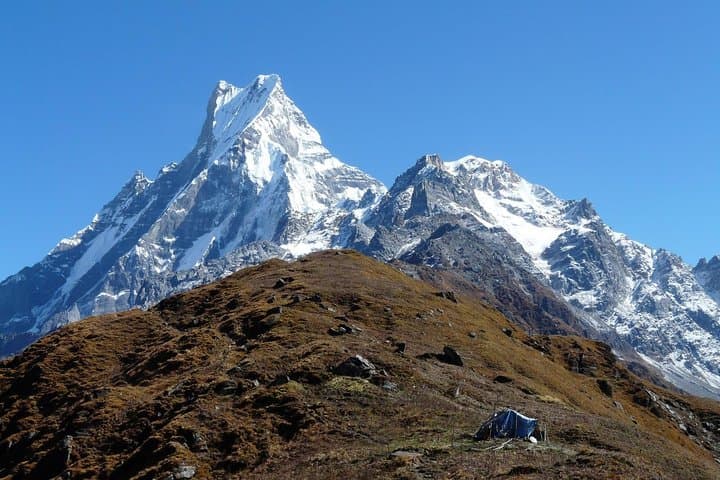
A compact 9-day trek that climbs from Pokhara’s foothills into alpine meadows and Mardi Himal Base Camp, delivering close-up views of Machhapuchhre and Annapurna South. Expect teahouse nights, steady altitude gain and local Gurung village culture on the descent.
A compact 9-day trek that climbs from Pokhara’s foothills into alpine meadows and Mardi Himal Base Camp, delivering close-up views of Machhapuchhre and Annapurna South. Expect teahouse nights, steady altitude gain and local Gurung village culture on the descent.
You step off the jeep at Kande with pine-scented air in your lungs and a slice of Machhapuchhre (Fishtail) pinned on the horizon.
Verified experiences and guided adventures in the surrounding area.
Operated by Himalayan Adventure Treks and Tours Pvt Ltd · Pokhara, Gandaki Province
You step off the jeep at Kande with pine-scented air in your lungs and a slice of Machhapuchhre (Fishtail) pinned on the horizon.
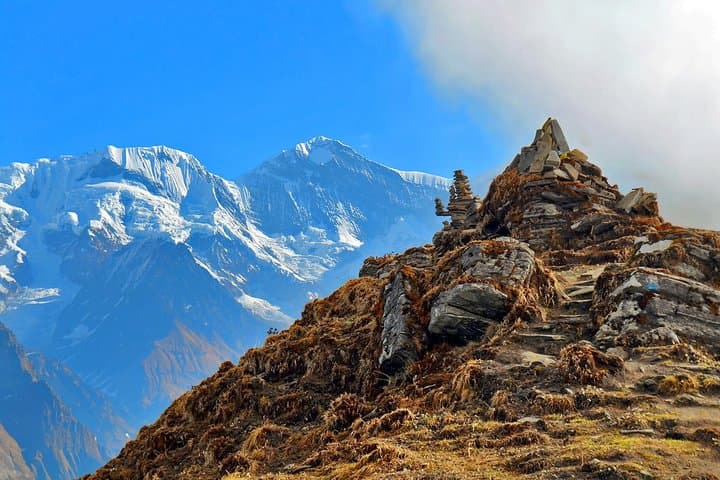
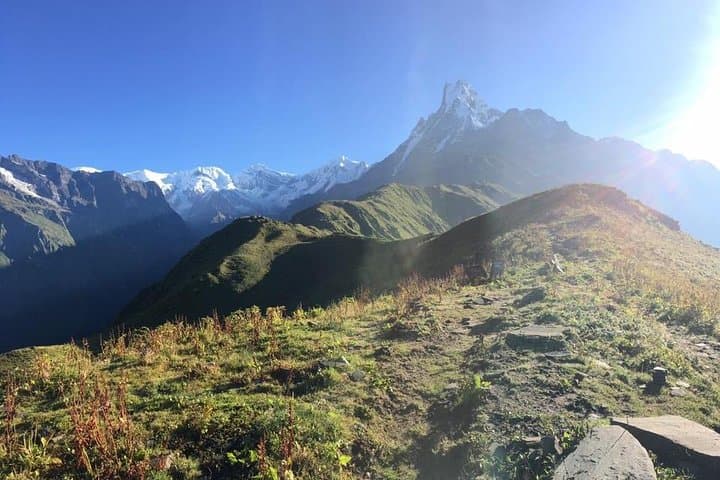
Over nine days the trail moves from terraced fields and Gurung villages into rhododendron forest, then up through alpine meadows to the airy ridge above High Camp and the raw rock near Mardi Himal Base Camp. Geologically this is the southern flank of the Annapurna massif—young fold mountains of lifted sedimentary rock—so trails swing between loose scree, grassy ledges, and compacted dirt. The route threads local history: Gurung settlements along the descent into Siding still hold traditional stone houses and seasonal terraces, and the paths follow old pastoral routes used for centuries.
Culturally, expect warm teahouse hospitality, simple dal-bhat meals, and local guides who read weather and altitude as closely as a map. Wildlife is quiet but present: pheasants and grey-headed parrots in the woods, occasional langur or Himalayan thar at higher elevations.
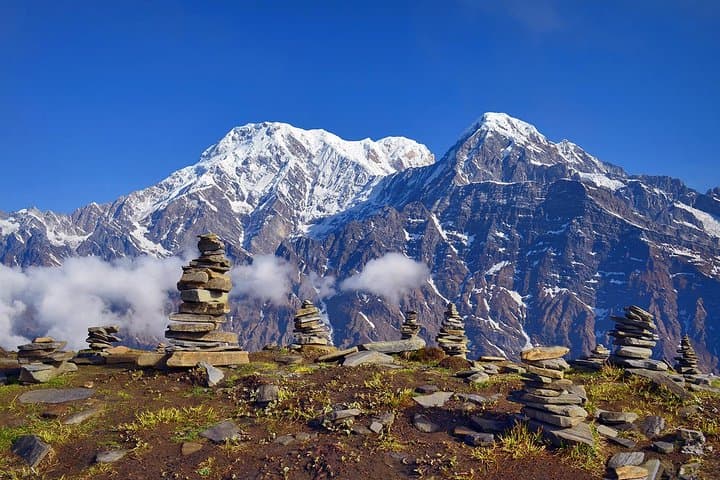
Practical guidance: plan for steady altitude gain—your highest overnight sits near 3,600 m and the base camp reaches about 4,450 m—so pace conservatively, hydrate, and watch for early signs of AMS. Sturdy hiking boots, layered clothing, and a sleeping bag rated to -5°C will keep evenings comfortable. Start early in spring or autumn for clearer views; winter brings snow above High Camp, and monsoon makes lower trails slippery. Allow rest days and factor in travel time between Kathmandu and Pokhara. This trek pairs close-up views of Annapurna South and Machhapuchhre with manageable days and authentic village encounters—an alpine experience that rewards steady legs and curiosity.
moderate.
8–9 days.
Good cardiovascular fitness; able to hike 4–6 hours per day with sustained uphill sections and 400–1,200 m elevation gain on some days.
Yes—TIMS and the Annapurna Conservation Area Project (ACAP) permit are required and usually arranged by your operator before the trek.
The base camp reaches about 4,450 m; acclimatize by keeping daily gains moderate and drink plenty of water—your itinerary includes gradual ascent and a night at High Camp to help acclimatization.
Basic tea-house lodges with twin rooms and shared bathrooms; meals are simple yet filling—dal-bhat, noodle soups and local dishes. Vegetarian options are common if requested in advance.
Spring (March–May) and autumn (September–November) offer the clearest views and stable weather; monsoon months bring slippery trails and winter can have snow above High Camp.
The trails follow longstanding pastoral and trade routes used by Gurung communities; the Annapurna Conservation Area was one of Nepal’s first community-conserved landscapes.
Visitors should stick to packed trails, avoid single-use plastics in teahouses, and respect wildlife—local lodges and ACAP reinvest permit fees into trail maintenance and community programs.
Himalayan Adventure Treks and Tours Pvt Ltd operates guided outdoor trips and adventures with an emphasis on safety, stewardship, and memorable experiences.
You step off the jeep at Kande with pine-scented air in your lungs and a slice of Machhapuchhre (Fishtail) pinned on the horizon.
You step off the jeep at Kande with pine-scented air in your lungs and a slice of Machhapuchhre (Fishtail) pinned on the horizon.
Over nine days the trail moves from terraced fields and Gurung villages into rhododendron forest, then up through alpine meadows to the airy ridge above High Camp and the raw rock near Mardi Himal Base Camp. Geologically this is the southern flank of the Annapurna massif—young fold mountains of lifted sedimentary rock—so trails swing between loose scree, grassy ledges, and compacted dirt. The route threads local history: Gurung settlements along the descent into Siding still hold traditional stone houses and seasonal terraces, and the paths follow old pastoral routes used for centuries.
Culturally, expect warm teahouse hospitality, simple dal-bhat meals, and local guides who read weather and altitude as closely as a map. Wildlife is quiet but present: pheasants and grey-headed parrots in the woods, occasional langur or Himalayan thar at higher elevations.
Practical guidance: plan for steady altitude gain—your highest overnight sits near 3,600 m and the base camp reaches about 4,450 m—so pace conservatively, hydrate, and watch for early signs of AMS. Sturdy hiking boots, layered clothing, and a sleeping bag rated to -5°C will keep evenings comfortable. Start early in spring or autumn for clearer views; winter brings snow above High Camp, and monsoon makes lower trails slippery. Allow rest days and factor in travel time between Kathmandu and Pokhara. This trek pairs close-up views of Annapurna South and Machhapuchhre with manageable days and authentic village encounters—an alpine experience that rewards steady legs and curiosity.