THE ADVENTURE COLLECTIVE® · Independent discovery and booking for outdoor travel

A compact 5–7 day trek from Pokhara into the Annapurna foothills, Mardi Himal Base Camp delivers big mountain views and quiet ridgelines. Expect diverse forests, local teahouses, and a short high-altitude push to ~4,244 m.
A compact 5–7 day trek from Pokhara into the Annapurna foothills, Mardi Himal Base Camp delivers big mountain views and quiet ridgelines. Expect diverse forests, local teahouses, and a short high-altitude push to ~4,244 m.
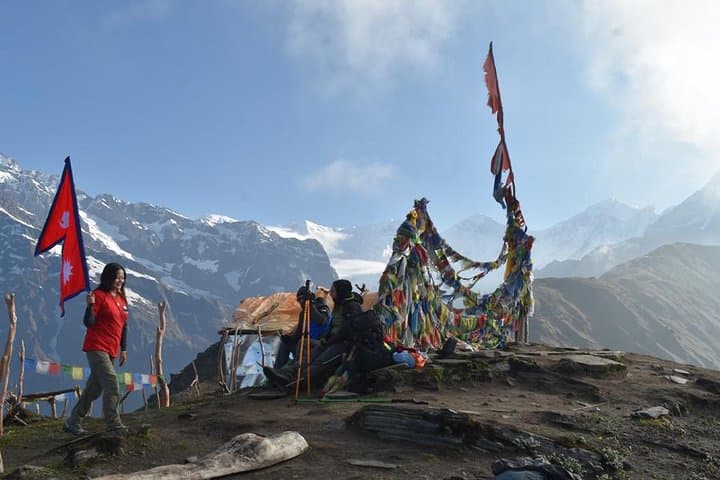
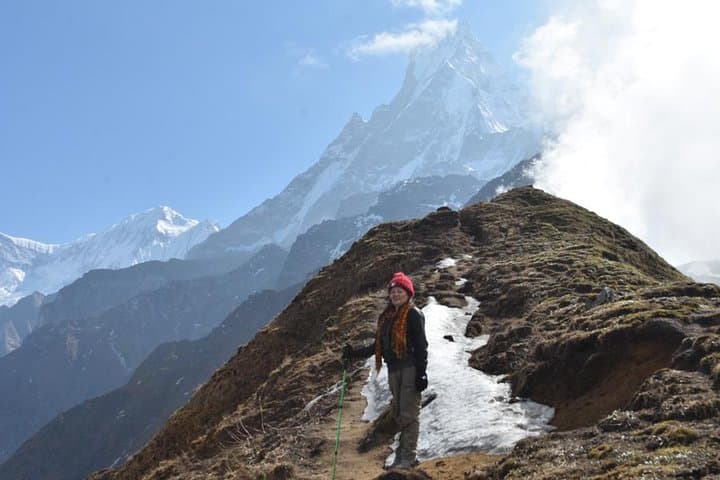
Morning light strips across the ridgelines above Pokhara as you step onto a trail that tightens from terraced fields into rhododendron forest. On the Mardi Himal Base Camp trek you move from lowland villages through dense oak and pine, up to narrow alpine ridges with direct views of Annapurna South and the sharply fluted face of Machhapuchhare (Fishtail).
Verified experiences and guided adventures in the surrounding area.
Operated by Nepal Kailash Trekking · Pokhara, Gandaki Province
Morning light strips across the ridgelines above Pokhara as you step onto a trail that tightens from terraced fields into rhododendron forest. On the Mardi Himal Base Camp trek you move from lowland villages through dense oak and pine, up to narrow alpine ridges with direct views of Annapurna South and the sharply fluted face of Machhapuchhare (Fishtail).
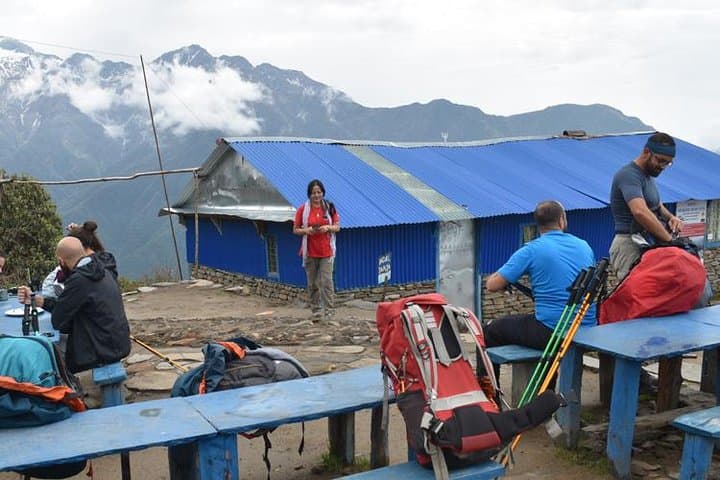
The route traces local mule tracks and teahouse stairs first used by muleteers and hill communities linking Pokhara to high pasturelands. Geologically the corridor sits on uplifted Himalayan crust—steep terraces, loose scree bands and exposed moraine near the higher camps reveal the mountain-building forces that created the Annapurna massif. Expect small Tamang and Gurung settlements; lodges run by families who balance traditional hospitality with trekking services.
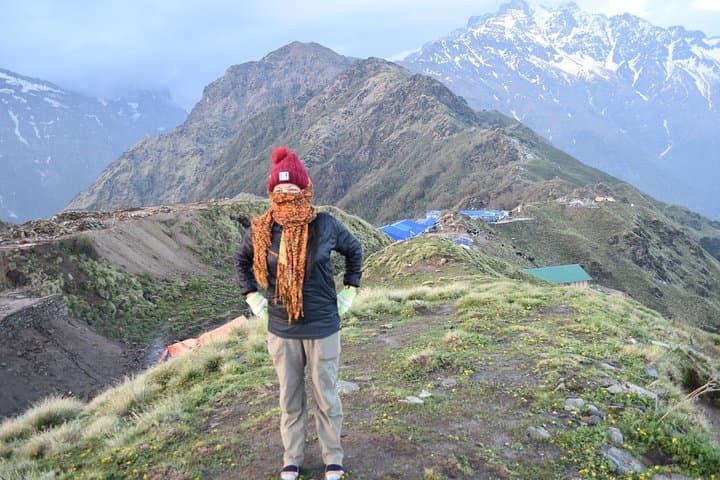
Practical guidance: typical itineraries run 5–7 days of walking with daily sections of 2–5 hours, the highest short excursion to Mardi Base Camp reaching about 4,244 m. Trails alternate packed earth, stone steps and muddy stretches after rain; good boots and steady acclimatization are essential. Mornings deliver the clearest mountain panorama—plan summit-views early and reserve afternoons for lower-elevation walks or rest. Hydrate continuously, layer for rapid temperature swings and carry cash for remote teahouses.
The experience is compact and high-value: a short, steep introduction to high Himalayan scenery without ABC crowds. It rewards modest preparation with big views, close cultural contact and a tangible sense of altitude gained day by day.
moderate.
5–7 days.
Suitable for hikers with regular aerobic exercise; comfortable carrying a daypack and walking 3–6 hours daily.
Yes — you need an Annapurna Conservation Area Permit (ACAP) and a TIMS card; guides usually help arrange these in Pokhara.
Spring (March–May) and autumn (September–November) offer the clearest weather and stable trails; monsoon brings heavy rain and winter can be very cold at high camps.
The route to Mardi Base Camp is steep and exposed in places but not technical; stamina and good footing are needed rather than climbing skills.
Basic teahouse lodges with shared rooms, hot meals and simple amenities; carry cash and a small towel, and be prepared for variable hot water availability.
The trail follows traditional trade and pastoral routes used by Gurung and Magar communities; modern trekking developed here in the late 20th century as Annapurna tourism grew.
The route passes through the Annapurna Conservation Area—stick to marked trails, avoid single-use plastics, and support local lodges to keep tourism benefits local.
Nepal Kailash Trekking operates guided outdoor trips and adventures with an emphasis on safety, stewardship, and memorable experiences.
Morning light strips across the ridgelines above Pokhara as you step onto a trail that tightens from terraced fields into rhododendron forest. On the Mardi Himal Base Camp trek you move from lowland villages through dense oak and pine, up to narrow alpine ridges with direct views of Annapurna South and the sharply fluted face of Machhapuchhare (Fishtail).
Morning light strips across the ridgelines above Pokhara as you step onto a trail that tightens from terraced fields into rhododendron forest. On the Mardi Himal Base Camp trek you move from lowland villages through dense oak and pine, up to narrow alpine ridges with direct views of Annapurna South and the sharply fluted face of Machhapuchhare (Fishtail).
The route traces local mule tracks and teahouse stairs first used by muleteers and hill communities linking Pokhara to high pasturelands. Geologically the corridor sits on uplifted Himalayan crust—steep terraces, loose scree bands and exposed moraine near the higher camps reveal the mountain-building forces that created the Annapurna massif. Expect small Tamang and Gurung settlements; lodges run by families who balance traditional hospitality with trekking services.
Practical guidance: typical itineraries run 5–7 days of walking with daily sections of 2–5 hours, the highest short excursion to Mardi Base Camp reaching about 4,244 m. Trails alternate packed earth, stone steps and muddy stretches after rain; good boots and steady acclimatization are essential. Mornings deliver the clearest mountain panorama—plan summit-views early and reserve afternoons for lower-elevation walks or rest. Hydrate continuously, layer for rapid temperature swings and carry cash for remote teahouses.
The experience is compact and high-value: a short, steep introduction to high Himalayan scenery without ABC crowds. It rewards modest preparation with big views, close cultural contact and a tangible sense of altitude gained day by day.