THE ADVENTURE COLLECTIVE® · Independent discovery and booking for outdoor travel

A compact 4-day trek from Pokhara that climbs through jungle, alpine meadows, and ridgelines to a 4,500 m viewpoint above Mardi Himal. Expect teahouse nights, dramatic Annapurna and Machapuchare views, and moderate-to-challenging altitude gains over short days.
A compact 4-day trek from Pokhara that climbs through jungle, alpine meadows, and ridgelines to a 4,500 m viewpoint above Mardi Himal. Expect teahouse nights, dramatic Annapurna and Machapuchare views, and moderate-to-challenging altitude gains over short days.
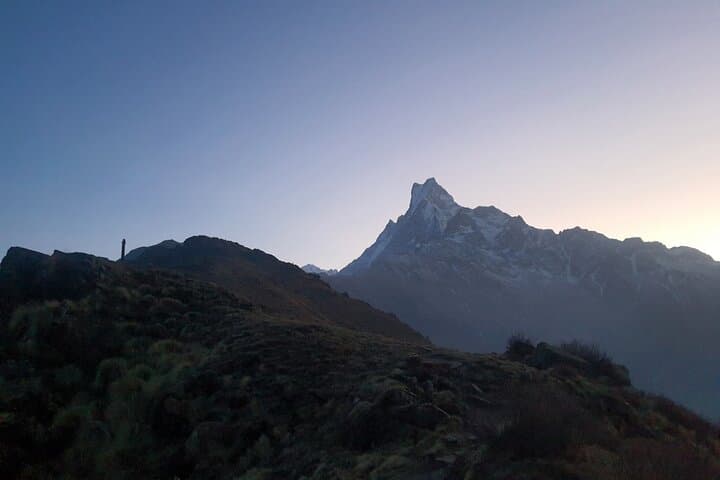
You leave Pokhara before dawn and the road quickly narrows, coffee-stained fields and the Seti River sliding past like an impatient guide. By midmorning the subtropical trees close overhead, sunlight filtering through rhododendron and oak as the trail climbs toward Forest Camp at 2,500 m. Each morning’s light reveals more of Machapuchare (Fishtail) and the Annapurna south face—peaks that dominate the skyline and seem to test your pace.
Verified experiences and guided adventures in the surrounding area.
Operated by My Dream Adventure (MDA) · Pokhara, Gandaki Province
You leave Pokhara before dawn and the road quickly narrows, coffee-stained fields and the Seti River sliding past like an impatient guide. By midmorning the subtropical trees close overhead, sunlight filtering through rhododendron and oak as the trail climbs toward Forest Camp at 2,500 m. Each morning’s light reveals more of Machapuchare (Fishtail) and the Annapurna south face—peaks that dominate the skyline and seem to test your pace.
The route threads historical Gurung and Magar villages where teahouses have hosted porters and pilgrims for generations; the trek is as much cultural exchange as alpine approach. Geologically, you move from river-cut valley floors into glacially carved ridgelines and high meadows—Mardi’s amphitheaters are young in mountain terms, and rockfalls shape the steeper pitches.
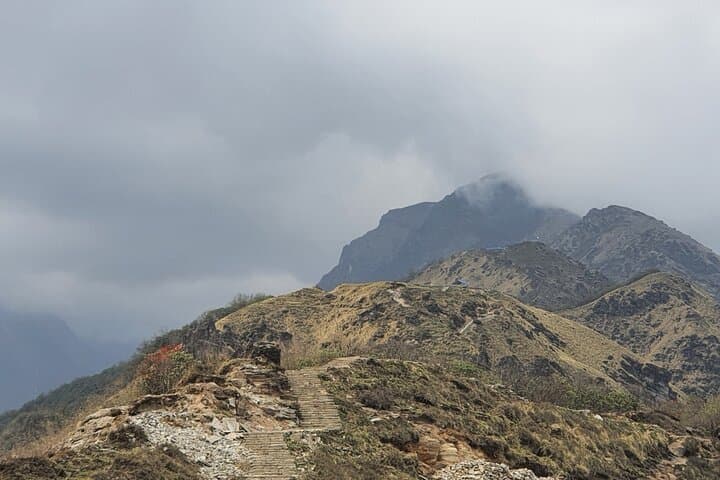
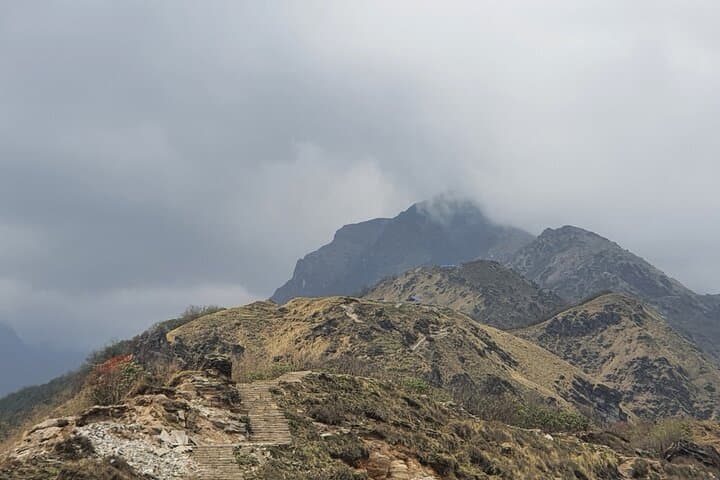
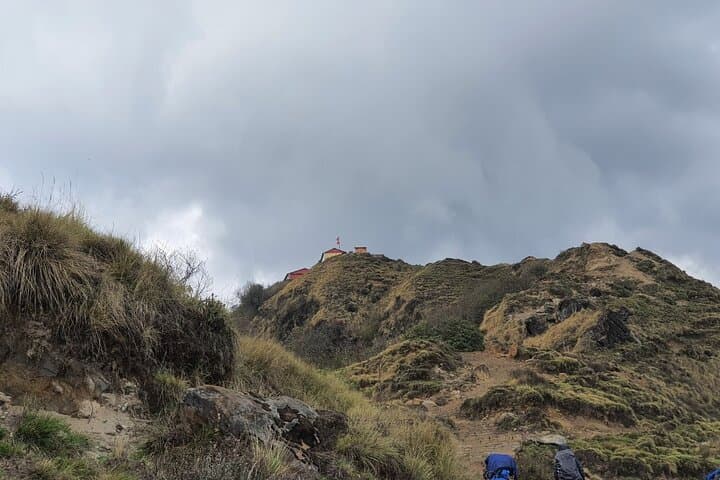
Expect varied terrain: narrow jungle paths, exposed ridgelines, and open alpine slopes above 3,000 m. Nights are in basic guesthouses; snow and wind can arrive early at High Camp. The trek requires attention to altitude—summits are not technical but the 4,500 m viewpoint demands respect for acclimatization and pacing. Guides handle permits and logistics; your permit and TIMS should be checked before departure.
Practical: hike light, carry layered insulation, and plan for 4 days of steady uphill followed by long descents. Hydrate often and use trekking poles to protect knees on steep drops. Aim for clear weather windows (spring and autumn are best) and budget extra time in Pokhara for a rest day if you feel off. The payoff is a near-private panorama of Machapuchare and the Annapurna range, earned on a compact, thoughtfully staged route.
challenging.
4 days (daily hiking 2–8 hours).
Good aerobic fitness with prior day-hiking experience; ability to carry a 6–10 kg daypack and trek on uneven, steep trails.
Yes—trekking requires a TIMS card and Annapurna Conservation Area entry permit; reputable operators usually arrange these before departure.
Spring (March–May) and autumn (Sept–Nov) offer the most stable weather and clear mountain views; monsoon brings green forests but heavier rain and winter may have snow at High Camp.
This itinerary uses local guesthouses/teahouses for nights; expect basic rooms with shared facilities—hot showers are sometimes extra and seasonal.
The viewpoint involves a steep pre-dawn push to ~4,500 m; it’s non-technical but physically demanding and can be affected by altitude and weather.
The trail passes through Gurung and Magar villages historically linked to trans-Himalayan trade and traditional mountain agriculture; the Annapurna Conservation Area established community-based tourism to protect landscapes.
This route lies within the Annapurna Conservation Area—carry-in carry-out waste practices are encouraged, permits fund local conservation, and minimizing single-use plastics helps fragile alpine zones.
My Dream Adventure (MDA) operates guided outdoor trips and adventures with an emphasis on safety, stewardship, and memorable experiences.
You leave Pokhara before dawn and the road quickly narrows, coffee-stained fields and the Seti River sliding past like an impatient guide. By midmorning the subtropical trees close overhead, sunlight filtering through rhododendron and oak as the trail climbs toward Forest Camp at 2,500 m. Each morning’s light reveals more of Machapuchare (Fishtail) and the Annapurna south face—peaks that dominate the skyline and seem to test your pace.
You leave Pokhara before dawn and the road quickly narrows, coffee-stained fields and the Seti River sliding past like an impatient guide. By midmorning the subtropical trees close overhead, sunlight filtering through rhododendron and oak as the trail climbs toward Forest Camp at 2,500 m. Each morning’s light reveals more of Machapuchare (Fishtail) and the Annapurna south face—peaks that dominate the skyline and seem to test your pace.
The route threads historical Gurung and Magar villages where teahouses have hosted porters and pilgrims for generations; the trek is as much cultural exchange as alpine approach. Geologically, you move from river-cut valley floors into glacially carved ridgelines and high meadows—Mardi’s amphitheaters are young in mountain terms, and rockfalls shape the steeper pitches.
Expect varied terrain: narrow jungle paths, exposed ridgelines, and open alpine slopes above 3,000 m. Nights are in basic guesthouses; snow and wind can arrive early at High Camp. The trek requires attention to altitude—summits are not technical but the 4,500 m viewpoint demands respect for acclimatization and pacing. Guides handle permits and logistics; your permit and TIMS should be checked before departure.
Practical: hike light, carry layered insulation, and plan for 4 days of steady uphill followed by long descents. Hydrate often and use trekking poles to protect knees on steep drops. Aim for clear weather windows (spring and autumn are best) and budget extra time in Pokhara for a rest day if you feel off. The payoff is a near-private panorama of Machapuchare and the Annapurna range, earned on a compact, thoughtfully staged route.