THE ADVENTURE COLLECTIVE® · Independent discovery and booking for outdoor travel

A compact 4-day trek from Pokhara up to Mardi Himal Base Camp (4,500 m) that delivers close mountain views, rural Gurung villages, and varied alpine terrain—ideal for fit hikers seeking a short high-altitude push.
A compact 4-day trek from Pokhara up to Mardi Himal Base Camp (4,500 m) that delivers close mountain views, rural Gurung villages, and varied alpine terrain—ideal for fit hikers seeking a short high-altitude push.
The trail wakes you before dawn: thin light across terraced fields, a cold wind that seems to be testing your resolve as you climb toward High Camp.
Verified experiences and guided adventures in the surrounding area.
Operated by Couch Adventure Nepal (CAN) · Pokhara, Gandaki Province
The trail wakes you before dawn: thin light across terraced fields, a cold wind that seems to be testing your resolve as you climb toward High Camp.
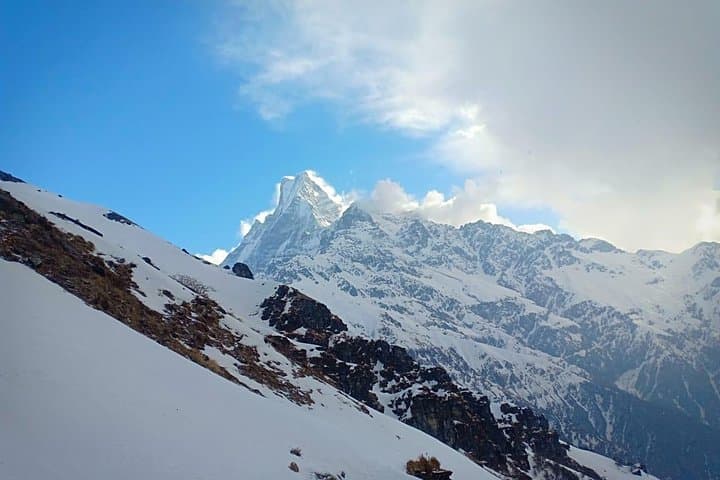
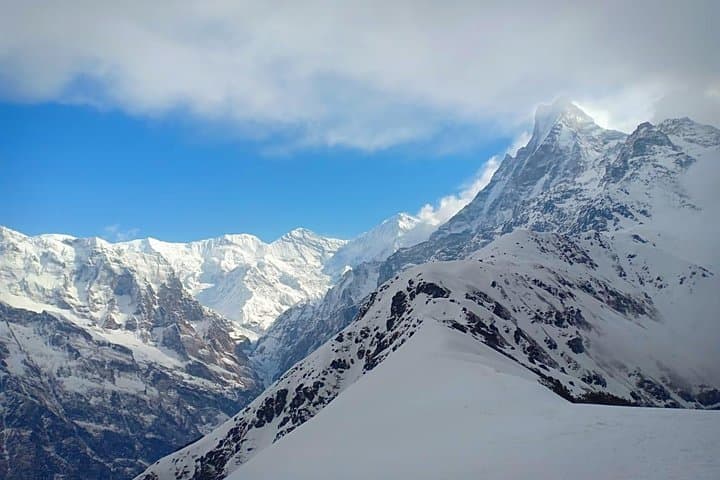
On this four-day route you move from Pokhara’s lakeside bustle into a quieter, rural Annapurna landscape—forest steps through bamboo and rhododendron, then the exposed scree and prayer-flag rattles of the high ridgeline. At 4,500 meters the Base Camp opens 360-degree views of Annapurna South, Machapuchare (Fishtail) and associated ridges; the mountains feel deliberate, their faces watching you as you approach.
The area sits inside the Annapurna region historically inhabited by Gurung communities; trails are old cattle and porter routes that have evolved into organized treks. Geologically the route traverses uplifted Himalayan thrusts—soft, layered rock that creates steep gullies and grassy ledges—so footing changes frequently. Local teahouses and lodges give a window into rural life: simple meals, shared fires, and hospitality shaped by mountain seasons.
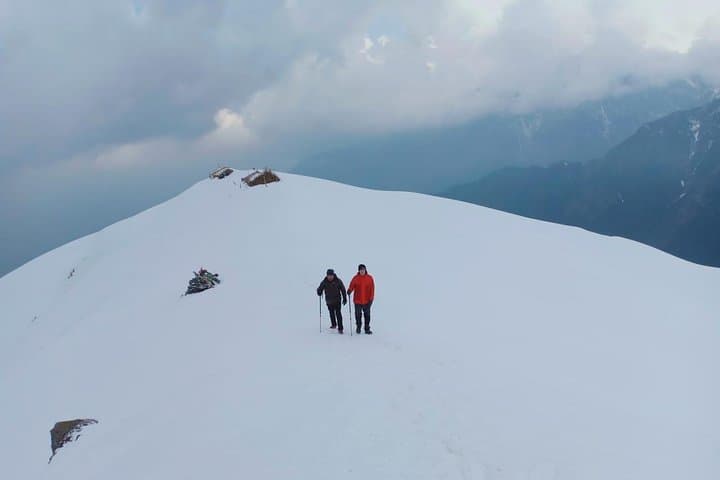
Practically, this itinerary requires steady uphill hiking (several hours daily), basic altitude awareness and a willingness to carry a daypack while guides handle logistics. Expect mixed terrain—packed dirt, clay switchbacks, short scree sections—and early starts to reach viewpoints in calm air. Bring layers for sudden wind and sun, plan for slow ascent to reduce altitude strain, and give yourself time in Pokhara before or after for rest. Water purification, sturdy boots, and a down jacket are not luxuries here: they are what let you move confidently through the mountain’s moods and return to town with the peaks still lingering in your memory.
challenging.
4 days.
Good aerobic fitness and prior multi-day hiking experience recommended; able to hike 5–7 hours per day with sustained climbs.
Yes—Trekking Permit and TIMS (Trekkers' Information Management System) are required; this trip indicates permits are arranged by the operator.
4,500 m is high enough to cause AMS; follow gradual ascent, stay hydrated, and monitor symptoms—descend if you experience persistent headache, nausea, or dizziness.
Basic teahouse lodges with shared dorms or twin rooms, simple meals and cold showers at higher camps; bring a warm sleeping liner for extra comfort.
Autumn (Sept–Nov) and spring (Mar–May) offer the most stable weather and clear mountain views, though winter is possible for experienced trekkers with proper gear.
Trails around Mardi Himal follow traditional Gurung footpaths and porter routes that linked high pastures and villages long before trekking became a commercial enterprise.
The trek traverses the Annapurna region where the Annapurna Conservation Area Project (ACAP) encourages permit-based access, waste management in lodges, and limited-impact tourism to protect fragile alpine ecosystems.
Couch Adventure Nepal (CAN) operates guided outdoor trips and adventures with an emphasis on safety, stewardship, and memorable experiences.
The trail wakes you before dawn: thin light across terraced fields, a cold wind that seems to be testing your resolve as you climb toward High Camp.
The trail wakes you before dawn: thin light across terraced fields, a cold wind that seems to be testing your resolve as you climb toward High Camp.
On this four-day route you move from Pokhara’s lakeside bustle into a quieter, rural Annapurna landscape—forest steps through bamboo and rhododendron, then the exposed scree and prayer-flag rattles of the high ridgeline. At 4,500 meters the Base Camp opens 360-degree views of Annapurna South, Machapuchare (Fishtail) and associated ridges; the mountains feel deliberate, their faces watching you as you approach.
The area sits inside the Annapurna region historically inhabited by Gurung communities; trails are old cattle and porter routes that have evolved into organized treks. Geologically the route traverses uplifted Himalayan thrusts—soft, layered rock that creates steep gullies and grassy ledges—so footing changes frequently. Local teahouses and lodges give a window into rural life: simple meals, shared fires, and hospitality shaped by mountain seasons.
Practically, this itinerary requires steady uphill hiking (several hours daily), basic altitude awareness and a willingness to carry a daypack while guides handle logistics. Expect mixed terrain—packed dirt, clay switchbacks, short scree sections—and early starts to reach viewpoints in calm air. Bring layers for sudden wind and sun, plan for slow ascent to reduce altitude strain, and give yourself time in Pokhara before or after for rest. Water purification, sturdy boots, and a down jacket are not luxuries here: they are what let you move confidently through the mountain’s moods and return to town with the peaks still lingering in your memory.