THE ADVENTURE COLLECTIVE® · Independent discovery and booking for outdoor travel

A brisk, one-hour photo walk across Tigertail Beach and its estuary, this guided experience packs five high-value stops into a compact, practical session—ideal for travelers who want striking coastal images and quick, hands-on instruction.
A brisk, one-hour photo walk across Tigertail Beach and its estuary, this guided experience packs five high-value stops into a compact, practical session—ideal for travelers who want striking coastal images and quick, hands-on instruction.
The boardwalk hums underfoot as salt-slick light pours through the slats and fish scatter in the shallow flats—this is where the Marco Island Photography Experience begins. In an hour you move like a careful current through five distinct frames: the glassy boardwalk, a living estuary, knotted mangroves, a path of tall Florida grass, and a final arrival at the broad Gulf beach. The guide stops at each location, sets the lens on local subjects, and threads short lessons on light and composition between the breeze and the birds.
Verified experiences and guided adventures in the surrounding area.
Operated by Cara's Royal Photography · Marco Island, Florida
The boardwalk hums underfoot as salt-slick light pours through the slats and fish scatter in the shallow flats—this is where the Marco Island Photography Experience begins. In an hour you move like a careful current through five distinct frames: the glassy boardwalk, a living estuary, knotted mangroves, a path of tall Florida grass, and a final arrival at the broad Gulf beach. The guide stops at each location, sets the lens on local subjects, and threads short lessons on light and composition between the breeze and the birds.
Marco Island sits on a young, low-lying limestone shelf formed from Pleistocene sea changes; the beaches and tidal inlets are recent work of shifting sand and southern currents. Tigertail Beach itself was once more marsh than shore—engineered dunes and human stewardship have shaped the access paths visitors use today. Cultural traces here reflect a coastal Florida life: seasonal fishing camps, early Calusa trade routes, and modern island living that balances tourism with scarce, fragile habitat. The estuary you’ll photograph is a last stopover for migratory shorebirds and a nursery for snook and mangrove snapper, making it a photogenic classroom of ecology.
The tour’s pace is practical: expect five focused stops across roughly one mile of walking spread over an hour. That makes this a fast, composition-driven experience rather than a relaxed all-day shoot. You'll get a curated set of tips—how to use foreground reeds to anchor a sunset shot, when to dial down shutter speed to silk the surf, and how to expose for backlit birds against a bright sky. The guide provides 20 edited digital photos, a print release, and an online gallery hosted for a year—handy if you want to skip post-processing but still walk away with professional-ready images.
Practicalities matter: meet anywhere on Marco Island, arrive 10 minutes early to check gear, and expect groups up to 15 people. The walk is stroller-accessible and pet-friendly for service animals, but it's not recommended for those with serious spinal or cardiac conditions. Bring a polarizing filter to reduce glare in the flats and a lens in the 24–105mm range to cover wide seaside scenes and close bird portraits. For golden-hour work a compact tripod and a neutral-density filter are useful but optional—this tour prioritizes mobility.
Timing your visit around sunrise or late afternoon brings warmer color and more active wildlife; midday still offers clean, graphic compositions on the white sand. The guide’s local insights make this hour efficient: you’re not just photographing a place, you’re being taught how each stop behaves in changing light so your next solo shoot on the island is faster and better. In short: come with charged batteries, a curious eye, and shoes that can handle sand—Marco’s shorelines will do the rest.
easy.
1 hour.
Suitable for most fitness levels; involves about one mile of easy walking on boardwalks and sand
The tour lasts one hour and covers roughly one mile across boardwalks, dune paths, and beach access points with five short photo stops.
Not required, but a compact tripod or monopod is helpful for low-light golden-hour shots and longer exposures of surf.
Yes—paths are stroller-accessible and families are welcome; however, the pace is brisk and groups can include up to 15 people.
Participants get 20 edited digital photos of their choice, a print release, and access to an online gallery hosted for one year.
Service animals are allowed; other pets should be checked with the operator in advance as local rules and wildlife sensitivity vary.
Wear lightweight, sand-friendly shoes, sun protection, insect repellent, charged camera batteries, and a small water bottle—shade is limited.
Marco Island sits on a limestone shelf shaped by sea-level changes in the Pleistocene; the island’s modern shoreline has been altered by dune restoration and access improvements over the past century.
The estuary and mangrove areas are sensitive migratory bird habitat—stick to designated paths, pack out trash, and avoid disturbing nesting birds to minimize impact.
Cara's Royal Photography operates guided outdoor trips and adventures with an emphasis on safety, stewardship, and memorable experiences.
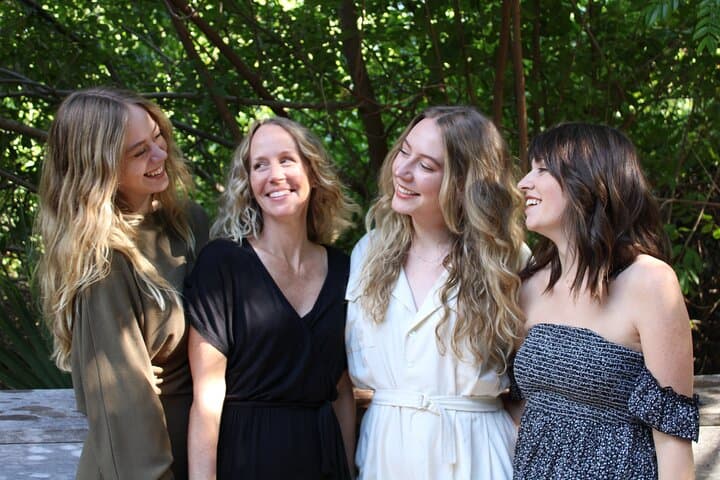
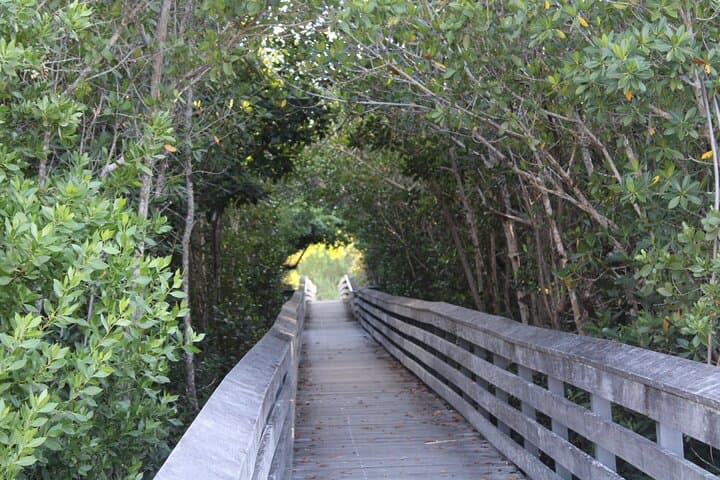
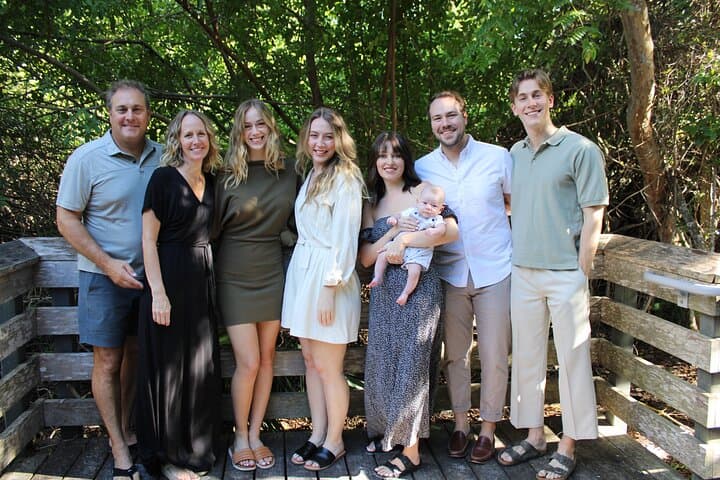
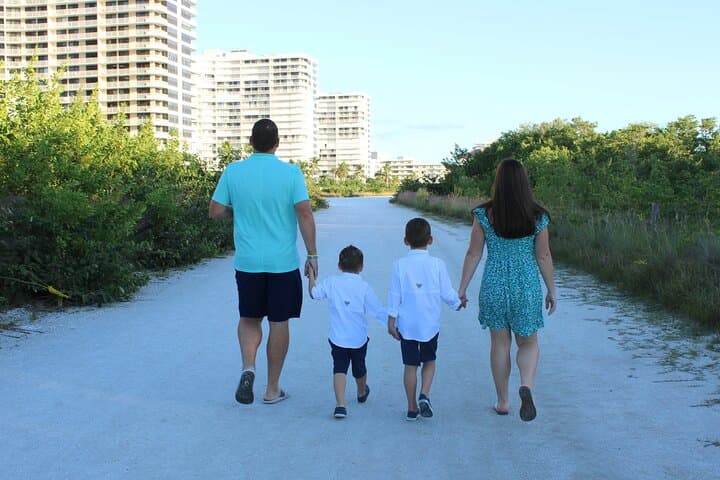
The boardwalk hums underfoot as salt-slick light pours through the slats and fish scatter in the shallow flats—this is where the Marco Island Photography Experience begins. In an hour you move like a careful current through five distinct frames: the glassy boardwalk, a living estuary, knotted mangroves, a path of tall Florida grass, and a final arrival at the broad Gulf beach. The guide stops at each location, sets the lens on local subjects, and threads short lessons on light and composition between the breeze and the birds.
The boardwalk hums underfoot as salt-slick light pours through the slats and fish scatter in the shallow flats—this is where the Marco Island Photography Experience begins. In an hour you move like a careful current through five distinct frames: the glassy boardwalk, a living estuary, knotted mangroves, a path of tall Florida grass, and a final arrival at the broad Gulf beach. The guide stops at each location, sets the lens on local subjects, and threads short lessons on light and composition between the breeze and the birds.
Marco Island sits on a young, low-lying limestone shelf formed from Pleistocene sea changes; the beaches and tidal inlets are recent work of shifting sand and southern currents. Tigertail Beach itself was once more marsh than shore—engineered dunes and human stewardship have shaped the access paths visitors use today. Cultural traces here reflect a coastal Florida life: seasonal fishing camps, early Calusa trade routes, and modern island living that balances tourism with scarce, fragile habitat. The estuary you’ll photograph is a last stopover for migratory shorebirds and a nursery for snook and mangrove snapper, making it a photogenic classroom of ecology.
The tour’s pace is practical: expect five focused stops across roughly one mile of walking spread over an hour. That makes this a fast, composition-driven experience rather than a relaxed all-day shoot. You'll get a curated set of tips—how to use foreground reeds to anchor a sunset shot, when to dial down shutter speed to silk the surf, and how to expose for backlit birds against a bright sky. The guide provides 20 edited digital photos, a print release, and an online gallery hosted for a year—handy if you want to skip post-processing but still walk away with professional-ready images.
Practicalities matter: meet anywhere on Marco Island, arrive 10 minutes early to check gear, and expect groups up to 15 people. The walk is stroller-accessible and pet-friendly for service animals, but it's not recommended for those with serious spinal or cardiac conditions. Bring a polarizing filter to reduce glare in the flats and a lens in the 24–105mm range to cover wide seaside scenes and close bird portraits. For golden-hour work a compact tripod and a neutral-density filter are useful but optional—this tour prioritizes mobility.
Timing your visit around sunrise or late afternoon brings warmer color and more active wildlife; midday still offers clean, graphic compositions on the white sand. The guide’s local insights make this hour efficient: you’re not just photographing a place, you’re being taught how each stop behaves in changing light so your next solo shoot on the island is faster and better. In short: come with charged batteries, a curious eye, and shoes that can handle sand—Marco’s shorelines will do the rest.