THE ADVENTURE COLLECTIVE® · Independent discovery and booking for outdoor travel

Glide through mangrove cuts, watch dolphins play in the bow wake, and pass waterfront estates on this intimate two-hour boat tour of Marco Island and the 10,000 Islands Wildlife Refuge. Small groups, local guides, and a front-row view of subtropical estuary life.
Glide through mangrove cuts, watch dolphins play in the bow wake, and pass waterfront estates on this intimate two-hour boat tour of Marco Island and the 10,000 Islands Wildlife Refuge. Small groups, local guides, and a front-row view of subtropical estuary life.
The morning sun lifts off the Gulf and throws light across a maze of mangroves; your captain eases the bow through a narrow tidal cut and the world shrinks to salt-slick roots and the soft chitter of shorebirds. On this two-hour run around Marco Island and into the 10,000 Islands Wildlife Refuge, the water leads the way—curving, pushing, daring you to look farther than the next channel.
Verified experiences and guided adventures in the surrounding area.
Operated by Island Excursions · Marco Island, Florida
The morning sun lifts off the Gulf and throws light across a maze of mangroves; your captain eases the bow through a narrow tidal cut and the world shrinks to salt-slick roots and the soft chitter of shorebirds. On this two-hour run around Marco Island and into the 10,000 Islands Wildlife Refuge, the water leads the way—curving, pushing, daring you to look farther than the next channel.
Geology here is plain to see: low-lying carbonate islands and oyster bars laid atop a shallow continental shelf, shaped by tides and storms. The mangrove thickets are not just scenery but living architecture—prop roots grading shorelines, trapping sediment and creating nursery habitat for fish. Culturally, these same inlets held the Calusa people for centuries; shell middens and canoe routes record a human relationship with the sea that long predates waterfront estates and marinas.
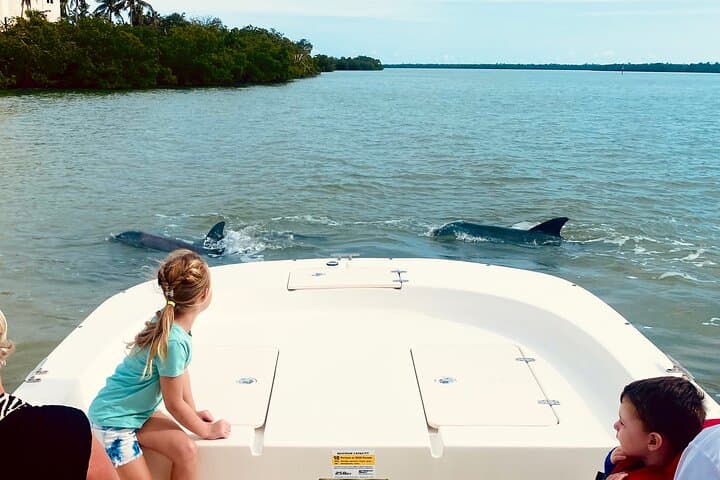
The tour stitches together three textures of the area: the intimate mangrove labyrinth of the Refuge, the open Gulf where dolphins arc and play, and the lined boulevards of multimillion-dollar waterfront homes that hint at modern Florida’s coastal appetite. Marine life takes center stage—bottlenose dolphins commonly ride the bow wave, while pelicans and roseate spoonbills quarter the shallows. If the captain finds a pod, they’ll slow; the moment is quiet and efficient, designed for observation without disturbance.
Practicalities are straightforward. The operator runs small-group tours—max six passengers—so you get a front-row seat without the crush. Departure is from a lot next to a small bar-restaurant on Marco Island; aim to arrive 15 minutes early to board and get oriented. The trip includes bottled water. Weather can flip fast in South Florida; the company cancels for unsafe conditions, and their refund policy allows full refunds with at least 24 hours’ notice.
What to bring: sunscreen, a hat, and binoculars. Seas can be calm in the sheltered Refuge but rougher in open water—if you’re prone to motion sickness, ginger or a patch is wise. Photography fares best in low-angle morning or late-afternoon light; a fast shutter helps freeze playful dolphins. Note that infants must sit on laps, strollers are allowed, and service animals are welcomed.
This tour is curated for easy access to the sights and wildlife of a fragile subtropical estuary. The rhythm is unhurried: a sweep through history and habitat punctuated by salt spray and sudden dolphin displays. For travelers based in nearby Naples or staying on Marco Island, it’s an efficient way to read the coastline—its natural edges, its human face, and the wildlife that moves between both.
easy.
2 hours.
Minimal fitness required; stable footing for short periods on deck and ability to step up/down into the boat.
Meet at the operator’s lot next to the small bar-restaurant on Marco Island—plan to arrive 15 minutes early for check-in.
Yes; infants must sit on an adult’s lap. Strollers are accessible for boarding areas, but space on the boat is limited.
While dolphins are frequently sighted, wildlife is never 100% guaranteed; tours prioritize responsible viewing and natural behavior.
Full refunds are available if you cancel at least 24 hours before departure; the operator also cancels tours for unsafe weather.
Open-water sections can be choppy—if you’re prone to motion sickness, take prevention before boarding and sit in the middle of the boat.
Boarding areas are stroller-accessible and the start point accommodates strollers; however boarding the boat may require steps—contact the operator ahead for assistance.
The 10,000 Islands area was long used by the Calusa people; shells and canals from their settlements mark the coastline’s human history.
The Refuge is federally protected and relies on low-impact tourism; stick to viewing guidelines to avoid stressing wildlife and avoid discharging anything into the water.
Island Excursions operates guided outdoor trips and adventures with an emphasis on safety, stewardship, and memorable experiences.
The morning sun lifts off the Gulf and throws light across a maze of mangroves; your captain eases the bow through a narrow tidal cut and the world shrinks to salt-slick roots and the soft chitter of shorebirds. On this two-hour run around Marco Island and into the 10,000 Islands Wildlife Refuge, the water leads the way—curving, pushing, daring you to look farther than the next channel.
The morning sun lifts off the Gulf and throws light across a maze of mangroves; your captain eases the bow through a narrow tidal cut and the world shrinks to salt-slick roots and the soft chitter of shorebirds. On this two-hour run around Marco Island and into the 10,000 Islands Wildlife Refuge, the water leads the way—curving, pushing, daring you to look farther than the next channel.
Geology here is plain to see: low-lying carbonate islands and oyster bars laid atop a shallow continental shelf, shaped by tides and storms. The mangrove thickets are not just scenery but living architecture—prop roots grading shorelines, trapping sediment and creating nursery habitat for fish. Culturally, these same inlets held the Calusa people for centuries; shell middens and canoe routes record a human relationship with the sea that long predates waterfront estates and marinas.
The tour stitches together three textures of the area: the intimate mangrove labyrinth of the Refuge, the open Gulf where dolphins arc and play, and the lined boulevards of multimillion-dollar waterfront homes that hint at modern Florida’s coastal appetite. Marine life takes center stage—bottlenose dolphins commonly ride the bow wave, while pelicans and roseate spoonbills quarter the shallows. If the captain finds a pod, they’ll slow; the moment is quiet and efficient, designed for observation without disturbance.
Practicalities are straightforward. The operator runs small-group tours—max six passengers—so you get a front-row seat without the crush. Departure is from a lot next to a small bar-restaurant on Marco Island; aim to arrive 15 minutes early to board and get oriented. The trip includes bottled water. Weather can flip fast in South Florida; the company cancels for unsafe conditions, and their refund policy allows full refunds with at least 24 hours’ notice.
What to bring: sunscreen, a hat, and binoculars. Seas can be calm in the sheltered Refuge but rougher in open water—if you’re prone to motion sickness, ginger or a patch is wise. Photography fares best in low-angle morning or late-afternoon light; a fast shutter helps freeze playful dolphins. Note that infants must sit on laps, strollers are allowed, and service animals are welcomed.
This tour is curated for easy access to the sights and wildlife of a fragile subtropical estuary. The rhythm is unhurried: a sweep through history and habitat punctuated by salt spray and sudden dolphin displays. For travelers based in nearby Naples or staying on Marco Island, it’s an efficient way to read the coastline—its natural edges, its human face, and the wildlife that moves between both.