THE ADVENTURE COLLECTIVE® · Independent discovery and booking for outdoor travel

A day trip from Lima takes you up to Marcahuasi’s 4,000 m plateau where enormous rock sculptures loom over wind-swept grassland. This guide covers what to expect—altitude, terrain, timing—and how to prepare for a safe, memorable visit.
A day trip from Lima takes you up to Marcahuasi’s 4,000 m plateau where enormous rock sculptures loom over wind-swept grassland. This guide covers what to expect—altitude, terrain, timing—and how to prepare for a safe, memorable visit.
A cold wind meets the van as it climbs from the rim of the Rímac valley and the city shrinks behind you. Within an hour the asphalt gives way to dirt, then to a narrow mountain road that angles up through terraces and scrub. By the time the plateau opens, the air is thin and the stone forms stand like an open-air gallery—faces, animals and abstract shapes carved by millennia of wind and freeze.
Verified experiences and guided adventures in the surrounding area.
Operated by Go Touch Peru experiences · San Pedro de Casta, Lima
A cold wind meets the van as it climbs from the rim of the Rímac valley and the city shrinks behind you. Within an hour the asphalt gives way to dirt, then to a narrow mountain road that angles up through terraces and scrub. By the time the plateau opens, the air is thin and the stone forms stand like an open-air gallery—faces, animals and abstract shapes carved by millennia of wind and freeze.
Marcahuasi sits above 4,000 m (around 12,000 ft), a rugged mesa on the eastern flank of Lima’s sierra. Geologically the site is a granitic outcrop shaped by exfoliation and frost; culturally it attracts myths that connect the massif to pre-Columbian groups such as the Masmas and to local storytelling. The plateau’s sparse grassland and low shrubs reflect puna ecology; native people historically used nearby valleys for seasonal crops and herding.
Expect roughly 3–6 km of walking across rocky trails on the plateau with short steep pitches and an overall ascent from the road of approximately 500–900 m, depending on your pickup point. Hikes are exposed—sun, wind and rapid temperature swings are the norm—so pacing, hydration and a slow-first-hour acclimatization are practical priorities.
Practical guidance: start early to avoid afternoon winds and possible storms in the wet season, carry layered clothing for high-altitude cold, and keep to established trails to protect fragile vegetation. Photography, quiet exploration and short loop walks around major rock clusters are the most rewarding use of a single-day visit.
moderate.
10–12 hours.
Good aerobic fitness and comfort with high-altitude walking; expect uneven rocky terrain and short steep sections.
The walking on the plateau is moderate—rocky, uneven ground with short steep pitches; overall the day is long because of driving time and high altitude, so plan for a 10–12 hour outing.
Yes—Marcahuasi sits near 4,000 m. Move slowly, hydrate, avoid alcohol beforehand and descend if you develop severe headache, nausea or dizziness.
There is typically a modest local entrance fee collected at the plateau; organized tours often include this in the price—confirm with your operator.
Overnight camping is possible in designated spots and popular for sunrise photography, but check with local guides for permissions, safety and weather considerations.
Local stories link Marcahuasi to ancestral highland cultures such as the Masmas and to centuries of Andean pastoral life; archaeological evidence in nearby valleys shows long-term seasonal use.
The puna grassland is fragile and slow to recover—stay on trails, pack out waste and avoid removing stones or disturbing habitats.
Go Touch Peru experiences operates guided outdoor trips and adventures with an emphasis on safety, stewardship, and memorable experiences.
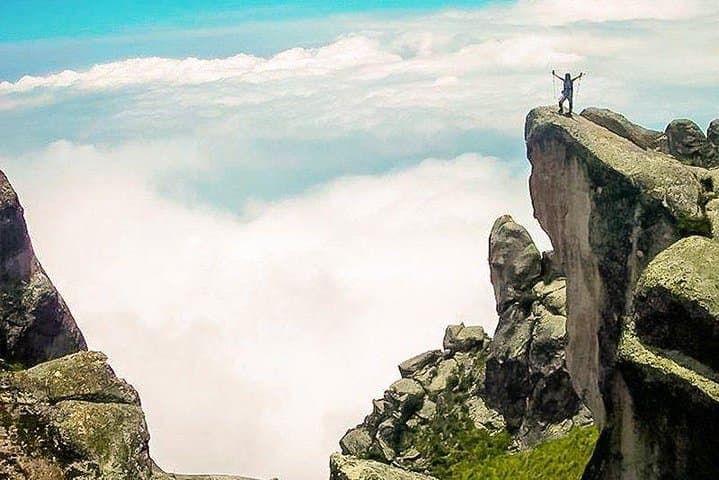
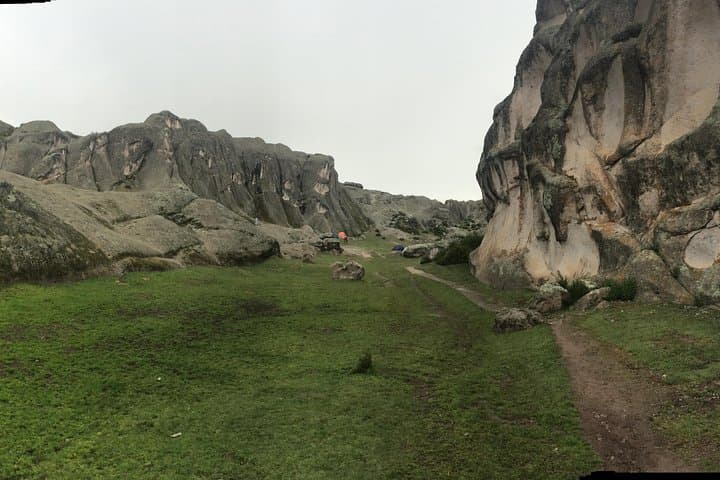
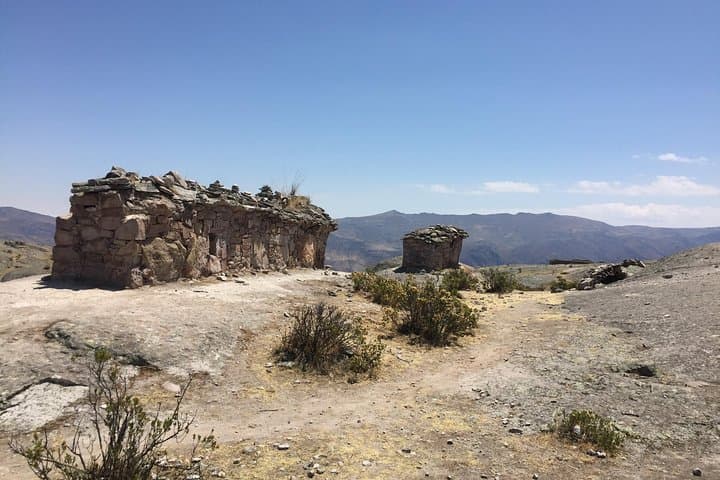
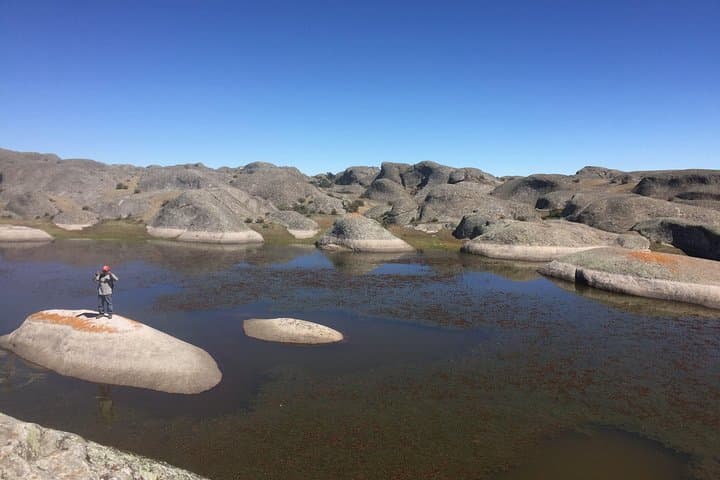
A cold wind meets the van as it climbs from the rim of the Rímac valley and the city shrinks behind you. Within an hour the asphalt gives way to dirt, then to a narrow mountain road that angles up through terraces and scrub. By the time the plateau opens, the air is thin and the stone forms stand like an open-air gallery—faces, animals and abstract shapes carved by millennia of wind and freeze.
A cold wind meets the van as it climbs from the rim of the Rímac valley and the city shrinks behind you. Within an hour the asphalt gives way to dirt, then to a narrow mountain road that angles up through terraces and scrub. By the time the plateau opens, the air is thin and the stone forms stand like an open-air gallery—faces, animals and abstract shapes carved by millennia of wind and freeze.
Marcahuasi sits above 4,000 m (around 12,000 ft), a rugged mesa on the eastern flank of Lima’s sierra. Geologically the site is a granitic outcrop shaped by exfoliation and frost; culturally it attracts myths that connect the massif to pre-Columbian groups such as the Masmas and to local storytelling. The plateau’s sparse grassland and low shrubs reflect puna ecology; native people historically used nearby valleys for seasonal crops and herding.
Expect roughly 3–6 km of walking across rocky trails on the plateau with short steep pitches and an overall ascent from the road of approximately 500–900 m, depending on your pickup point. Hikes are exposed—sun, wind and rapid temperature swings are the norm—so pacing, hydration and a slow-first-hour acclimatization are practical priorities.
Practical guidance: start early to avoid afternoon winds and possible storms in the wet season, carry layered clothing for high-altitude cold, and keep to established trails to protect fragile vegetation. Photography, quiet exploration and short loop walks around major rock clusters are the most rewarding use of a single-day visit.