THE ADVENTURE COLLECTIVE® · Independent discovery and booking for outdoor travel

A highland day-hike to Marcahuasi delivers otherworldly granite sculptures, panoramic Andean views and sharp, dry air at 4,000 m. This full-day excursion pairs scenic driving through the Rímac valley with a 2–3 hour rocky plateau walk—expect wind, altitude and unforgettable vistas.
A highland day-hike to Marcahuasi delivers otherworldly granite sculptures, panoramic Andean views and sharp, dry air at 4,000 m. This full-day excursion pairs scenic driving through the Rímac valley with a 2–3 hour rocky plateau walk—expect wind, altitude and unforgettable vistas.
You step out of the van into thin air and a wind that seems to rearrange your thoughts. The plateau opens like a raw stage—giant granite figures rise from a flat, highland floor, casting hard-edged shadows that change with every breath of wind. At roughly 4,000 m, the sky is a deep, cold blue and each rock face feels like a character in an ancient story.
Verified experiences and guided adventures in the surrounding area.
Operated by Go Touch Peru experiences · San Pedro de Casta, Lima
You step out of the van into thin air and a wind that seems to rearrange your thoughts. The plateau opens like a raw stage—giant granite figures rise from a flat, highland floor, casting hard-edged shadows that change with every breath of wind. At roughly 4,000 m, the sky is a deep, cold blue and each rock face feels like a character in an ancient story.
Marcahuasi’s landscape is geological theater: exfoliated granite carved by freeze-thaw and wind into towers, faces and animal shapes that cultures have read as omens for centuries. The plateau sits above the Rímac valley and is reached via a scenic drive through Chosica, Santa Eulalia and San Pedro de Casta—towns that hold the rhythms of highland agriculture and local traditions.
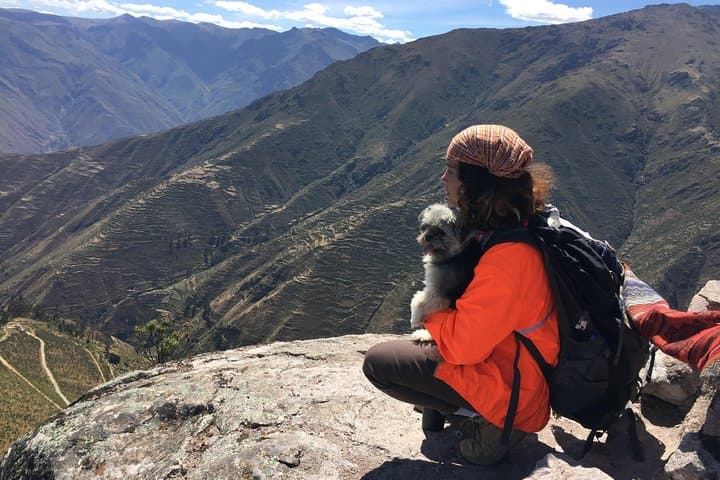
Culturally, the area is part of the Huarochirí highlands, where pre-Hispanic rites and modern peasant life coexist; you’ll pass terraces, irrigation channels and small chapels en route. The geology is simple and visible: granite outcrops, scree slopes and compact puna grass that crowns the plateau.
Practical guidance: expect a long day—10–12 hours door-to-door—with a 2–3 hour hike across uneven, rocky ground and short elevation gains interspersed with steep steps. Bring layered clothing for sudden wind and sun, at least 2–3 liters of water, and sturdy ankle-supporting boots for talus and sandstone ridgelines. Start early to avoid afternoon winds and to make the most of the light for photos.
Altitude is the real variable—move slowly, monitor for symptoms, and keep snacks and electrolytes handy. When you rest, listen: the wind will speak and the stones will hold their silence.
challenging.
10–12 hours.
Good cardiovascular fitness and experience with sustained uphill walking at altitude are recommended; previous day hikes at 2,500–3,000 m helpful.
The on-plateau walk is typically 2–3 hours of moderate hiking across uneven terrain; the full excursion from Lima is a 10–12 hour day.
Yes — Marcahuasi sits around 4,000 m; some exposure or gradual ascent beforehand reduces risk of altitude sickness.
No — bring snacks and water; basic facilities may be available in San Pedro de Casta but not on the plateau itself.
Children can do the trip if supervised and acclimatized, but the high altitude and rocky footing mean adults must judge fitness and comfort carefully.
Marcahuasi has been part of Andean rural life for centuries; local lore and early 20th-century visitors amplified its reputation for strange rock figures.
The plateau is fragile puna and granite habitat—stick to established paths, pack out waste and avoid climbing fragile formations to limit erosion and cultural impact.
Go Touch Peru experiences operates guided outdoor trips and adventures with an emphasis on safety, stewardship, and memorable experiences.

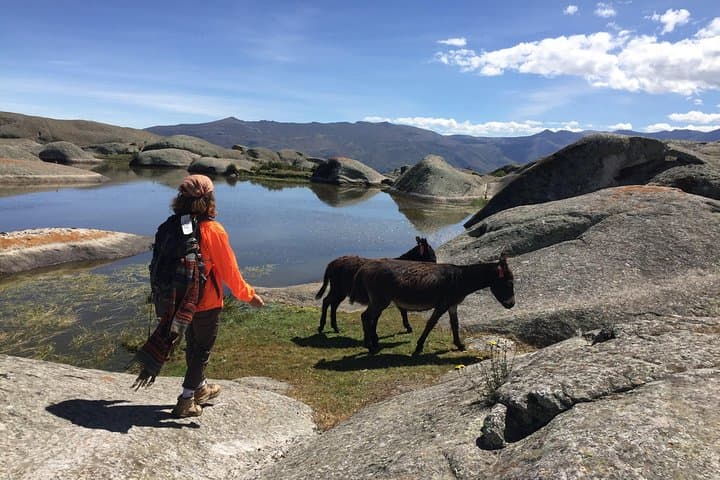

You step out of the van into thin air and a wind that seems to rearrange your thoughts. The plateau opens like a raw stage—giant granite figures rise from a flat, highland floor, casting hard-edged shadows that change with every breath of wind. At roughly 4,000 m, the sky is a deep, cold blue and each rock face feels like a character in an ancient story.
You step out of the van into thin air and a wind that seems to rearrange your thoughts. The plateau opens like a raw stage—giant granite figures rise from a flat, highland floor, casting hard-edged shadows that change with every breath of wind. At roughly 4,000 m, the sky is a deep, cold blue and each rock face feels like a character in an ancient story.
Marcahuasi’s landscape is geological theater: exfoliated granite carved by freeze-thaw and wind into towers, faces and animal shapes that cultures have read as omens for centuries. The plateau sits above the Rímac valley and is reached via a scenic drive through Chosica, Santa Eulalia and San Pedro de Casta—towns that hold the rhythms of highland agriculture and local traditions.
Culturally, the area is part of the Huarochirí highlands, where pre-Hispanic rites and modern peasant life coexist; you’ll pass terraces, irrigation channels and small chapels en route. The geology is simple and visible: granite outcrops, scree slopes and compact puna grass that crowns the plateau.
Practical guidance: expect a long day—10–12 hours door-to-door—with a 2–3 hour hike across uneven, rocky ground and short elevation gains interspersed with steep steps. Bring layered clothing for sudden wind and sun, at least 2–3 liters of water, and sturdy ankle-supporting boots for talus and sandstone ridgelines. Start early to avoid afternoon winds and to make the most of the light for photos.
Altitude is the real variable—move slowly, monitor for symptoms, and keep snacks and electrolytes handy. When you rest, listen: the wind will speak and the stones will hold their silence.