THE ADVENTURE COLLECTIVE® · Independent discovery and booking for outdoor travel

Climb limestone caverns at Marble Mountain, then take in sweeping coastal views from Son Tra’s Monkey Mountain and Linh Ung pagoda on a compact half-day tour. Perfect for travelers based in Da Nang or Hoi An who want geology, culture, and a close-up of local wildlife.
Climb limestone caverns at Marble Mountain, then take in sweeping coastal views from Son Tra’s Monkey Mountain and Linh Ung pagoda on a compact half-day tour. Perfect for travelers based in Da Nang or Hoi An who want geology, culture, and a close-up of local wildlife.
A bus eases off the coastal highway and the city opens into stone: five rocky fingers rising from the low plain — Marble Mountain’s limestone karsts cut a raw skyline against the South China Sea. Visitors climb carved steps and pass cool cave mouths where sunlight drops in shafts, then later the road climbs again to Monkey Mountain and the Linh Ung pagoda, where a 67-meter Lady Buddha watches the bay.
Verified experiences and guided adventures in the surrounding area.
Operated by Happy Tour · Da Nang, Da Nang
A bus eases off the coastal highway and the city opens into stone: five rocky fingers rising from the low plain — Marble Mountain’s limestone karsts cut a raw skyline against the South China Sea. Visitors climb carved steps and pass cool cave mouths where sunlight drops in shafts, then later the road climbs again to Monkey Mountain and the Linh Ung pagoda, where a 67-meter Lady Buddha watches the bay.
Ngu Hanh Son (Marble Mountain) is a cluster of limestone and marble hills formed from marine deposits uplifted over millennia; the area’s caves house Buddhist sanctuaries and Hindu grottoes used for centuries. At the mountains’ base sits the Non Nuoc marble village, a craft community with a history of stone carving stretching back roughly 300 years. Son Tra Peninsula’s volcanic ridge, by contrast, is greener and wilder — a refuge for primates and seabirds and a place of modern spiritual architecture.
Expect a day of stairs, short cave walks, and panoramic stops for photos. The tour typically runs about five hours with hotel pickup from Hoi An or Da Nang, includes lunch and entrance fees, and works well for most fitness levels though stair sections can be steep.
Practical guidance: start early to avoid heat and crowds, bring sturdy shoes and at least 1–2 liters of water, carry cash for vendors and tips, and respect pagoda etiquette (no shorts or bare shoulders). Keep a respectful distance from monkeys — they are wild and can be aggressive around food. With a mix of geology, local craft, and coastal views, the outing is an efficient primer on central Vietnam’s coastal landscapes and culture.
easy.
5 hours.
Suitable for most people in regular walking condition; expect multiple flights of stairs and short uneven cave trails.
Yes—it's designed to be accessible, though caves and stair sections may be strenuous for very young children or those with mobility issues; pick-up options and infant seats are available.
This tour typically includes entrance fees and a lunch stop; confirm dietary needs at booking for vegetarian options.
You may see long-tailed macaques and occasionally the rare red-shanked douc at Son Tra, but sightings aren’t guaranteed and keeping distance is important for safety.
Bring cash for small purchases and tips in the marble village and at local stalls—card acceptance is limited.
Marble Mountains have been spiritual sites for centuries with Buddhist and Hindu grottoes; the nearby Non Nuoc village has produced carved marble art for about 300 years.
Son Tra Peninsula is an ecological reserve with reforestation and wildlife protection efforts; visitors should avoid feeding animals and stick to marked paths to minimize impact.
Happy Tour operates guided outdoor trips and adventures with an emphasis on safety, stewardship, and memorable experiences.
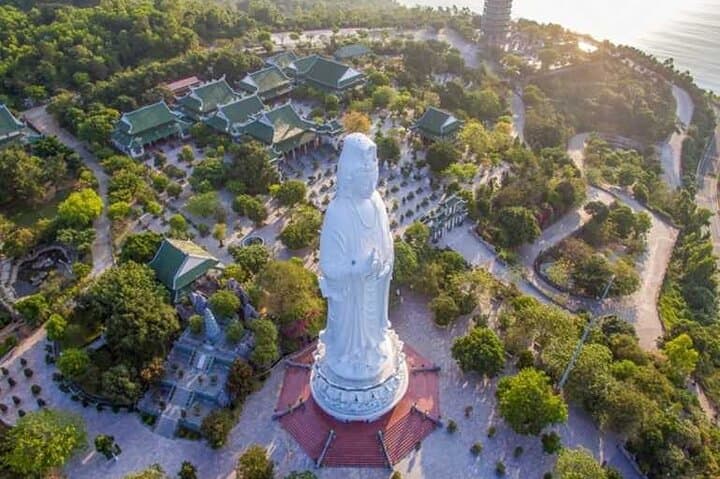

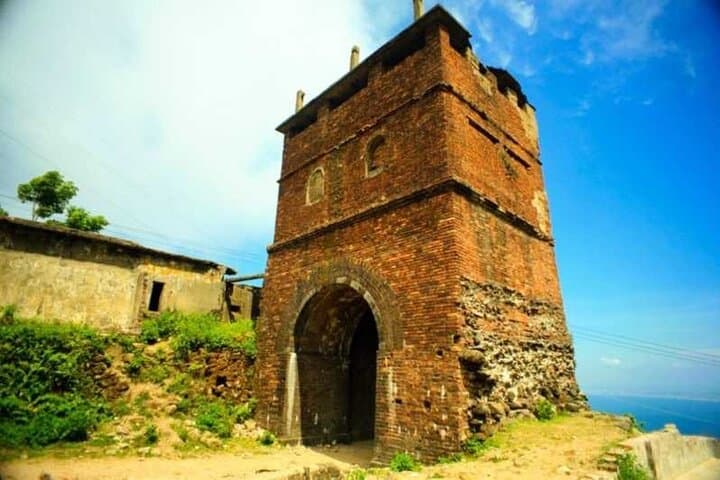
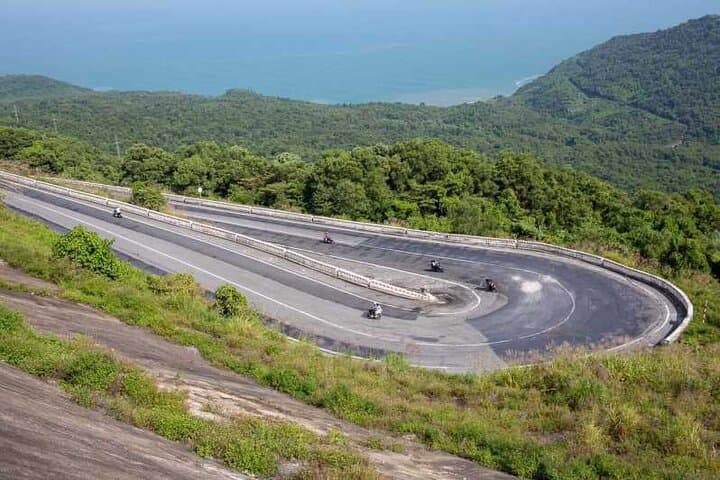
A bus eases off the coastal highway and the city opens into stone: five rocky fingers rising from the low plain — Marble Mountain’s limestone karsts cut a raw skyline against the South China Sea. Visitors climb carved steps and pass cool cave mouths where sunlight drops in shafts, then later the road climbs again to Monkey Mountain and the Linh Ung pagoda, where a 67-meter Lady Buddha watches the bay.
A bus eases off the coastal highway and the city opens into stone: five rocky fingers rising from the low plain — Marble Mountain’s limestone karsts cut a raw skyline against the South China Sea. Visitors climb carved steps and pass cool cave mouths where sunlight drops in shafts, then later the road climbs again to Monkey Mountain and the Linh Ung pagoda, where a 67-meter Lady Buddha watches the bay.
Ngu Hanh Son (Marble Mountain) is a cluster of limestone and marble hills formed from marine deposits uplifted over millennia; the area’s caves house Buddhist sanctuaries and Hindu grottoes used for centuries. At the mountains’ base sits the Non Nuoc marble village, a craft community with a history of stone carving stretching back roughly 300 years. Son Tra Peninsula’s volcanic ridge, by contrast, is greener and wilder — a refuge for primates and seabirds and a place of modern spiritual architecture.
Expect a day of stairs, short cave walks, and panoramic stops for photos. The tour typically runs about five hours with hotel pickup from Hoi An or Da Nang, includes lunch and entrance fees, and works well for most fitness levels though stair sections can be steep.
Practical guidance: start early to avoid heat and crowds, bring sturdy shoes and at least 1–2 liters of water, carry cash for vendors and tips, and respect pagoda etiquette (no shorts or bare shoulders). Keep a respectful distance from monkeys — they are wild and can be aggressive around food. With a mix of geology, local craft, and coastal views, the outing is an efficient primer on central Vietnam’s coastal landscapes and culture.