THE ADVENTURE COLLECTIVE® · Independent discovery and booking for outdoor travel

Explore Marble Mountains' caves and temples by day, then glide on a lantern-lit boat through Hoi An’s ancient river at dusk. This combined cultural tour blends short hikes, panoramic viewpoints and an atmospheric sunset cruise.
Explore Marble Mountains' caves and temples by day, then glide on a lantern-lit boat through Hoi An’s ancient river at dusk. This combined cultural tour blends short hikes, panoramic viewpoints and an atmospheric sunset cruise.
You step off the van as late afternoon light softens the limestone faces of the Marble Mountains; wind pushes off the South China Sea and the scent of salt and incense hangs in the stairwells of certain pagodas. Climbing stone steps and passing carved caves, you feel the place shift from geology to lived history—then the day closes on Hoi An, where wooden boats drift beneath a canopy of colored lanterns that set the Thu Bon River alight.
Verified experiences and guided adventures in the surrounding area.
Operated by Premium Travel Vietnam · Hoi An, Quang Nam
You step off the van as late afternoon light softens the limestone faces of the Marble Mountains; wind pushes off the South China Sea and the scent of salt and incense hangs in the stairwells of certain pagodas. Climbing stone steps and passing carved caves, you feel the place shift from geology to lived history—then the day closes on Hoi An, where wooden boats drift beneath a canopy of colored lanterns that set the Thu Bon River alight.
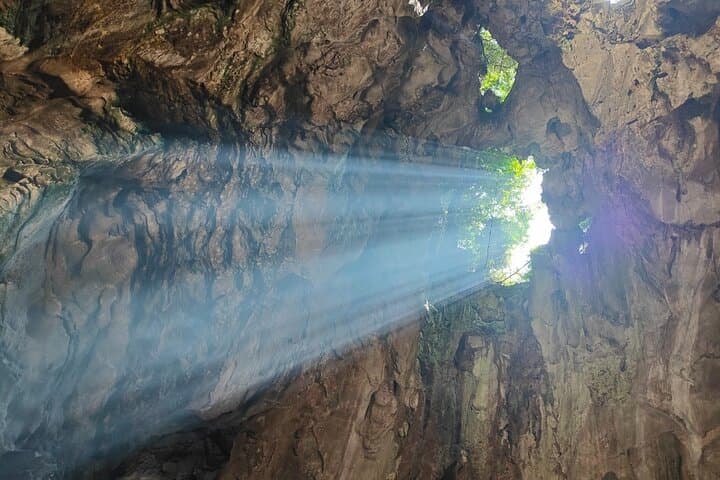
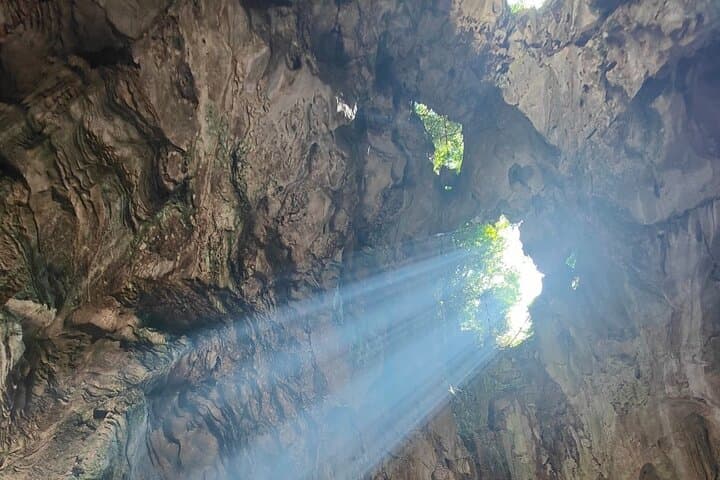
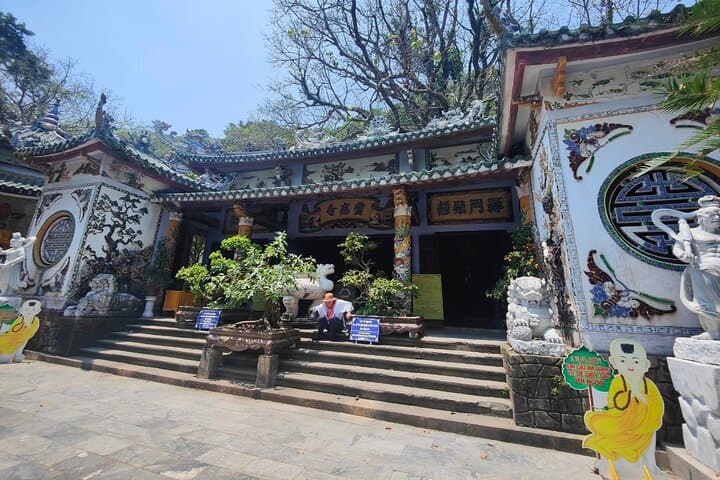
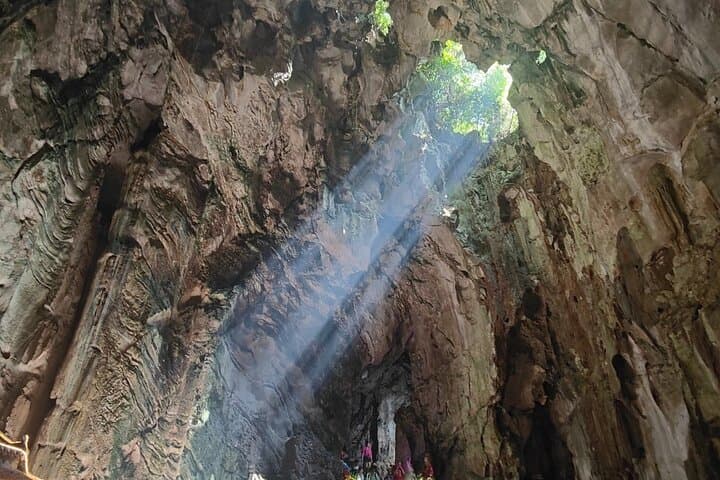
The Marble Mountains are five marble-and-limestone hills named for the five elements, a compact cluster of caves, temples, and wartime refuges like Huyen Khong. Hoi An, once a major Southeast Asian trading port, still shows Chinese, Japanese, and European architectural layers along its narrow lanes. Local artisans keep centuries-old crafts—lantern makers, tailors and stone carvers—alive along the waterfront and in nearby Non Nuoc village.
Practically, expect a full day (6–7 hours) of short walks, stairs and boat time. Wear sturdy shoes for uneven steps at the mountains and bring modest clothing for pagodas. The lantern cruise works best at dusk: aim for clear evenings for the best reflections and photos. Hydrate between stops; bottled water is typically provided but carry a refillable bottle.
Plan for variable weather—light rain can make steps slick and the river more brown than reflective. Support local guides and artisans with small purchases; they keep these cultural practices functioning. Return with photos of rugged cliffs, carved sanctuaries and a river that seems to carry the town’s light downstream.
moderate.
6–7 hours.
Moderate fitness; able to climb stairs and walk short uneven trails; not suitable for those with serious mobility limits
The full tour runs about 6–7 hours (360–420 minutes), typically including Marble Mountains visits, time in Hoi An and the lantern boat ride at dusk.
Partial accessibility exists—there are elevators at some points, but many viewpoints and caves require stairs; travelers with mobility limits should notify the operator in advance.
Yes—small vendors, craftsmen and some street-food stalls prefer cash (Vietnamese dong), though larger shops may accept cards.
Lantern boat cruises are generally calm and family-friendly, but children should remain seated and supervised; life jackets availability varies—ask the operator before boarding.
Hoi An was a major trading port from the 15th to 19th centuries, blending Chinese, Japanese and European influences; the Marble Mountains are a sacred cluster of five peaks with caves used historically as shrines and wartime shelters.
Support low-impact tourism—avoid releasing non-biodegradable items onto the river, take rubbish with you, and buy from local artisans to help sustain traditional crafts.
Premium Travel Vietnam operates guided outdoor trips and adventures with an emphasis on safety, stewardship, and memorable experiences.
You step off the van as late afternoon light softens the limestone faces of the Marble Mountains; wind pushes off the South China Sea and the scent of salt and incense hangs in the stairwells of certain pagodas. Climbing stone steps and passing carved caves, you feel the place shift from geology to lived history—then the day closes on Hoi An, where wooden boats drift beneath a canopy of colored lanterns that set the Thu Bon River alight.
You step off the van as late afternoon light softens the limestone faces of the Marble Mountains; wind pushes off the South China Sea and the scent of salt and incense hangs in the stairwells of certain pagodas. Climbing stone steps and passing carved caves, you feel the place shift from geology to lived history—then the day closes on Hoi An, where wooden boats drift beneath a canopy of colored lanterns that set the Thu Bon River alight.
The Marble Mountains are five marble-and-limestone hills named for the five elements, a compact cluster of caves, temples, and wartime refuges like Huyen Khong. Hoi An, once a major Southeast Asian trading port, still shows Chinese, Japanese, and European architectural layers along its narrow lanes. Local artisans keep centuries-old crafts—lantern makers, tailors and stone carvers—alive along the waterfront and in nearby Non Nuoc village.
Practically, expect a full day (6–7 hours) of short walks, stairs and boat time. Wear sturdy shoes for uneven steps at the mountains and bring modest clothing for pagodas. The lantern cruise works best at dusk: aim for clear evenings for the best reflections and photos. Hydrate between stops; bottled water is typically provided but carry a refillable bottle.
Plan for variable weather—light rain can make steps slick and the river more brown than reflective. Support local guides and artisans with small purchases; they keep these cultural practices functioning. Return with photos of rugged cliffs, carved sanctuaries and a river that seems to carry the town’s light downstream.