THE ADVENTURE COLLECTIVE® · Independent discovery and booking for outdoor travel

Explore the Marble Mountains' caves, pagodas and stone-carving workshops on a guided one-day tour from Da Nang, then stroll Hoi An’s lantern-lit streets and sample local cuisine. Practical advice on stairs, attire and timing helps you make the most of the day.
Explore the Marble Mountains' caves, pagodas and stone-carving workshops on a guided one-day tour from Da Nang, then stroll Hoi An’s lantern-lit streets and sample local cuisine. Practical advice on stairs, attire and timing helps you make the most of the day.
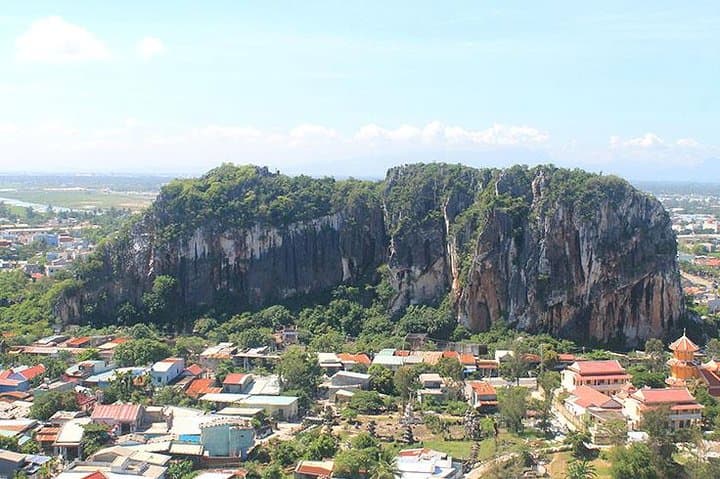
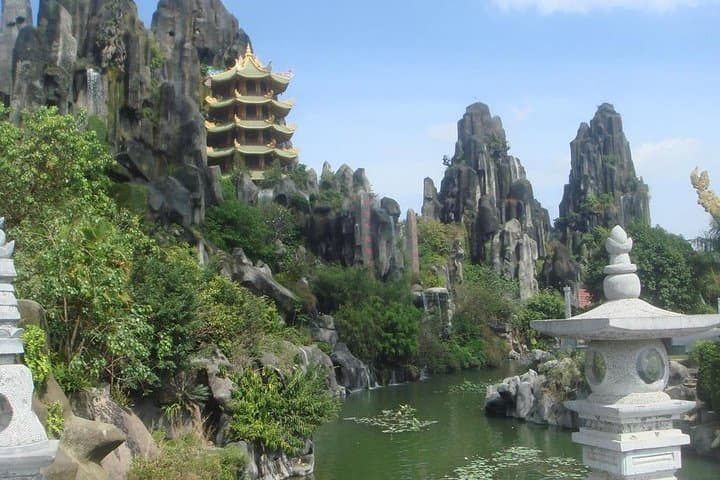
An afternoon climb begins with the city falling away behind the minibus and the limestone slopes of Thuy Son rising ahead—sheer tiers of carved steps, shadowed caves and pagoda roofs that pierce the sky. Visitors move through low, cool caverns where shafts of light outline ancient altars, then up tight staircases to terraces that open to the South China Sea.
Verified experiences and guided adventures in the surrounding area.
Operated by Amazing Nature Travel · Da Nang, Da Nang
An afternoon climb begins with the city falling away behind the minibus and the limestone slopes of Thuy Son rising ahead—sheer tiers of carved steps, shadowed caves and pagoda roofs that pierce the sky. Visitors move through low, cool caverns where shafts of light outline ancient altars, then up tight staircases to terraces that open to the South China Sea.
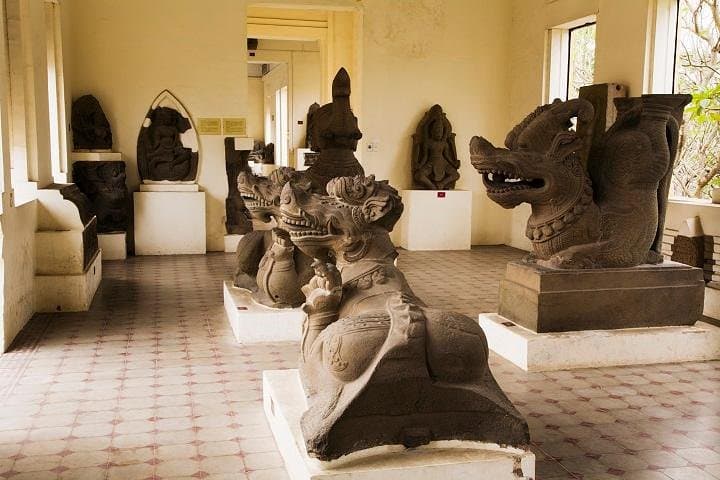
The Marble Mountains are a cluster of five limestone-and-marble hills historically linked to Cham settlement and later Vietnamese Buddhist pagodas. Thuy Son (Water) hosts Linh Ung Pagoda and Huyen Khong Cave, spaces shaped by centuries of wind and coral-based geology; nearby Non Nuoc village carries a living tradition of stone carving born from the same bedrock.
Culturally, the route connects to Hoi An’s trading past—merchants, Chinese assembly halls and lantern-lit evenings—giving the day a combined religious, artisanal and coastal-port narrative.
Practical guidance: the tour mixes stair climbs (several hundred uneven steps) and flat village strolls; wear grippy shoes and bring a headlamp or phone light for deeper caves. Expect a guided visit, time at a stone-carving workshop, and an evening in Hoi An with local specialties such as cao lầu. The schedule is compact—reserve energy for steps and windows of free time to browse craft stalls.
Timing matters: go in late afternoon for softer light and cooler air, and carry water, modest clothing for pagodas, and cash for small purchases. The route rewards curiosity—quiet grottoes and artisan benches await those who step off the main terraces.
moderate.
6–8 hours.
Suitable for most fitness levels but requires stair climbing ability and basic mobility for uneven paths
Yes—this tour includes admission to the Marble Mountains sites listed by the operator; check your booking confirmation for specifics.
Yes—the itinerary includes time exploring Hoi An’s ancient town with dinner and free time to see lanterns and local shops.
Generally yes—organizers list it as suitable for all fitness levels, but participants should be able to climb several flights of uneven stairs and navigate steep steps.
Expect several hundred steps and up to a few miles of walking overall between hill paths, caves and village streets; bring comfortable shoes and moderate stamina.
The Marble Mountains have Cham-era cave settlements and later became Buddhist religious centers; nearby Hoi An grew as a multi-national trading port from the 16th–18th centuries.
High foot traffic stresses fragile cave formations and temple grounds—stick to marked paths, avoid touching carvings, and support local conservation through responsible shopping.
Amazing Nature Travel operates guided outdoor trips and adventures with an emphasis on safety, stewardship, and memorable experiences.

An afternoon climb begins with the city falling away behind the minibus and the limestone slopes of Thuy Son rising ahead—sheer tiers of carved steps, shadowed caves and pagoda roofs that pierce the sky. Visitors move through low, cool caverns where shafts of light outline ancient altars, then up tight staircases to terraces that open to the South China Sea.
An afternoon climb begins with the city falling away behind the minibus and the limestone slopes of Thuy Son rising ahead—sheer tiers of carved steps, shadowed caves and pagoda roofs that pierce the sky. Visitors move through low, cool caverns where shafts of light outline ancient altars, then up tight staircases to terraces that open to the South China Sea.
The Marble Mountains are a cluster of five limestone-and-marble hills historically linked to Cham settlement and later Vietnamese Buddhist pagodas. Thuy Son (Water) hosts Linh Ung Pagoda and Huyen Khong Cave, spaces shaped by centuries of wind and coral-based geology; nearby Non Nuoc village carries a living tradition of stone carving born from the same bedrock.
Culturally, the route connects to Hoi An’s trading past—merchants, Chinese assembly halls and lantern-lit evenings—giving the day a combined religious, artisanal and coastal-port narrative.
Practical guidance: the tour mixes stair climbs (several hundred uneven steps) and flat village strolls; wear grippy shoes and bring a headlamp or phone light for deeper caves. Expect a guided visit, time at a stone-carving workshop, and an evening in Hoi An with local specialties such as cao lầu. The schedule is compact—reserve energy for steps and windows of free time to browse craft stalls.
Timing matters: go in late afternoon for softer light and cooler air, and carry water, modest clothing for pagodas, and cash for small purchases. The route rewards curiosity—quiet grottoes and artisan benches await those who step off the main terraces.