THE ADVENTURE COLLECTIVE® · Independent discovery and booking for outdoor travel

Climb marble stairways, explore cave pagodas and ride the coastal road to Son Tra’s forested ridges on a 3–4 hour tour from Da Nang. Expect steep steps, coastal views and marble-carving culture—entrance, lunch and transport are usually included.
Climb marble stairways, explore cave pagodas and ride the coastal road to Son Tra’s forested ridges on a 3–4 hour tour from Da Nang. Expect steep steps, coastal views and marble-carving culture—entrance, lunch and transport are usually included.
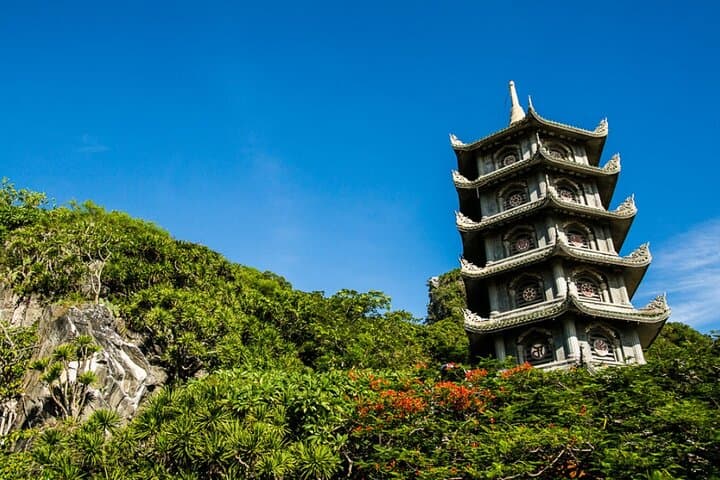
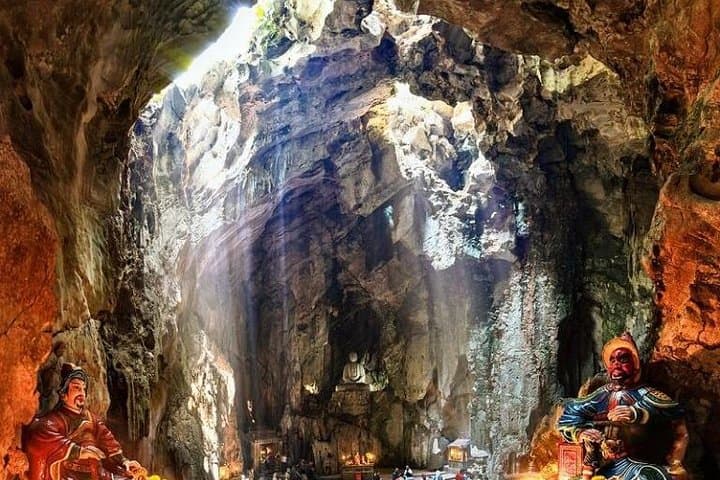
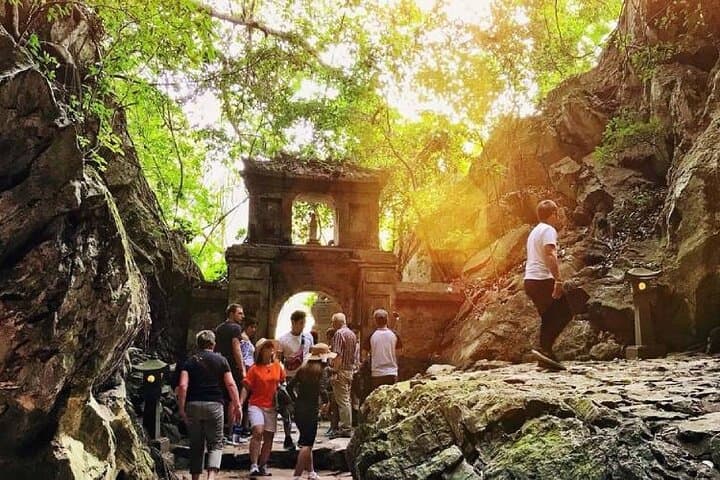
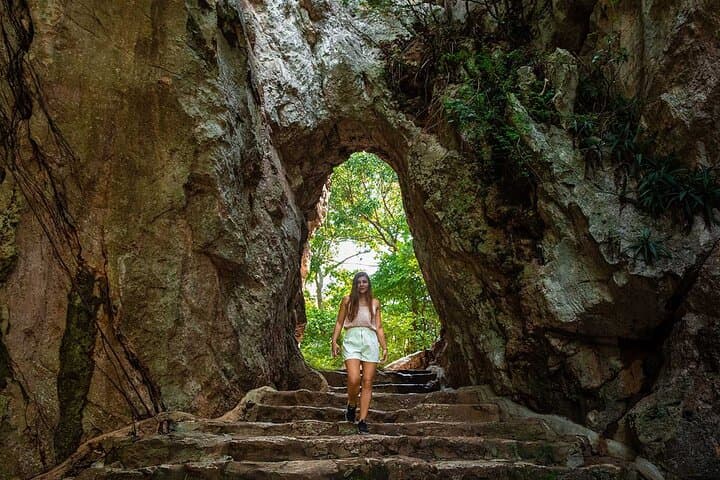
You push through a shaded stone gate and begin climbing narrow steps hewn from marble, the air carrying salt from the China Sea and incense from a courtyard below. At the ridge the Da Nang coastline unwraps in a long, luminous ribbon; below, carved caverns and small pagodas sit in cool hollows. Later the van winds along the Son Tra Peninsula to Monkey Mountain, where forest leans toward the surf and long-tailed macaques watch from twisted branches.
Verified experiences and guided adventures in the surrounding area.
Operated by Ont Travel Hoi An · Da Nang, Da Nang
You push through a shaded stone gate and begin climbing narrow steps hewn from marble, the air carrying salt from the China Sea and incense from a courtyard below. At the ridge the Da Nang coastline unwraps in a long, luminous ribbon; below, carved caverns and small pagodas sit in cool hollows. Later the van winds along the Son Tra Peninsula to Monkey Mountain, where forest leans toward the surf and long-tailed macaques watch from twisted branches.
The Marble Mountains are five marble and limestone outcrops named for the classical elements—metal, wood, water, fire and earth—shaped by karst processes and generations of builders. Caves and 19th-century pagodas punctuate the rock, and the nearby Non Nuoc carving village still turns stone into altars and ornaments. Son Tra (Monkey Mountain) is a granitic headland with volcanic roots; American troops popularized the nickname during the war. Together they offer contrasting geology, coastal panoramas and living craft traditions.
Practical details: expect a 3–4 hour shared tour with entrance fees, lunch, bottled water, air-conditioned transport and an English-speaking guide usually included. Trails feature steep stone steps, uneven surfaces and short uphill stretches—sturdy shoes beat sandals. Bring sun protection, a refillable water bottle (1L+), and small cash for the carving village. Morning or late-afternoon light is best for photos; avoid heavy rains in the monsoon season and don’t feed or approach monkeys. The route is suitable for most fitness levels but includes repeated stair climbs and narrow paths—carry a light rain layer in summer and secure camera gear near cliffs.
easy.
3–4 hours.
Suitable for most fitness levels; expect repeated stair sections and short uphill walks so basic mobility and stamina are needed.
Most guided tours include entrance fees to Marble Mountains; confirm with your operator—Son Tra viewpoints may be free but specific attractions can vary.
You may spot long-tailed macaques on Son Tra, but keep distance, secure food and avoid feeding them for your safety and theirs.
Expect moderate walking and stair climbs—stone steps to caves and pagodas are common but routes are generally short and suitable for most visitors.
Yes for many families and older visitors if they can manage stairs; consider mobility limitations before booking and request slower pacing if needed.
The Marble Mountains have acted as religious sites for centuries and are tied to the Non Nuoc carving tradition; American troops gave Son Tra the ‘Monkey Mountain’ name during the Vietnam War era.
Son Tra Peninsula is a protected reserve facing development pressure—stick to marked trails, don’t feed wildlife and support local conservation initiatives by choosing responsible guides.
Ont Travel Hoi An operates guided outdoor trips and adventures with an emphasis on safety, stewardship, and memorable experiences.
You push through a shaded stone gate and begin climbing narrow steps hewn from marble, the air carrying salt from the China Sea and incense from a courtyard below. At the ridge the Da Nang coastline unwraps in a long, luminous ribbon; below, carved caverns and small pagodas sit in cool hollows. Later the van winds along the Son Tra Peninsula to Monkey Mountain, where forest leans toward the surf and long-tailed macaques watch from twisted branches.
You push through a shaded stone gate and begin climbing narrow steps hewn from marble, the air carrying salt from the China Sea and incense from a courtyard below. At the ridge the Da Nang coastline unwraps in a long, luminous ribbon; below, carved caverns and small pagodas sit in cool hollows. Later the van winds along the Son Tra Peninsula to Monkey Mountain, where forest leans toward the surf and long-tailed macaques watch from twisted branches.
The Marble Mountains are five marble and limestone outcrops named for the classical elements—metal, wood, water, fire and earth—shaped by karst processes and generations of builders. Caves and 19th-century pagodas punctuate the rock, and the nearby Non Nuoc carving village still turns stone into altars and ornaments. Son Tra (Monkey Mountain) is a granitic headland with volcanic roots; American troops popularized the nickname during the war. Together they offer contrasting geology, coastal panoramas and living craft traditions.
Practical details: expect a 3–4 hour shared tour with entrance fees, lunch, bottled water, air-conditioned transport and an English-speaking guide usually included. Trails feature steep stone steps, uneven surfaces and short uphill stretches—sturdy shoes beat sandals. Bring sun protection, a refillable water bottle (1L+), and small cash for the carving village. Morning or late-afternoon light is best for photos; avoid heavy rains in the monsoon season and don’t feed or approach monkeys. The route is suitable for most fitness levels but includes repeated stair climbs and narrow paths—carry a light rain layer in summer and secure camera gear near cliffs.