THE ADVENTURE COLLECTIVE® · Independent discovery and booking for outdoor travel

Short climbs, ancient grottoes and a giant seaside Buddha—this 4–5 hour tour from Hoi An or Da Nang combines Marble Mountain’s caves and carvings with the coastal views and pagodas of Monkey Mountain. Ideal for travelers who want culture, geology, and skyline panoramas in one day.
Short climbs, ancient grottoes and a giant seaside Buddha—this 4–5 hour tour from Hoi An or Da Nang combines Marble Mountain’s caves and carvings with the coastal views and pagodas of Monkey Mountain. Ideal for travelers who want culture, geology, and skyline panoramas in one day.
Fog lifts off the South China Sea as you step from the van and the first marble face of Ngu Hanh Son catches light—sharp, cool, and oddly warm underfoot. Stairs cut into stone lead through caverns where pockets of air hold incense and history; sunlight slices the grottos into bands of shadow and gold.
Verified experiences and guided adventures in the surrounding area.
Operated by DN Tour · Da Nang, Da Nang
Fog lifts off the South China Sea as you step from the van and the first marble face of Ngu Hanh Son catches light—sharp, cool, and oddly warm underfoot. Stairs cut into stone lead through caverns where pockets of air hold incense and history; sunlight slices the grottos into bands of shadow and gold.
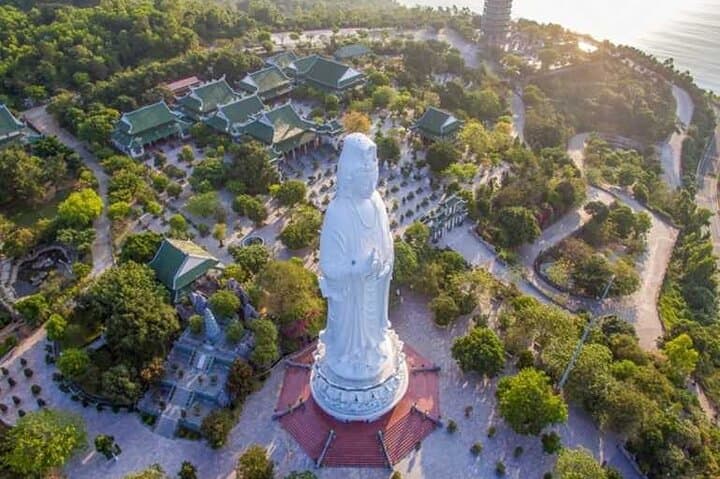
These five limestone hills, carved by tectonics and centuries of quarrying, were an early source of stone for temples and tombs. Marble Mountain’s caves and shrines reflect a mix of Buddhist practice and local craft, while a short drive north to Monkey Mountain (the Son Tra ridge) delivers sweeping coastal panoramas and the 67-meter Linh Ung statue guarding Da Nang’s bay.
Expect short uphill walks, carved steps, and tight cave passages rather than technical climbing. Local guides often explain the symbolism in temple art and the region’s wartime and maritime history, and vendors sell stone carvings made from the same hills you’re walking.
Practical guidance: allow 4–5 hours for hotel pickup in Hoi An or meeting in Da Nang, entry fees included on most tours. Wear sturdy shoes for uneven stone steps, bring sun protection for exposed viewpoints, and carry water—the humidity can make even brief ascents feel strenuous. Respect shrine etiquette: cover shoulders and remove hats inside pagodas. Mornings are cooler and quieter; afternoons can be busy and hotter.
This is a compact day adventure that pairs cultural context with short, rewarding climbs and sweeping coastal views—an accessible way to add geology, local craft, and religion to your Vietnam itinerary.
easy.
4–5 hours.
Suitable for most fitness levels; expect short ups/downs and many stairs—basic mobility recommended.
The tour typically lasts 4–5 hours including hotel pickup and drop-off; on-site time at Marble Mountains and Monkey Mountain is about two hours each.
Most bookings include entrance fees for Marble Mountains and the Lady Buddha site; confirm when you book.
Yes—trail sections are short but include stairs and uneven surfaces; those with limited mobility may find some caves challenging.
Yes—tours usually offer hotel pickup in Hoi An or a meeting point in Da Nang and cover both Marble Mountains and Son Tra/Monkey Mountain in one day.
Marble Mountain was quarried for stone used in regional temples and tombs; the area later became a religious and strategic site with layered wartime history.
Visitor pressure can erode trails and disturb wildlife; stick to marked paths, avoid feeding animals, and support local artisans rather than souvenir factories.
DN Tour operates guided outdoor trips and adventures with an emphasis on safety, stewardship, and memorable experiences.
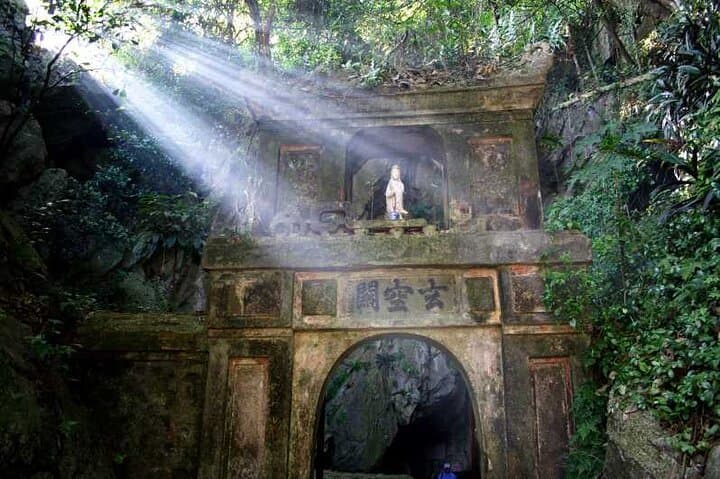
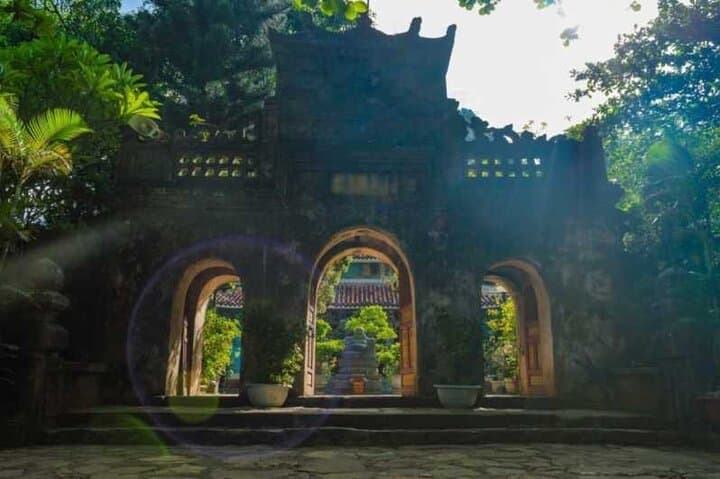
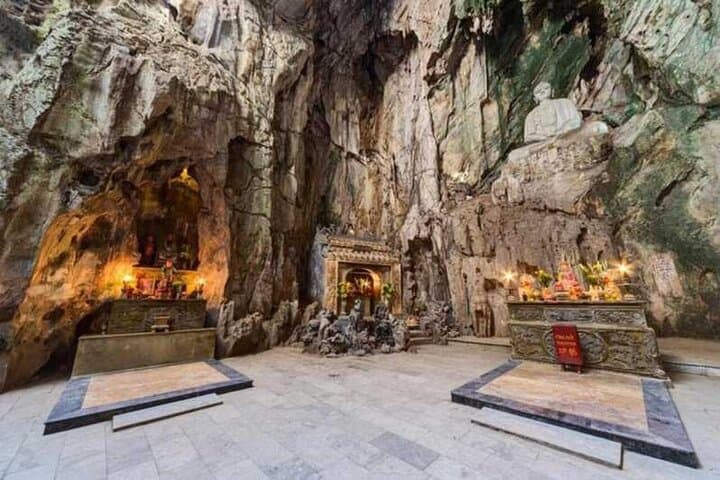
Fog lifts off the South China Sea as you step from the van and the first marble face of Ngu Hanh Son catches light—sharp, cool, and oddly warm underfoot. Stairs cut into stone lead through caverns where pockets of air hold incense and history; sunlight slices the grottos into bands of shadow and gold.
Fog lifts off the South China Sea as you step from the van and the first marble face of Ngu Hanh Son catches light—sharp, cool, and oddly warm underfoot. Stairs cut into stone lead through caverns where pockets of air hold incense and history; sunlight slices the grottos into bands of shadow and gold.
These five limestone hills, carved by tectonics and centuries of quarrying, were an early source of stone for temples and tombs. Marble Mountain’s caves and shrines reflect a mix of Buddhist practice and local craft, while a short drive north to Monkey Mountain (the Son Tra ridge) delivers sweeping coastal panoramas and the 67-meter Linh Ung statue guarding Da Nang’s bay.
Expect short uphill walks, carved steps, and tight cave passages rather than technical climbing. Local guides often explain the symbolism in temple art and the region’s wartime and maritime history, and vendors sell stone carvings made from the same hills you’re walking.
Practical guidance: allow 4–5 hours for hotel pickup in Hoi An or meeting in Da Nang, entry fees included on most tours. Wear sturdy shoes for uneven stone steps, bring sun protection for exposed viewpoints, and carry water—the humidity can make even brief ascents feel strenuous. Respect shrine etiquette: cover shoulders and remove hats inside pagodas. Mornings are cooler and quieter; afternoons can be busy and hotter.
This is a compact day adventure that pairs cultural context with short, rewarding climbs and sweeping coastal views—an accessible way to add geology, local craft, and religion to your Vietnam itinerary.