THE ADVENTURE COLLECTIVE® · Independent discovery and booking for outdoor travel

Explore the site where ancient Greece turned the tide: a private half‑day tour from Athens visits the Marathon Tomb, the 1929 marble dam and the Archaeological Museum, blending battlefield history with coastal views. Comfortable transport and light walking make this an accessible historical outing.
Explore the site where ancient Greece turned the tide: a private half‑day tour from Athens visits the Marathon Tomb, the 1929 marble dam and the Archaeological Museum, blending battlefield history with coastal views. Comfortable transport and light walking make this an accessible historical outing.
Morning light falls across the low hills of Marathon like a quiet call to attention. Visitors step out of an air‑conditioned minivan onto the marble dam overlooking the reservoir; the lake’s surface catches the sun and the wind seems to push you along the shoreline toward the plain where a battle reshaped Greek history.
Verified experiences and guided adventures in the surrounding area.
Operated by Greece Athens Transfers & Tours · Marathon, Attica
Morning light falls across the low hills of Marathon like a quiet call to attention. Visitors step out of an air‑conditioned minivan onto the marble dam overlooking the reservoir; the lake’s surface catches the sun and the wind seems to push you along the shoreline toward the plain where a battle reshaped Greek history.
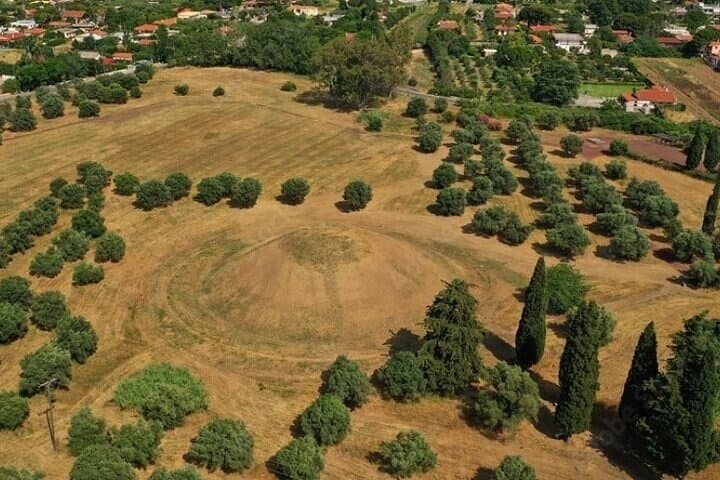
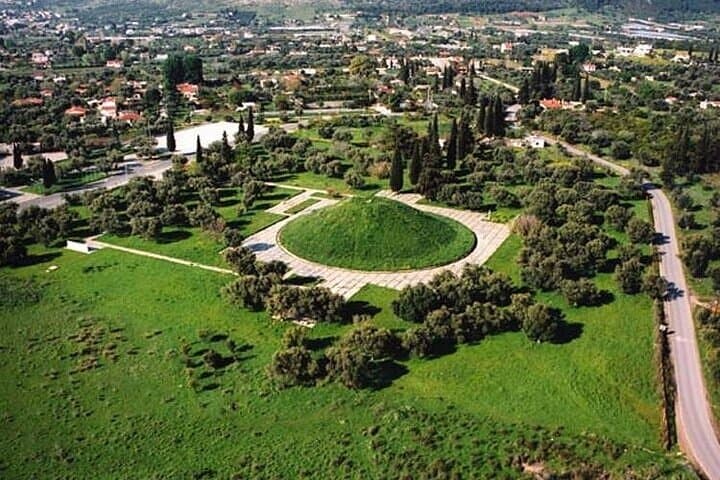
This half‑day route stitches together modern engineering and ancient memory. The 1929 Marathon Dam and reservoir changed the local geology and water supply for Athens, while the tumulus of the Athenians—an earthen mound—marks the graves of soldiers who fell at Marathon in 490 B.C. The Archaeological Museum nearby displays finds from Neolithic to Roman times, anchoring fragments of daily life to the battlefield’s grand narrative. A short coastal stop at Marathon Bay and the lesser‑known Sanctuary of the Egyptian Gods in Nea Makri reveal cultural currents: trade, worship, and exchange that reached this shoreline.
Practicalities are straightforward. The private tour runs about 4–5 hours from Athens and includes hotel pickup, bottled water, and onboard Wi‑Fi. Expect light walking over packed earth, stone surfaces, and museum floors—nothing technical, but bring sun protection and comfortable shoes. Museums may require separate admissions and have limited time windows, so check opening hours. The road back to Athens crosses green agricultural land; on clear days the sea and the sawtooth profile of the eastern Attica hills provide a last view before the city swallows the horizon.
Respect excavation areas, follow signage at sites, and leave no trace—these landscapes carry both natural and human stories that deserve preservation.
easy.
4–5 hours.
Suitable for most travelers with light walking ability; involves standing and short climbs up firmer paths.
Admission is not explicitly included in the tour price—confirm with the operator before booking and be prepared to pay museum fees if required.
Expect at least a one‑hour drive each way depending on traffic; the tour is planned as a 4–5 hour round trip with stops.
The tour is family friendly and involves light walking; however, some sites have uneven terrain or steps—check accessibility details if mobility is limited.
Yes—private pickup from hotels, ports or designated meeting points is typically offered; confirm your pickup location when booking.
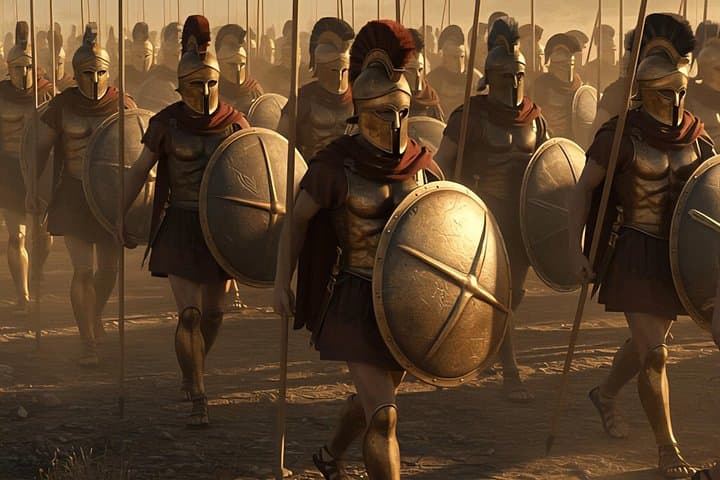
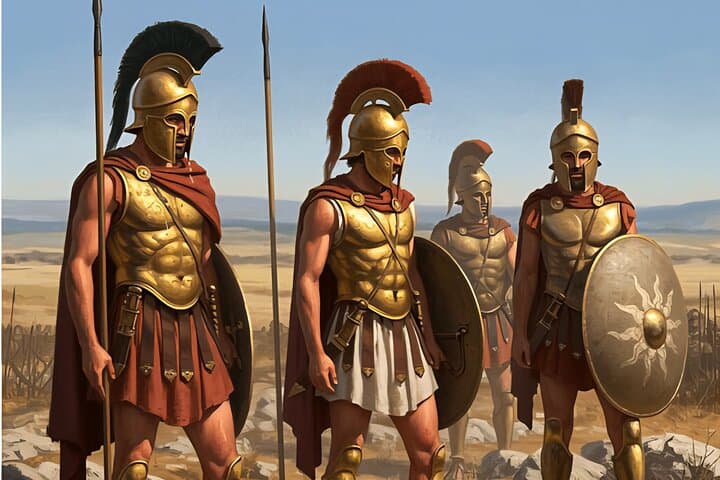
The Battle of Marathon (490 B.C.) was a pivotal Greek victory over Persia; the tumulus contains the remains of Athenian dead and inspired the legend of the long run to announce victory.
Archaeological sites are protected—stay on marked paths, avoid climbing on tombs, and carry out waste; the reservoir remains important for local water management.
Greece Athens Transfers & Tours operates guided outdoor trips and adventures with an emphasis on safety, stewardship, and memorable experiences.
Morning light falls across the low hills of Marathon like a quiet call to attention. Visitors step out of an air‑conditioned minivan onto the marble dam overlooking the reservoir; the lake’s surface catches the sun and the wind seems to push you along the shoreline toward the plain where a battle reshaped Greek history.
Morning light falls across the low hills of Marathon like a quiet call to attention. Visitors step out of an air‑conditioned minivan onto the marble dam overlooking the reservoir; the lake’s surface catches the sun and the wind seems to push you along the shoreline toward the plain where a battle reshaped Greek history.
This half‑day route stitches together modern engineering and ancient memory. The 1929 Marathon Dam and reservoir changed the local geology and water supply for Athens, while the tumulus of the Athenians—an earthen mound—marks the graves of soldiers who fell at Marathon in 490 B.C. The Archaeological Museum nearby displays finds from Neolithic to Roman times, anchoring fragments of daily life to the battlefield’s grand narrative. A short coastal stop at Marathon Bay and the lesser‑known Sanctuary of the Egyptian Gods in Nea Makri reveal cultural currents: trade, worship, and exchange that reached this shoreline.
Practicalities are straightforward. The private tour runs about 4–5 hours from Athens and includes hotel pickup, bottled water, and onboard Wi‑Fi. Expect light walking over packed earth, stone surfaces, and museum floors—nothing technical, but bring sun protection and comfortable shoes. Museums may require separate admissions and have limited time windows, so check opening hours. The road back to Athens crosses green agricultural land; on clear days the sea and the sawtooth profile of the eastern Attica hills provide a last view before the city swallows the horizon.
Respect excavation areas, follow signage at sites, and leave no trace—these landscapes carry both natural and human stories that deserve preservation.