THE ADVENTURE COLLECTIVE® · Independent discovery and booking for outdoor travel

Visit two Sacred Valley highlights in one half-day: the shimmering Maras salt pans and the circular Inca terraces at Moray. This compact tour pairs photographic high points with clear insights into Andean agriculture and traditional salt production.
Visit two Sacred Valley highlights in one half-day: the shimmering Maras salt pans and the circular Inca terraces at Moray. This compact tour pairs photographic high points with clear insights into Andean agriculture and traditional salt production.
High on a sun-leaning slope above the Sacred Valley, white pans of evaporated salt flash like a rough mirror while the bowl of Moray drops away into shadow.
Verified experiences and guided adventures in the surrounding area.
Operated by MC Peru Expeditions · Maras, Cusco Region
High on a sun-leaning slope above the Sacred Valley, white pans of evaporated salt flash like a rough mirror while the bowl of Moray drops away into shadow.
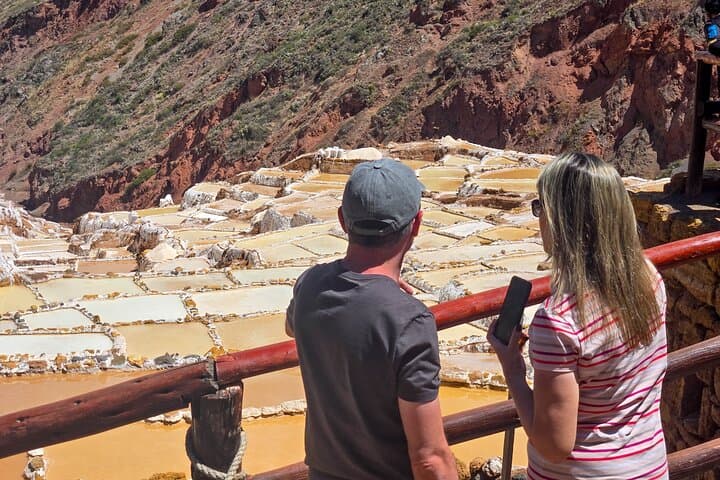
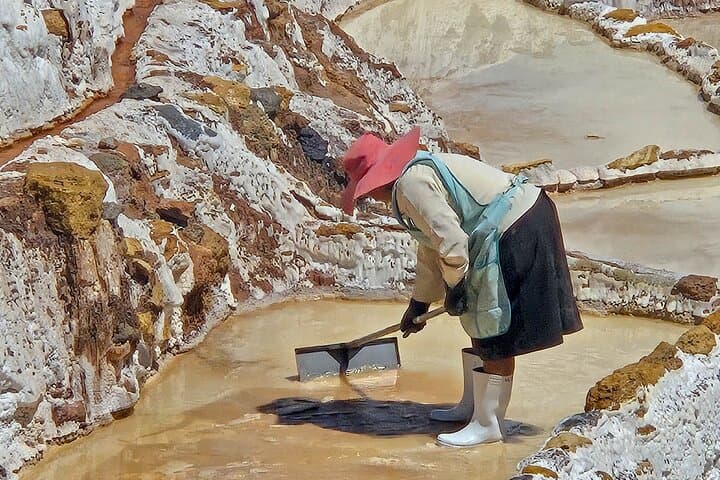
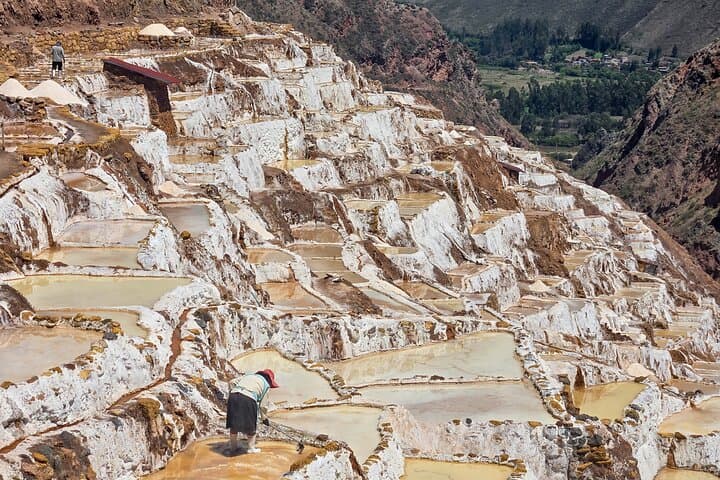
Start in Cusco and you’re on a narrow ribbon of road that climbs through arid highland farmland; within an hour you reach Maras and the Salineras, a network of more than 3,000 shallow pools fed by a natural spring. Families still manage plots of pans that concentrate salt through simple channels, a practice with roots in pre-colonial and colonial eras.
A short drive uphill brings you to Moray, where concentric Inca terraces form deep amphitheaters carved into the earth. Archaeologists read the rings as an agricultural laboratory: terraces at different depths and orientations create measurable microclimates, a pragmatic experiment in crop adaptation that helped diversify Andean food production.
Seeing both sites in a half-day stitches human ingenuity to geology — salt reflecting the sky like gathered frost, terraces that trace centuries of soil science. Practical guidance: altitude matters—hydrate before travel and plan an easy morning in Cusco. Wear sturdy shoes for uneven stone and mud, bring sun protection for strong UV and wind, and expect steps and short climbs. Tours usually include hotel pickup and return; carry small bills for local crafts and snacks. Early morning light favors the Salineras, while afternoon softens shadows in Moray—time your camera for contrast and detail.
easy.
4–6 hours.
Light fitness—able to walk short distances on uneven ground and climb stairs.
The tour runs about six hours total with typical departures around 8:00 AM and returns to Cusco early afternoon.
Standard group tours usually include admission to both sites; confirm with your operator at booking.
Yes—routes are generally short and suitable for most physical levels, but there are steps and uneven surfaces to navigate.
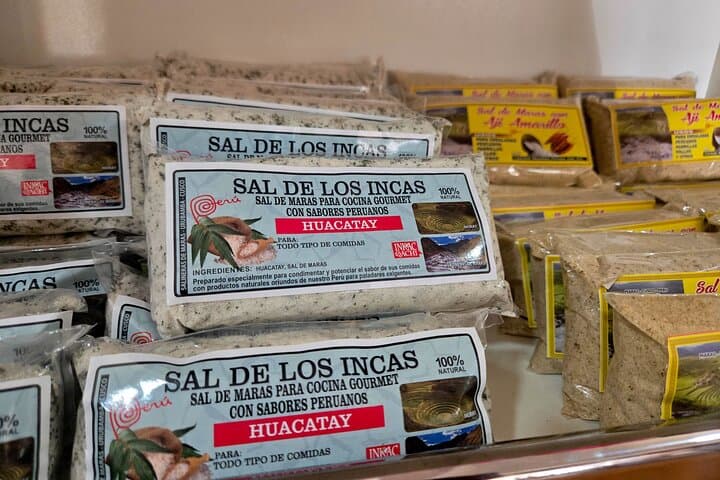
There are small markets and basic restroom facilities in Maras; bring small bills for purchases and tips.
Maras’ salt extraction dates back to pre-Inca times and was a key colonial-era resource; Moray’s concentric terraces reflect Inca experimentation with microclimates to optimize crop yields.
Visitor pressure and informal collecting can damage fragile pans and terraces; stick to marked paths, avoid removing salt or stones, and support local sellers directly.
MC Peru Expeditions operates guided outdoor trips and adventures with an emphasis on safety, stewardship, and memorable experiences.
High on a sun-leaning slope above the Sacred Valley, white pans of evaporated salt flash like a rough mirror while the bowl of Moray drops away into shadow.
High on a sun-leaning slope above the Sacred Valley, white pans of evaporated salt flash like a rough mirror while the bowl of Moray drops away into shadow.
Start in Cusco and you’re on a narrow ribbon of road that climbs through arid highland farmland; within an hour you reach Maras and the Salineras, a network of more than 3,000 shallow pools fed by a natural spring. Families still manage plots of pans that concentrate salt through simple channels, a practice with roots in pre-colonial and colonial eras.
A short drive uphill brings you to Moray, where concentric Inca terraces form deep amphitheaters carved into the earth. Archaeologists read the rings as an agricultural laboratory: terraces at different depths and orientations create measurable microclimates, a pragmatic experiment in crop adaptation that helped diversify Andean food production.
Seeing both sites in a half-day stitches human ingenuity to geology — salt reflecting the sky like gathered frost, terraces that trace centuries of soil science. Practical guidance: altitude matters—hydrate before travel and plan an easy morning in Cusco. Wear sturdy shoes for uneven stone and mud, bring sun protection for strong UV and wind, and expect steps and short climbs. Tours usually include hotel pickup and return; carry small bills for local crafts and snacks. Early morning light favors the Salineras, while afternoon softens shadows in Moray—time your camera for contrast and detail.