THE ADVENTURE COLLECTIVE® · Independent discovery and booking for outdoor travel

A compact half-day route from Cusco that pairs the thousand-pool Salineras with the concentric agricultural terraces of Moray. Expect short uneven walks, high-altitude air, and close-up encounters with living Inca-era practices.
A compact half-day route from Cusco that pairs the thousand-pool Salineras with the concentric agricultural terraces of Moray. Expect short uneven walks, high-altitude air, and close-up encounters with living Inca-era practices.
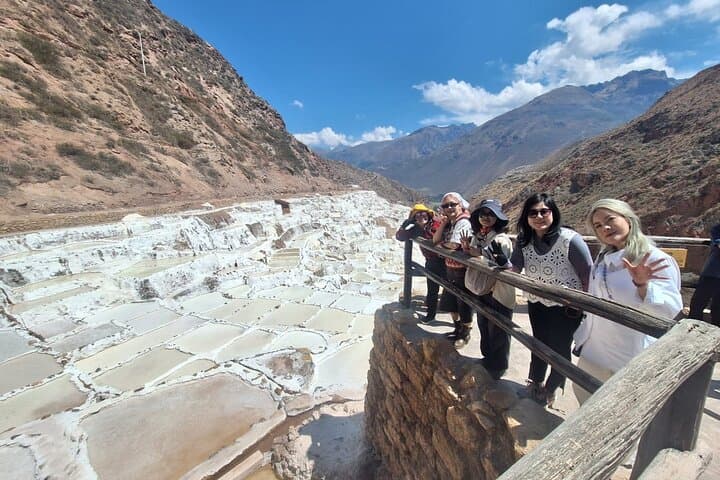
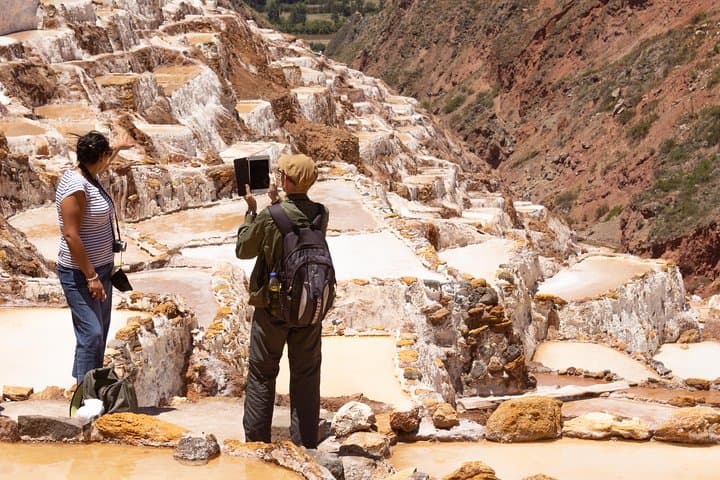
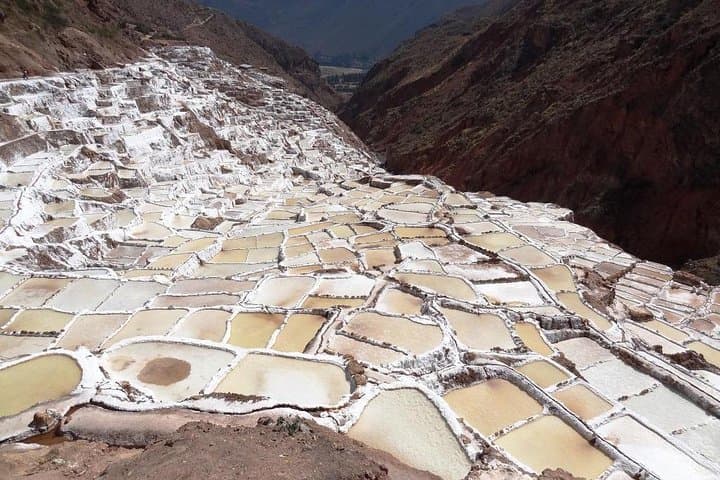
A dusty minivan peels away from Cusco’s stone streets and climbs into a high plain where air thins and the landscape tightens into terraces and salt pans. In the morning light the Salineras glint like a cascade of shallow mirrors, each handcrafted pool reflecting sky and Andes ridgelines; nearby, concentric rings at Moray sit like an amphitheater carved into the earth, each terrace holding its own tiny climate.
Verified experiences and guided adventures in the surrounding area.
Operated by Machupicchu Latin America · Cusco, Cusco
A dusty minivan peels away from Cusco’s stone streets and climbs into a high plain where air thins and the landscape tightens into terraces and salt pans. In the morning light the Salineras glint like a cascade of shallow mirrors, each handcrafted pool reflecting sky and Andes ridgelines; nearby, concentric rings at Moray sit like an amphitheater carved into the earth, each terrace holding its own tiny climate.
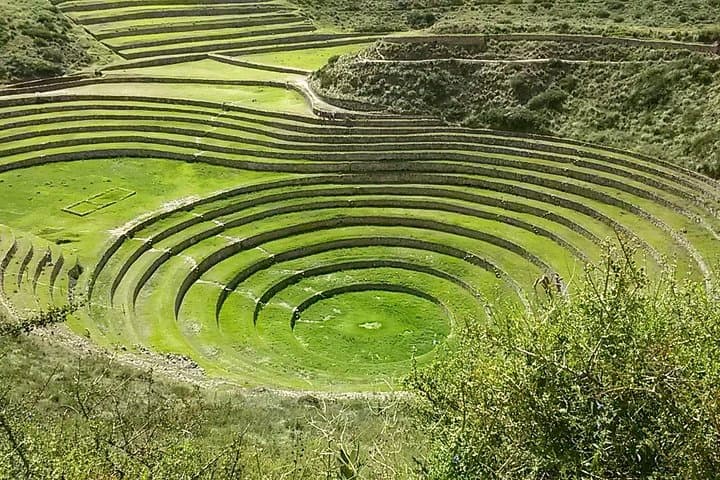
Those circles at Moray are not decorative — they are archaeological laboratories. The Inca engineered concentric terraces to test crops at different microclimates, exploiting slope, sun angle, and soil depth. The Salineras (salt mines) are fed by a salty spring and have been worked in artisanal fashion since pre-Columbian times, passing through Inca trade networks and into present-day family operations.
Culturally, the route crosses Chinchero’s market and weaving traditions where alpaca and natural-dye techniques remain a living craft. Geologically, the valley exposes sedimentary basins and fault-influenced springs that create the saline seepages used at Maras.
Practical notes: tours are typically five hours with short walks on uneven stone and dirt; altitude reaches roughly 3,300–3,600 m so move slowly, hydrate, and watch for sun and sudden weather. Admission to sites is often not included—carry cash if needed—and expect minimal facilities at viewpoints. Small-group departures (4–8 people) mean easier logistics and more time for photos, but wear sturdy shoes and layered clothing. Morning departures optimize light and drier trails; in the rainy season bring a packable rain shell.
easy.
5 hours.
Suitable for most fitness levels but expect short uphill/downhill walks and the effects of high altitude—basic stamina helps.
Most small-group tours do not include site entrance fees—confirm with your operator and carry local currency to pay admissions if required.
Sites sit above 3,000 m; take it slow, drink water, avoid heavy exertion on arrival day, and consider coca tea to ease mild symptoms.
Restrooms are limited; expect basic facilities in villages and near main viewpoints—plan accordingly.
Itineraries often include a brief stop at Chinchero for textiles and local markets, but shopping time is usually limited on half-day schedules.
Moray’s concentric terraces functioned as Inca agricultural experiments; Maras salt pans date to pre-Inca and Inca periods and supported regional trade.
The salt pans are still managed by local families—stay on marked paths and avoid contaminating pools; support local artisans to help sustain traditional practices.
Machupicchu Latin America operates guided outdoor trips and adventures with an emphasis on safety, stewardship, and memorable experiences.
A dusty minivan peels away from Cusco’s stone streets and climbs into a high plain where air thins and the landscape tightens into terraces and salt pans. In the morning light the Salineras glint like a cascade of shallow mirrors, each handcrafted pool reflecting sky and Andes ridgelines; nearby, concentric rings at Moray sit like an amphitheater carved into the earth, each terrace holding its own tiny climate.
A dusty minivan peels away from Cusco’s stone streets and climbs into a high plain where air thins and the landscape tightens into terraces and salt pans. In the morning light the Salineras glint like a cascade of shallow mirrors, each handcrafted pool reflecting sky and Andes ridgelines; nearby, concentric rings at Moray sit like an amphitheater carved into the earth, each terrace holding its own tiny climate.
Those circles at Moray are not decorative — they are archaeological laboratories. The Inca engineered concentric terraces to test crops at different microclimates, exploiting slope, sun angle, and soil depth. The Salineras (salt mines) are fed by a salty spring and have been worked in artisanal fashion since pre-Columbian times, passing through Inca trade networks and into present-day family operations.
Culturally, the route crosses Chinchero’s market and weaving traditions where alpaca and natural-dye techniques remain a living craft. Geologically, the valley exposes sedimentary basins and fault-influenced springs that create the saline seepages used at Maras.
Practical notes: tours are typically five hours with short walks on uneven stone and dirt; altitude reaches roughly 3,300–3,600 m so move slowly, hydrate, and watch for sun and sudden weather. Admission to sites is often not included—carry cash if needed—and expect minimal facilities at viewpoints. Small-group departures (4–8 people) mean easier logistics and more time for photos, but wear sturdy shoes and layered clothing. Morning departures optimize light and drier trails; in the rainy season bring a packable rain shell.