THE ADVENTURE COLLECTIVE® · Independent discovery and booking for outdoor travel

Short on time but eager to see classic Sacred Valley sites? This half-day tour pairs the concentric agricultural terraces of Moray with the shimmering salt pans at Maras — both offering cultural insight and dramatic Andean vistas in a single morning.
Short on time but eager to see classic Sacred Valley sites? This half-day tour pairs the concentric agricultural terraces of Moray with the shimmering salt pans at Maras — both offering cultural insight and dramatic Andean vistas in a single morning.
You step out of the van into thin, cool air and the Andes greet you with a wind that nudges at your layers. The road from Cusco traces high agricultural valleys; distant ridgelines cut the sky while terraced bowls below appear almost engineered by the clouds themselves. At Moray the earth folds into concentric agricultural terraces — broad, circular staircases carved into a natural amphitheater — where microclimates once let the Inca experiment with crops.
Verified experiences and guided adventures in the surrounding area.
Operated by Kantu Peru Tours · Maras, Cusco
You step out of the van into thin, cool air and the Andes greet you with a wind that nudges at your layers. The road from Cusco traces high agricultural valleys; distant ridgelines cut the sky while terraced bowls below appear almost engineered by the clouds themselves. At Moray the earth folds into concentric agricultural terraces — broad, circular staircases carved into a natural amphitheater — where microclimates once let the Inca experiment with crops.
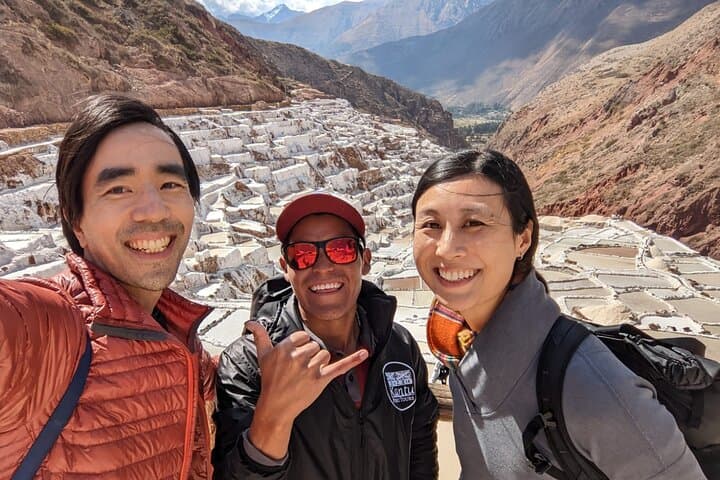
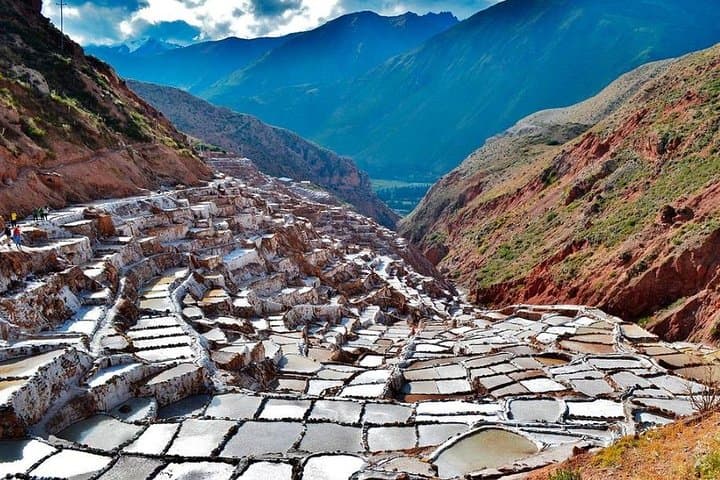
Nearby, the Salineras de Maras fan across a steep slope: thousands of shallow, salt-evaporation pans glinting in sunlight, still harvested by local families using methods handed down generations. Geologically this landscape sits on uplifted Andean strata where groundwater high in mineral salts reaches the surface; culturally, both sites link directly to Inca agricultural innovation and rural Quechua life.
Expect short, mostly flat walks with steps and uneven paths: Moray involves descents along stone stairs and viewpoints, Maras requires navigating narrow earthen walkways around the pans. Wear sturdy footwear, bring sun protection and small change for entrance fees (tickets often bought at the sites). Mornings are cooler and clearer; late afternoons can bring wind or brief rain, especially in the wet season.
Practical timing: the tour is 5–6 hours from Cusco with guided interpretation and photo stops. Altitude is significant (above 3,300 m); move deliberately, hydrate, and avoid heavy exertion on-site. The experience blends easy hiking, cultural context, and landscape geology — a compact introduction to the Sacred Valley’s living heritage.
easy.
5–6 hours.
Suitable for most travelers in basic fitness; requires ability to walk short uneven sections and descend/ascend stone steps.
No — entrance to Moray and the Salineras de Maras is typically paid on-site in Peruvian soles (prices vary; bring cash).
Sites sit above ~3,300 m; some visitors experience mild altitude effects — hydrate, eat lightly, and move slowly; consult a physician if you have concerns.
The tour involves short walks with some stairs and uneven paths; most older travelers can participate but should be steady on their feet and avoid fast descents.
Basic facilities and small food vendors may be available near parking areas, but vary — bring snacks and water for comfort.
Moray’s concentric terraces were likely Inca agricultural laboratories altering temperature bands; Maras salt pans have been harvested since pre-Inca times by local families.
Salt pans and terraces are fragile cultural landscapes managed by local communities — stick to designated paths, avoid littering, and respect working collectors.
Kantu Peru Tours operates guided outdoor trips and adventures with an emphasis on safety, stewardship, and memorable experiences.
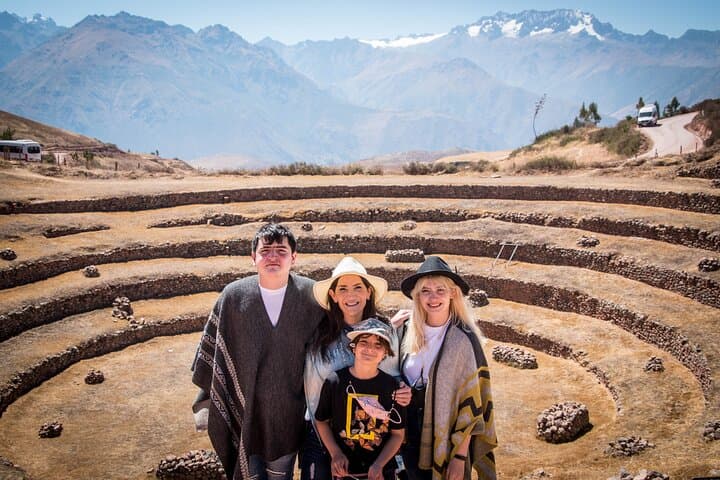
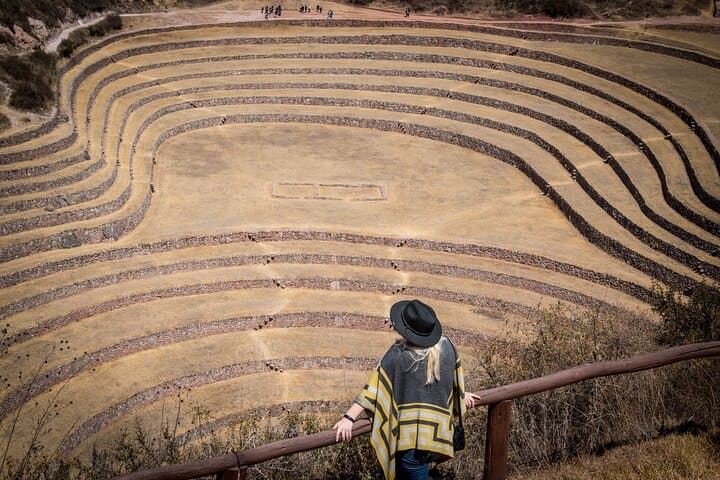
You step out of the van into thin, cool air and the Andes greet you with a wind that nudges at your layers. The road from Cusco traces high agricultural valleys; distant ridgelines cut the sky while terraced bowls below appear almost engineered by the clouds themselves. At Moray the earth folds into concentric agricultural terraces — broad, circular staircases carved into a natural amphitheater — where microclimates once let the Inca experiment with crops.
You step out of the van into thin, cool air and the Andes greet you with a wind that nudges at your layers. The road from Cusco traces high agricultural valleys; distant ridgelines cut the sky while terraced bowls below appear almost engineered by the clouds themselves. At Moray the earth folds into concentric agricultural terraces — broad, circular staircases carved into a natural amphitheater — where microclimates once let the Inca experiment with crops.
Nearby, the Salineras de Maras fan across a steep slope: thousands of shallow, salt-evaporation pans glinting in sunlight, still harvested by local families using methods handed down generations. Geologically this landscape sits on uplifted Andean strata where groundwater high in mineral salts reaches the surface; culturally, both sites link directly to Inca agricultural innovation and rural Quechua life.
Expect short, mostly flat walks with steps and uneven paths: Moray involves descents along stone stairs and viewpoints, Maras requires navigating narrow earthen walkways around the pans. Wear sturdy footwear, bring sun protection and small change for entrance fees (tickets often bought at the sites). Mornings are cooler and clearer; late afternoons can bring wind or brief rain, especially in the wet season.
Practical timing: the tour is 5–6 hours from Cusco with guided interpretation and photo stops. Altitude is significant (above 3,300 m); move deliberately, hydrate, and avoid heavy exertion on-site. The experience blends easy hiking, cultural context, and landscape geology — a compact introduction to the Sacred Valley’s living heritage.