THE ADVENTURE COLLECTIVE® · Independent discovery and booking for outdoor travel

Ride quad bikes from Cusco into the Sacred Valley to visit Moray’s circular agricultural terraces and the salt pans of Maras. This 6-hour private ATV tour mixes short technical trails, cultural stops and high-altitude vistas.
Ride quad bikes from Cusco into the Sacred Valley to visit Moray’s circular agricultural terraces and the salt pans of Maras. This 6-hour private ATV tour mixes short technical trails, cultural stops and high-altitude vistas.
You kick gravel on a cold highland morning as the quad hums beneath you and the valley opens—steep walls cut by the Urubamba, farms clinging to slopes, and the concentric bowls of Moray lowering like an amphitheater carved by careful hands.
Verified experiences and guided adventures in the surrounding area.
Operated by Viagens Machu Picchu · Cusco, Cusco
You kick gravel on a cold highland morning as the quad hums beneath you and the valley opens—steep walls cut by the Urubamba, farms clinging to slopes, and the concentric bowls of Moray lowering like an amphitheater carved by careful hands.
Moray’s stepped circles are more than scenic—they are an Inca agricultural laboratory where descending rings create measurable microclimates used to test crops. A short ride away, thousands of white salt pans at Maras spill down a hillside, fed by a natural saline spring and worked by families using methods rooted in pre-Columbian time.
Geology here is active: uplifted Andean strata, weathered volcanic soils and seasonal runoff create rocky tracks and gullies. Culture is present in village streets and terraced fields; guides often stop so riders can meet locals and buy handcrafted salt or textiles.
Expect 30–45 km of mixed off-road track over 3,200–3,600 m elevation with short, steep climbs (300–400 m cumulative gain) and sections of loose gravel and mud after rain. The route is lively—tight turns, rutted farm roads and open puna where wind pushes at you.
Practical guidance: acclimatize in Cusco for 24–48 hours, wear layers and sun protection, and choose closed-toe shoes with ankle support. The tour typically includes hotel pickup, bottled water, a boxed lunch, entrance to Maras and an English-speaking guide. Ride within your comfort zone, follow the guide’s safety briefing, and leave salt pans and platforms as you found them—these are working landscapes as much as they are sights.
moderate.
6 hours.
Moderate fitness—comfortable with several hours of active riding and short hikes at high altitude.
No formal experience is required; guides provide instruction and select routes to match rider ability, but basic vehicle handling and confidence is recommended.
Yes—most tours include admission to the Maras salt pans and a boxed lunch, plus bottled water and hotel pickup in Cusco.
The route sits roughly between 3,200–3,600 m (10,500–11,800 ft). Acclimatization and hydration reduce symptoms; consult your doctor if you have health concerns.
This is a private tour and guides typically work in Spanish, English or Portuguese—confirm language needs at booking.
Moray’s concentric terraces were engineered by the Incas to create microclimates for crop experimentation; Maras salt pans have been harvested since pre-Columbian times using natural saline springs.
These highland agro-ecosystems are fragile—stay on designated tracks, avoid contaminating salt ponds and support local businesses that practice sustainable harvesting.
Viagens Machu Picchu operates guided outdoor trips and adventures with an emphasis on safety, stewardship, and memorable experiences.
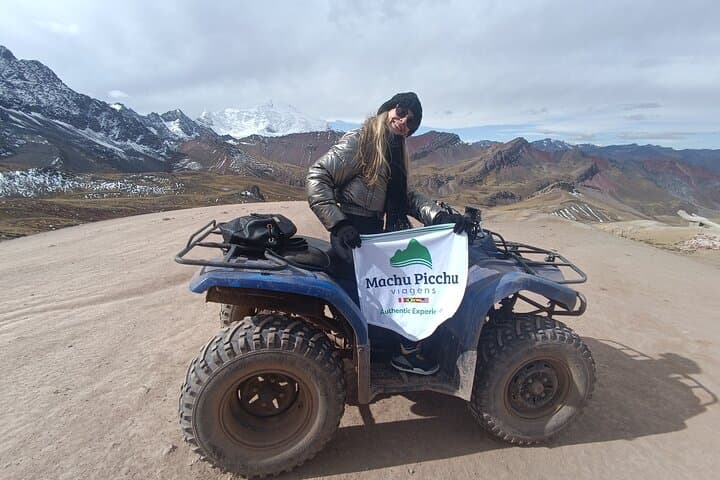
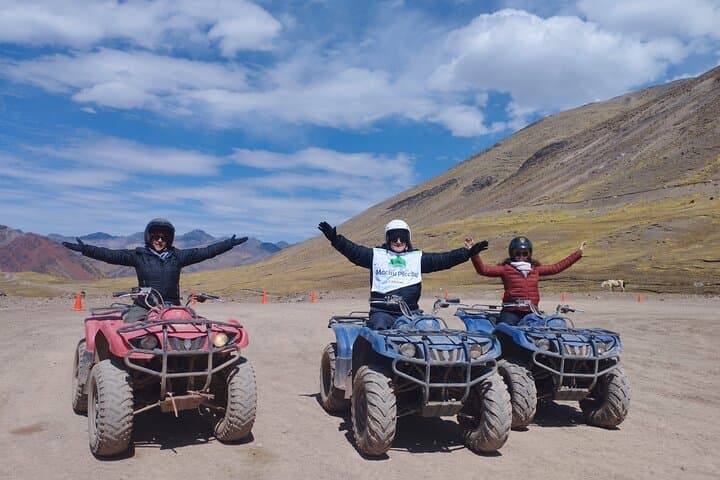
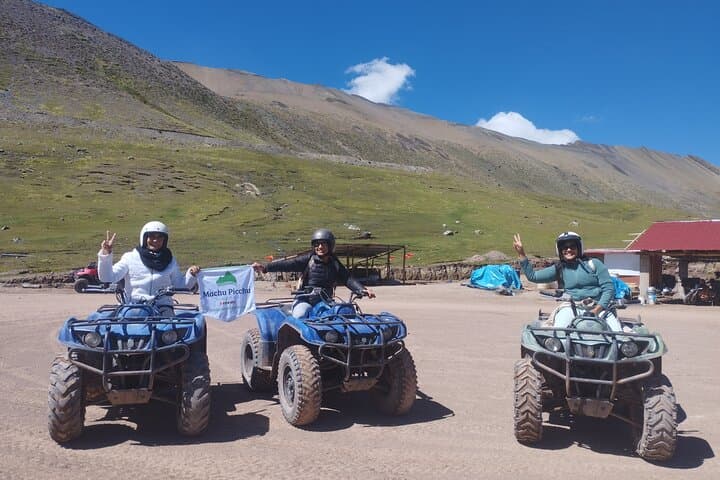
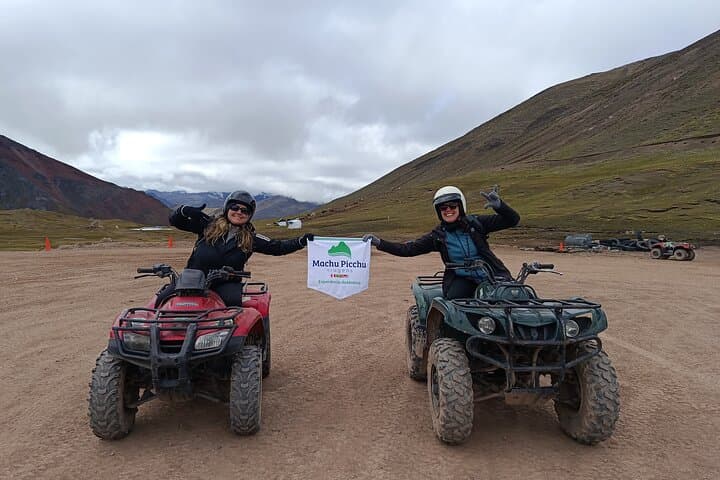
You kick gravel on a cold highland morning as the quad hums beneath you and the valley opens—steep walls cut by the Urubamba, farms clinging to slopes, and the concentric bowls of Moray lowering like an amphitheater carved by careful hands.
You kick gravel on a cold highland morning as the quad hums beneath you and the valley opens—steep walls cut by the Urubamba, farms clinging to slopes, and the concentric bowls of Moray lowering like an amphitheater carved by careful hands.
Moray’s stepped circles are more than scenic—they are an Inca agricultural laboratory where descending rings create measurable microclimates used to test crops. A short ride away, thousands of white salt pans at Maras spill down a hillside, fed by a natural saline spring and worked by families using methods rooted in pre-Columbian time.
Geology here is active: uplifted Andean strata, weathered volcanic soils and seasonal runoff create rocky tracks and gullies. Culture is present in village streets and terraced fields; guides often stop so riders can meet locals and buy handcrafted salt or textiles.
Expect 30–45 km of mixed off-road track over 3,200–3,600 m elevation with short, steep climbs (300–400 m cumulative gain) and sections of loose gravel and mud after rain. The route is lively—tight turns, rutted farm roads and open puna where wind pushes at you.
Practical guidance: acclimatize in Cusco for 24–48 hours, wear layers and sun protection, and choose closed-toe shoes with ankle support. The tour typically includes hotel pickup, bottled water, a boxed lunch, entrance to Maras and an English-speaking guide. Ride within your comfort zone, follow the guide’s safety briefing, and leave salt pans and platforms as you found them—these are working landscapes as much as they are sights.