THE ADVENTURE COLLECTIVE® · Independent discovery and booking for outdoor travel

Explore Moray’s concentric agricultural terraces and the glittering pools of Maras on a day trip from Cusco. This 7‑hour tour pairs Inca ingenuity with living salt‑work traditions—ideal for history-minded hikers who want clear views and practical logistics.
Explore Moray’s concentric agricultural terraces and the glittering pools of Maras on a day trip from Cusco. This 7‑hour tour pairs Inca ingenuity with living salt‑work traditions—ideal for history-minded hikers who want clear views and practical logistics.
You step out of the van into thin, cold air and the world opens into concentric terraces and a patchwork of shallow salt pans. Wind moves across the high valley like a deliberate hand, nudging clouds away from the rim of Moray’s vast circular depressions and sending a faint spray of salt crystals from Maras’ thousands of white pans.
Verified experiences and guided adventures in the surrounding area.
Operated by IZI PERU · Cusco, Cusco Region
You step out of the van into thin, cold air and the world opens into concentric terraces and a patchwork of shallow salt pans. Wind moves across the high valley like a deliberate hand, nudging clouds away from the rim of Moray’s vast circular depressions and sending a faint spray of salt crystals from Maras’ thousands of white pans.
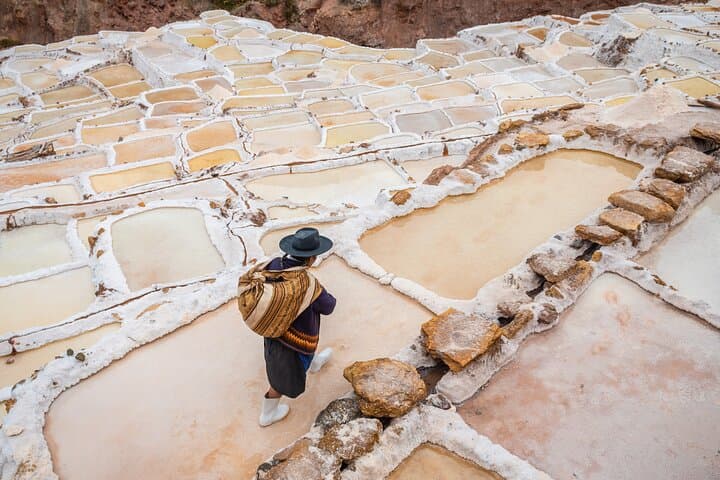
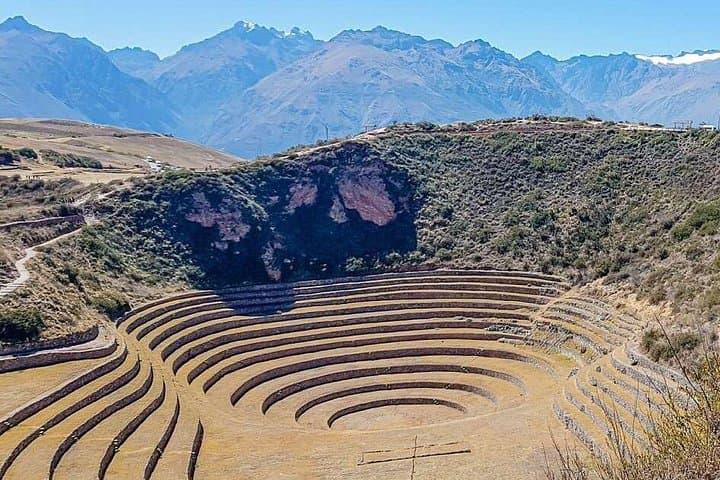
Moray is a singular Inca site: engineered concentric platforms cut into a natural sinkhole to create microclimates. Archaeologists believe the Incas experimented with crops there, using temperature differentials of up to 15°C between rim and bottom to test hardier strains. Nearby, the Salineras de Maras are a working pre-Columbian industry—some 3,000 small evaporation pools fed by a salty spring and harvested in thin crusts by local families for generations.
Geology here is straightforward—soft sedimentary layers and gentle erosion produced the depressions; human hands trimmed and irrigated them. Culture remains present: salt pans are privately managed and modest trade continues in the village.
Practicalities matter. Expect a full, roughly 7-hour outing with brief walks, short inclines and uneven stone terraces; the sites sit roughly 45–60 minutes from central Cusco. Bring layered clothing for dramatic temperature swings, sun protection, and ample water to cope with altitude. Respect local operations: avoid stepping in pans, carry out trash, and buy local salt if you can. Timing your visit for morning light improves photos and reduces afternoon winds—this is a day that balances quiet fieldwork with clear, ancient engineering.
easy.
6–8 hours.
Suitable for people in average fitness; expect short walks on uneven stone and mild elevation change
Moray admission is typically included on organized tours; Maras admission may not be included—check your booking and bring local currency for entrance fees or local access charges.
Moray and Maras are about 40–50 km from Cusco; travel time is roughly 45–75 minutes each way depending on traffic and route.
Yes—this itinerary is rated easy, but infants should sit on laps during transport and families should plan for sun and altitude precautions.
Yes—professional, government‑accredited guides are provided and tours typically include tourist transportation with drop‑off in central Cusco.
Moray and Maras illustrate Inca agricultural innovation: Moray served as an experimental center for crop acclimatization while Maras supplied salt to local communities since pre‑Inca times.
These sites are working cultural landscapes—stay on paths, respect private salt workers, and minimize waste to reduce impact on fragile terraces.
IZI PERU operates guided outdoor trips and adventures with an emphasis on safety, stewardship, and memorable experiences.
You step out of the van into thin, cold air and the world opens into concentric terraces and a patchwork of shallow salt pans. Wind moves across the high valley like a deliberate hand, nudging clouds away from the rim of Moray’s vast circular depressions and sending a faint spray of salt crystals from Maras’ thousands of white pans.
You step out of the van into thin, cold air and the world opens into concentric terraces and a patchwork of shallow salt pans. Wind moves across the high valley like a deliberate hand, nudging clouds away from the rim of Moray’s vast circular depressions and sending a faint spray of salt crystals from Maras’ thousands of white pans.
Moray is a singular Inca site: engineered concentric platforms cut into a natural sinkhole to create microclimates. Archaeologists believe the Incas experimented with crops there, using temperature differentials of up to 15°C between rim and bottom to test hardier strains. Nearby, the Salineras de Maras are a working pre-Columbian industry—some 3,000 small evaporation pools fed by a salty spring and harvested in thin crusts by local families for generations.
Geology here is straightforward—soft sedimentary layers and gentle erosion produced the depressions; human hands trimmed and irrigated them. Culture remains present: salt pans are privately managed and modest trade continues in the village.
Practicalities matter. Expect a full, roughly 7-hour outing with brief walks, short inclines and uneven stone terraces; the sites sit roughly 45–60 minutes from central Cusco. Bring layered clothing for dramatic temperature swings, sun protection, and ample water to cope with altitude. Respect local operations: avoid stepping in pans, carry out trash, and buy local salt if you can. Timing your visit for morning light improves photos and reduces afternoon winds—this is a day that balances quiet fieldwork with clear, ancient engineering.