THE ADVENTURE COLLECTIVE® · Independent discovery and booking for outdoor travel

Explore the pre-Inca agricultural terraces of Moray and the sun-baked salt pans of Maras on a half-day Sacred Valley tour. Learn how ancient irrigation and salt-harvesting techniques persist in living Quechua communities.
Explore the pre-Inca agricultural terraces of Moray and the sun-baked salt pans of Maras on a half-day Sacred Valley tour. Learn how ancient irrigation and salt-harvesting techniques persist in living Quechua communities.
You arrive on a wind-cut ridge above the Sacred Valley and below you the salt pans spread like a stepped mirror, each shallow pool catching the sun.
Verified experiences and guided adventures in the surrounding area.
Operated by Zarate Adventours · Maras, Cusco
You arrive on a wind-cut ridge above the Sacred Valley and below you the salt pans spread like a stepped mirror, each shallow pool catching the sun.
The tour moves from the crystalline white of Maras to the bowl-shaped terraces of Moray — concentric rings carved into the earth that look engineered by an otherworldly hand. These terraces are living archaeology: zoned microclimates where pre-Inca farmers tested crop varieties by elevation. The shallow salt ponds of Maras have been harvested since pre-Hispanic times using a gravity-fed spring that still feeds thousands of evaporation pans.
Geology here is straightforward and raw — uplifted Andes and cut-and-fill terraces that reveal layers of volcanic ash and alluvial soils. Culture sits on top of that geology: local Quechua communities maintain salt pools and sell hand-harvested blocks and textiles at roadside stalls, and ceremonial practice still threads through the landscape.
Expect easy walking on uneven paths, short inclines and wide viewpoints. Guides will explain terrace irrigation and salt extraction methods, and there’s time to photograph or buy directly from vendors. Altitude is the practical limiter — bring sun protection, drink water, and move deliberately; the high valley sun and thin air push exertion harder than at sea level.
Timing: mornings are cooler and less dusty; late afternoons bring warmer light on the terraces. Respect local labor: don’t cross pans or remove salt. With basic planning this half-day excursion is an accessible, tactile way to read Andean agricultural history under an expansive, shifting sky.
easy.
4–5 hours.
Suitable for most fitness levels; expect short uphill stretches and uneven footing at viewpoints.
This shared excursion runs about five hours door-to-door from Cusco, including travel time between sites.
Yes — walking is short and not technical, but consider altitude effects for sensitive travelers and children.
The tour description lists entrances as included, but confirm on booking to be certain local site fees are covered.
Yes — local families sell hand-harvested salt and woven goods at Maras and nearby markets; carry small bills.
Moray terraces functioned as agricultural test plots in pre-Inca and Inca periods; Maras salt pans predate the Incas and supported regional trade.
The salt pans and terraces are fragile cultural landscapes; stay on paths, avoid contaminating pans, and support local vendors to help maintain stewardship.
Zarate Adventours operates guided outdoor trips and adventures with an emphasis on safety, stewardship, and memorable experiences.
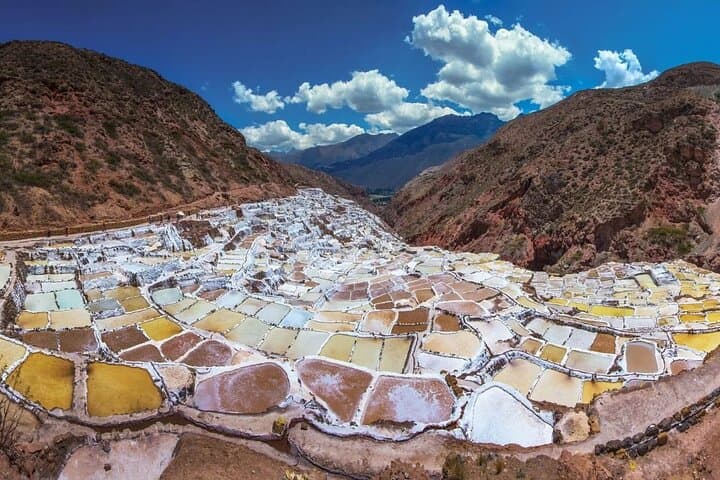
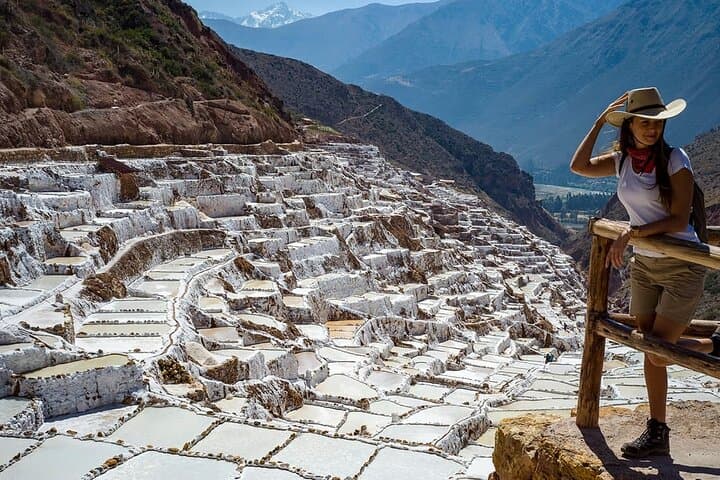
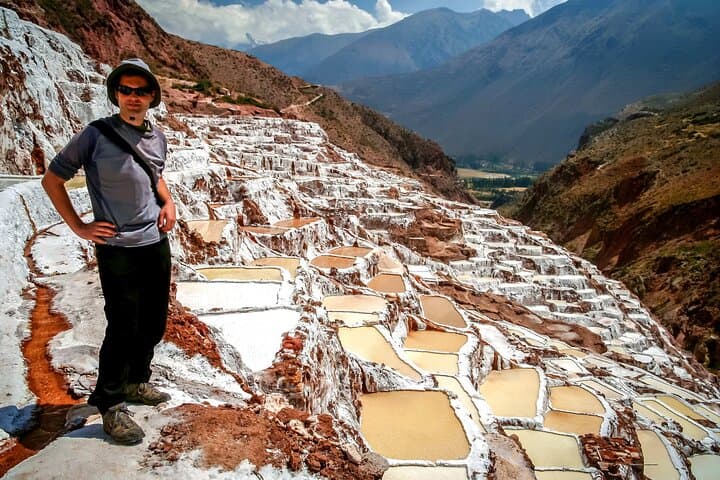
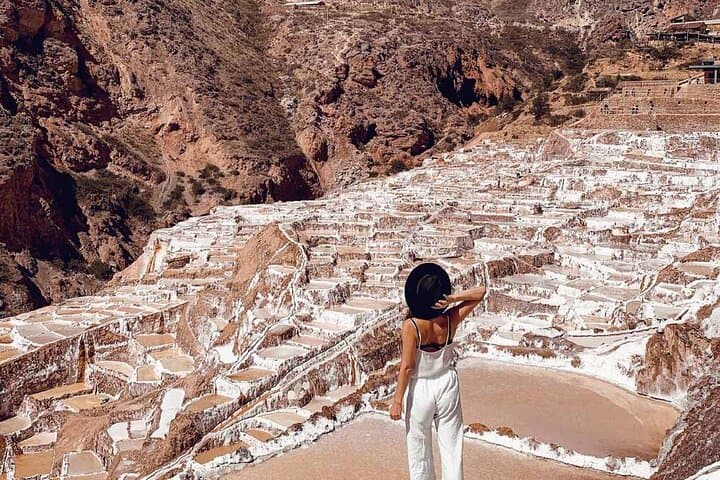
You arrive on a wind-cut ridge above the Sacred Valley and below you the salt pans spread like a stepped mirror, each shallow pool catching the sun.
You arrive on a wind-cut ridge above the Sacred Valley and below you the salt pans spread like a stepped mirror, each shallow pool catching the sun.
The tour moves from the crystalline white of Maras to the bowl-shaped terraces of Moray — concentric rings carved into the earth that look engineered by an otherworldly hand. These terraces are living archaeology: zoned microclimates where pre-Inca farmers tested crop varieties by elevation. The shallow salt ponds of Maras have been harvested since pre-Hispanic times using a gravity-fed spring that still feeds thousands of evaporation pans.
Geology here is straightforward and raw — uplifted Andes and cut-and-fill terraces that reveal layers of volcanic ash and alluvial soils. Culture sits on top of that geology: local Quechua communities maintain salt pools and sell hand-harvested blocks and textiles at roadside stalls, and ceremonial practice still threads through the landscape.
Expect easy walking on uneven paths, short inclines and wide viewpoints. Guides will explain terrace irrigation and salt extraction methods, and there’s time to photograph or buy directly from vendors. Altitude is the practical limiter — bring sun protection, drink water, and move deliberately; the high valley sun and thin air push exertion harder than at sea level.
Timing: mornings are cooler and less dusty; late afternoons bring warmer light on the terraces. Respect local labor: don’t cross pans or remove salt. With basic planning this half-day excursion is an accessible, tactile way to read Andean agricultural history under an expansive, shifting sky.