THE ADVENTURE COLLECTIVE® · Independent discovery and booking for outdoor travel

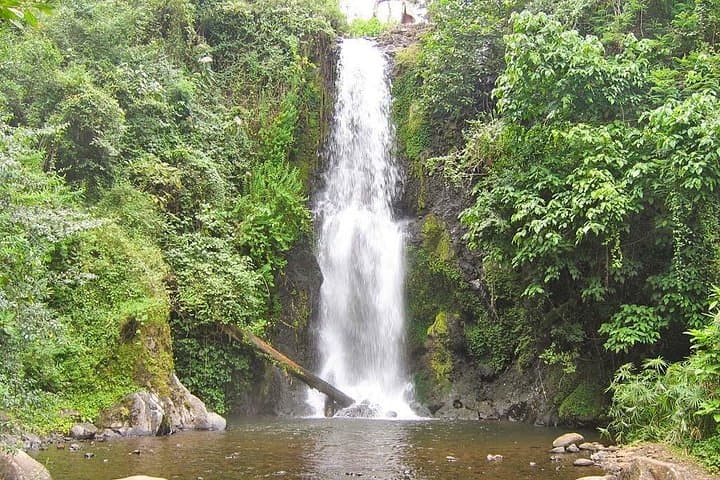
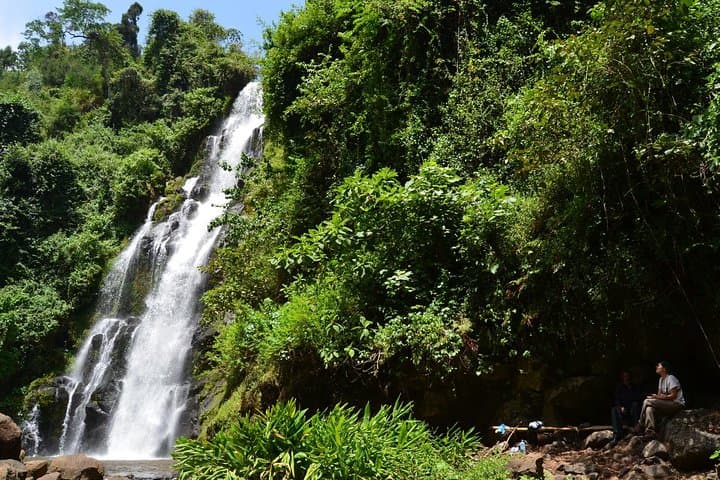
Walk coffee farms, enter Chagga caves, taste banana wine and end the day at a roaring waterfall on Kilimanjaro’s lower slopes. This full-day private tour mixes easy walks with hands-on cultural experiences and local food.
Walk coffee farms, enter Chagga caves, taste banana wine and end the day at a roaring waterfall on Kilimanjaro’s lower slopes. This full-day private tour mixes easy walks with hands-on cultural experiences and local food.
The trail begins where the rainforest leans away from Kilimanjaro’s lower slopes and the air smells of wet earth and fresh coffee. Banana groves and terraced fields push up to meet the forest, and the first waterfall announces itself with a distant, steady roar—water daring you closer. Over the course of a day you move between cultivated land and wild edge: village lanes that double as market streets, shaded coffee plots, and river-carved cascades.
Verified experiences and guided adventures in the surrounding area.
Operated by Incredible Africa Adventures · Marangu, Kilimanjaro
The trail begins where the rainforest leans away from Kilimanjaro’s lower slopes and the air smells of wet earth and fresh coffee. Banana groves and terraced fields push up to meet the forest, and the first waterfall announces itself with a distant, steady roar—water daring you closer. Over the course of a day you move between cultivated land and wild edge: village lanes that double as market streets, shaded coffee plots, and river-carved cascades.
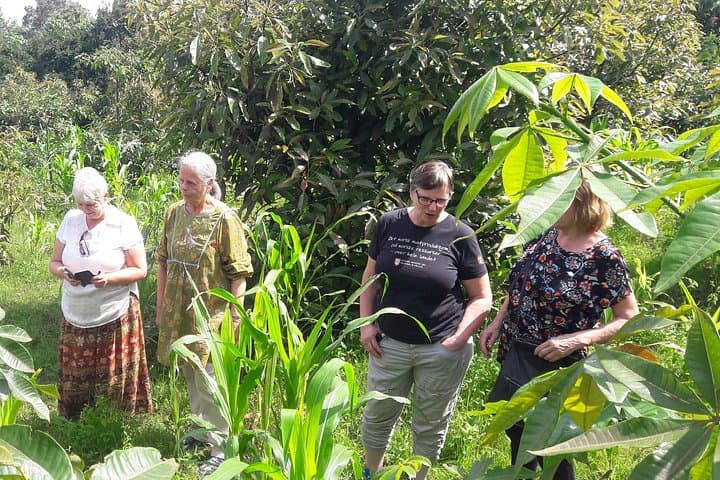
The Chagga people shaped this landscape for centuries, carving terraces and irrigation furrows into volcanic soils and building a culture around coffee and banana beer. Geologically, these slopes are old lava and ash deposits from Kilimanjaro’s long volcanic history; soil depth and steady moisture make the region unusually productive. Culturally, expect hands-on coffee processing demos, traditional food, and a chance to taste banana wine—local flavors explained by guides who grew up here.
Practically: this is a full-day, private tour with transport to and from Moshi or Marangu. Expect multiple short walks on uneven forest paths and farm tracks, with modest elevation changes (typically under ~400 m cumulative gain) and intermittent steep steps near waterfall viewpoints. Wear sturdy shoes, bring sun and rain protection, and carry at least 1.5 L of water (one bottle is provided on most tours). Plan for market stops and photo permissions—ask before photographing people. Mornings are best for drier trails and clearer views; afternoons can bring brief tropical showers. The experience balances easy walking with cultural depth—ideal for day travelers wanting both nature and local context.
easy.
10 hours.
Suitable for most fitness levels; requires repeated short walks and a few steeper stair-like sections.
Walking is intermittent throughout the day: most hikes are short (a few hundred meters to a couple of kilometers) between village stops and the waterfalls, with transportation linking sites.
Yes, the full-day tour includes a local lunch—often traditional Chagga dishes served in a village setting.
Yes; the tour is rated easy and suitable for a wide age range, though some short steep sections near falls may require care.
Bring some Tanzanian shillings for market purchases, tips, or small souvenirs; major cards are not widely accepted in villages.
The Chagga developed intensive terrace agriculture on Kilimanjaro’s slopes and were early adopters of Arabica coffee, which reshaped local economies in the 19th–20th centuries.
Support local guides and stay on paths to protect fragile terrace soils and riparian vegetation; tourism income helps fund community conservation and cultural programs.
Incredible Africa Adventures operates guided outdoor trips and adventures with an emphasis on safety, stewardship, and memorable experiences.
The trail begins where the rainforest leans away from Kilimanjaro’s lower slopes and the air smells of wet earth and fresh coffee. Banana groves and terraced fields push up to meet the forest, and the first waterfall announces itself with a distant, steady roar—water daring you closer. Over the course of a day you move between cultivated land and wild edge: village lanes that double as market streets, shaded coffee plots, and river-carved cascades.
The trail begins where the rainforest leans away from Kilimanjaro’s lower slopes and the air smells of wet earth and fresh coffee. Banana groves and terraced fields push up to meet the forest, and the first waterfall announces itself with a distant, steady roar—water daring you closer. Over the course of a day you move between cultivated land and wild edge: village lanes that double as market streets, shaded coffee plots, and river-carved cascades.
The Chagga people shaped this landscape for centuries, carving terraces and irrigation furrows into volcanic soils and building a culture around coffee and banana beer. Geologically, these slopes are old lava and ash deposits from Kilimanjaro’s long volcanic history; soil depth and steady moisture make the region unusually productive. Culturally, expect hands-on coffee processing demos, traditional food, and a chance to taste banana wine—local flavors explained by guides who grew up here.
Practically: this is a full-day, private tour with transport to and from Moshi or Marangu. Expect multiple short walks on uneven forest paths and farm tracks, with modest elevation changes (typically under ~400 m cumulative gain) and intermittent steep steps near waterfall viewpoints. Wear sturdy shoes, bring sun and rain protection, and carry at least 1.5 L of water (one bottle is provided on most tours). Plan for market stops and photo permissions—ask before photographing people. Mornings are best for drier trails and clearer views; afternoons can bring brief tropical showers. The experience balances easy walking with cultural depth—ideal for day travelers wanting both nature and local context.