THE ADVENTURE COLLECTIVE® · Independent discovery and booking for outdoor travel

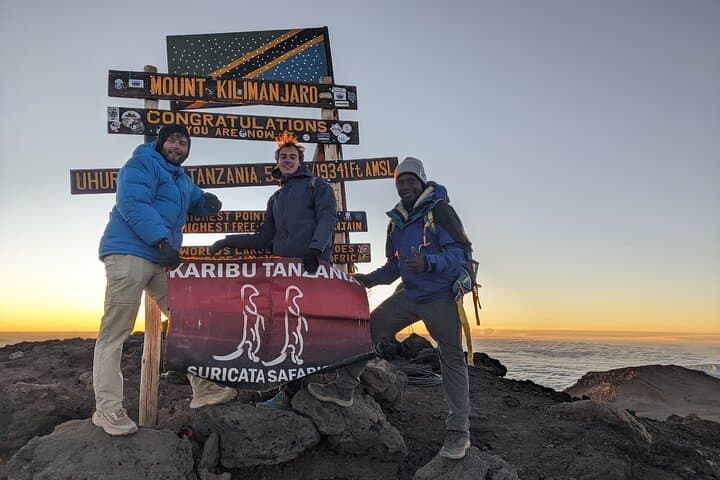
Climb Kilimanjaro via the classic Marangu (Coca-Cola) Route over five days — hut nights, steady acclimatization, and a midnight push to Uhuru Peak. This practical guide outlines what to expect, from terrain and huts to pacing and packing for summit success.
Climb Kilimanjaro via the classic Marangu (Coca-Cola) Route over five days — hut nights, steady acclimatization, and a midnight push to Uhuru Peak. This practical guide outlines what to expect, from terrain and huts to pacing and packing for summit success.
Dawn finds you breathing cool, thin air beneath Mawenzi’s jagged flank as the forest opens and the Marangu trail climbs away from the village. Mulched soil gives way to heather-lined moorland, then to the lunar gravel of the alpine desert — each step trading green canopies for sharper sky.
Verified experiences and guided adventures in the surrounding area.
Operated by Suricata Safaris · Moshi, Kilimanjaro Region
Dawn finds you breathing cool, thin air beneath Mawenzi’s jagged flank as the forest opens and the Marangu trail climbs away from the village. Mulched soil gives way to heather-lined moorland, then to the lunar gravel of the alpine desert — each step trading green canopies for sharper sky.
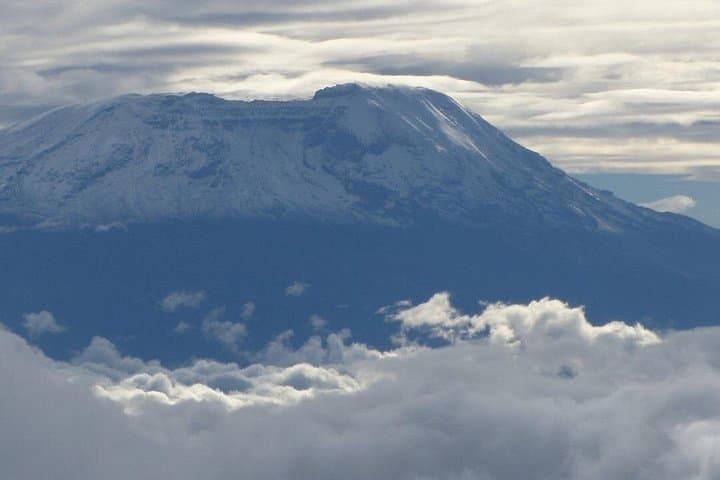
Marangu is the oldest and most established path to Uhuru Peak, the roof of Africa at 5,895 m (19,341 ft). The route threads historic Chagga farmland and cloud forest before crossing moorland dominated by giant groundsels and lobelias; geologically Kilimanjaro is a dormant stratovolcano whose glaciated summit records East Africa’s climatic shifts. Local culture remains visible in Marangu village and in the mountain porters’ rhythms — hospitality and efficient logistics that make hut-based nights possible.
Expect five days of steady ascent (roughly 50–60 km roundtrip) with cumulative elevation gain around 4,000 m. Daily hiking ranges from about 4–8 hours as outlined in a standard Marangu 5-day itinerary: Mandara Hut, Horombo, Kibo, summit (midnight push) and return. Huts offer basic bunks and communal cooking; weather at altitude is austere and changes fast.
Practical guide: prioritize acclimatization, keep a slow summit cadence, and carry layered technical clothing, a warm sleeping bag rated for -10°C or lower, and high-calorie snacks. Hydrate early and often, follow your guide’s pace, and plan for early starts and cold summit-night conditions. Respect park rules, tip porters fairly, and prepare for slippery descents through the cloud forest on the final day.
challenging.
5 days.
Moderate to strong aerobic fitness with experience on multi-day hikes; able to hike 4–8 hours a day carrying a daypack.
Marangu is considered more accessible because of hut accommodation and a gradual profile, but it still requires good fitness and acclimatization—5 days is tight, and altitude sickness remains a risk.
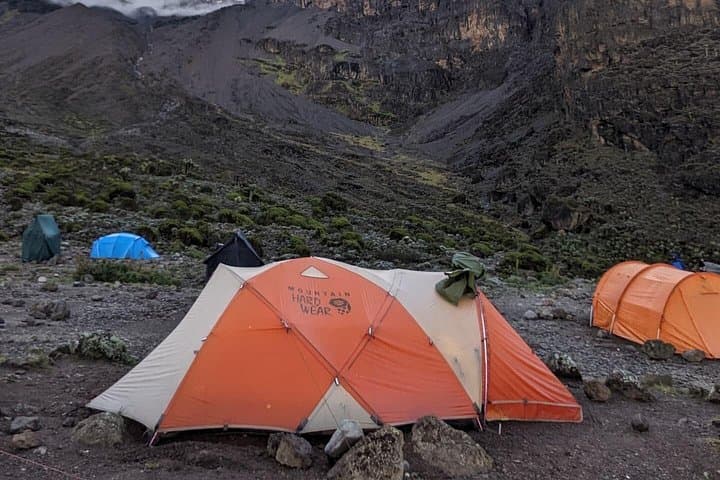
Huts are A-frame dormitories with mattresses and communal dining; expect basic facilities, shared sleeping quarters, and sometimes basic solar lighting and pit toilets.
Many climbers succeed on 5 days, but summit success depends on fitness, acclimatization response, weather, and following pacing advice from guides.
Yes—bring a warm sleeping bag, liner, personal toiletries, headlamp, and clothing layers; some items can be rented in Moshi but quality matters at altitude.
Kilimanjaro is a dormant volcanic massif formed from three cones (Kibo, Mawenzi, Shira); the mountain and surrounding land are central to the Chagga people’s history and agriculture.
Kilimanjaro National Park is a protected area—stay on marked trails, pack out waste, and support local guides and ethical operators to reduce environmental impact.
Suricata Safaris operates guided outdoor trips and adventures with an emphasis on safety, stewardship, and memorable experiences.

Dawn finds you breathing cool, thin air beneath Mawenzi’s jagged flank as the forest opens and the Marangu trail climbs away from the village. Mulched soil gives way to heather-lined moorland, then to the lunar gravel of the alpine desert — each step trading green canopies for sharper sky.
Dawn finds you breathing cool, thin air beneath Mawenzi’s jagged flank as the forest opens and the Marangu trail climbs away from the village. Mulched soil gives way to heather-lined moorland, then to the lunar gravel of the alpine desert — each step trading green canopies for sharper sky.
Marangu is the oldest and most established path to Uhuru Peak, the roof of Africa at 5,895 m (19,341 ft). The route threads historic Chagga farmland and cloud forest before crossing moorland dominated by giant groundsels and lobelias; geologically Kilimanjaro is a dormant stratovolcano whose glaciated summit records East Africa’s climatic shifts. Local culture remains visible in Marangu village and in the mountain porters’ rhythms — hospitality and efficient logistics that make hut-based nights possible.
Expect five days of steady ascent (roughly 50–60 km roundtrip) with cumulative elevation gain around 4,000 m. Daily hiking ranges from about 4–8 hours as outlined in a standard Marangu 5-day itinerary: Mandara Hut, Horombo, Kibo, summit (midnight push) and return. Huts offer basic bunks and communal cooking; weather at altitude is austere and changes fast.
Practical guide: prioritize acclimatization, keep a slow summit cadence, and carry layered technical clothing, a warm sleeping bag rated for -10°C or lower, and high-calorie snacks. Hydrate early and often, follow your guide’s pace, and plan for early starts and cold summit-night conditions. Respect park rules, tip porters fairly, and prepare for slippery descents through the cloud forest on the final day.