THE ADVENTURE COLLECTIVE® · Independent discovery and booking for outdoor travel

Hike the classic Marangu Route over six days: rainforest, moorland, alpine desert and a midnight summit push to Uhuru Peak. Dormitory huts, an acclimatization day and professional guides make this a compelling option for determined trekkers.
Hike the classic Marangu Route over six days: rainforest, moorland, alpine desert and a midnight summit push to Uhuru Peak. Dormitory huts, an acclimatization day and professional guides make this a compelling option for determined trekkers.
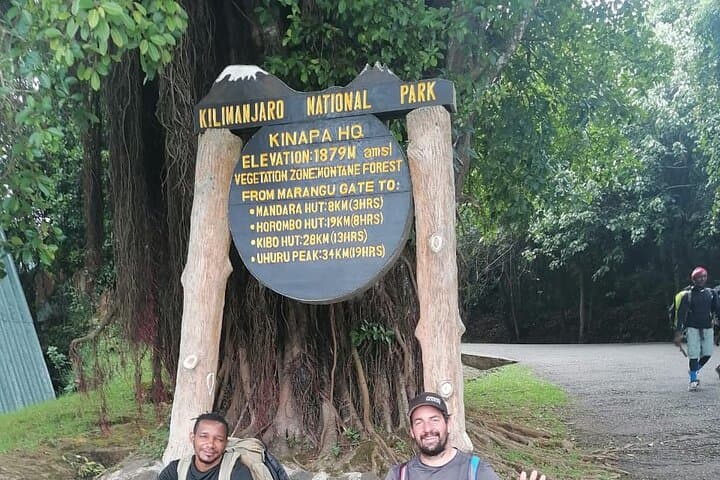
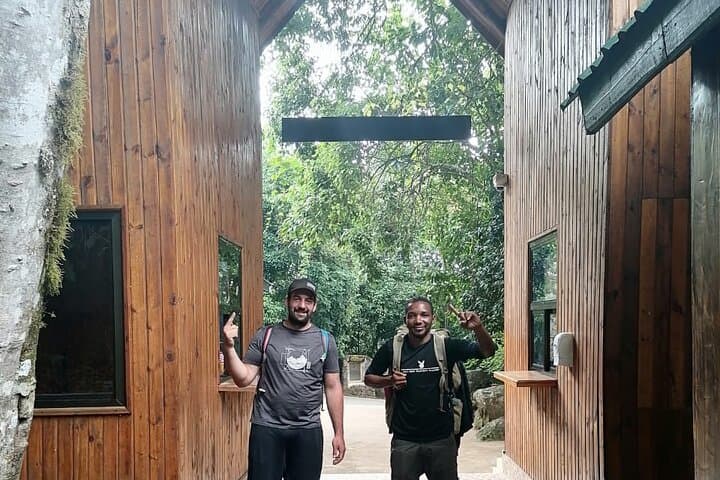
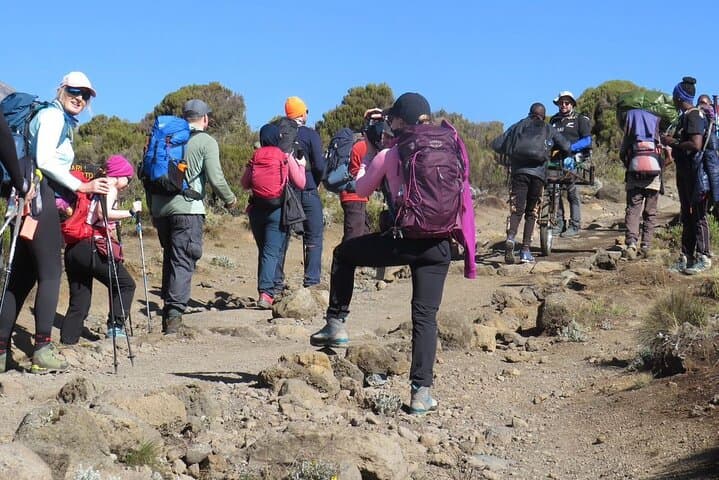
The trail opens in a humid forest that seems to breathe as you step through a curtain of moss and towering eucalyptus. Morning light finds Colobus monkeys leaping between trunks while guides sort gear outside Mandara Hut; by day four the forest gives way to lobelia-dotted moorland and then to a stark alpine desert that dares you onward toward Kibo's crest.
Verified experiences and guided adventures in the surrounding area.
Operated by Moshi Treks · Moshi, Kilimanjaro Region
The trail opens in a humid forest that seems to breathe as you step through a curtain of moss and towering eucalyptus. Morning light finds Colobus monkeys leaping between trunks while guides sort gear outside Mandara Hut; by day four the forest gives way to lobelia-dotted moorland and then to a stark alpine desert that dares you onward toward Kibo's crest.
Marangu is the oldest established route on Kilimanjaro and the one often called the Coca-Cola route because of its relatively direct ascent and hut-based accommodations. Geologically Kibo is a dormant volcanic cone with glaciated ridgelines; the summit, Uhuru Peak (5,895 m), sits on hardened lava and loose scree that challenges footing. Locally, the mountain is central to the Chagga people's history—its slopes irrigating farms and shaping local stories about weather and guardianship.
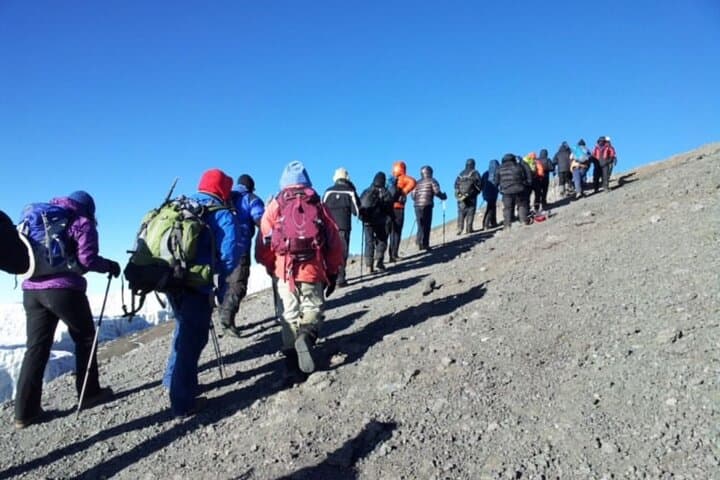
Practical guidance: expect roughly 60–65 km round-trip with ~4,000 m of elevation gain, spread over six days with a built-in acclimatization day at Horombo Hut. Treks move from humid, muddy trails into high, thin air; the summit push begins between midnight and 2 a.m., climbing steep scree and possible snow to Gilman's Point and Uhuru. Dormitory-style huts provide shelter and communal meals; guides, cooks and porters handle logistics but pack light and bring layers. Hydration, slow pacing, and respect for altitude are the best predictors of success. Footwear with strong ankle support, gaiters for the wet lower sections, and a reliable headlamp for the summit night are essential. The route rewards steady breathing and patience: every change in terrain reveals a different face of the mountain and a new reason to keep moving.
challenging.
5–7 days.
You should have strong cardiovascular fitness and experience with multi-day hikes; train on long ascents and back-to-back walking days.
Success varies by fitness and acclimatization; Marangu is considered easier technically but overall success depends on how well you acclimatize—allow the full six days and follow guides' pacing.
Yes—dormitory-style huts provide bunk beds and communal dining; facilities are basic, and hot showers are limited or unavailable at higher huts.
Ascend slowly, hydrate, eat well, use the scheduled acclimatization day, and inform guides immediately if symptoms develop; supplemental oxygen or descent are the standard responses to severe symptoms.
Typical inclusions are park and government fees, hut accommodation, meals as listed, filtered water, guides, cooks and porters, and private transport to/from Moshi—confirm specifics with the operator.
Kilimanjaro has been central to Chagga culture and agriculture for centuries; colonial-era mountaineering popularized routes like Marangu in the early 20th century.
Kilimanjaro National Park manages foot traffic via permits and fees; follow Leave No Trace, use provided water stations and support ethical porter wages.
Moshi Treks operates guided outdoor trips and adventures with an emphasis on safety, stewardship, and memorable experiences.
The trail opens in a humid forest that seems to breathe as you step through a curtain of moss and towering eucalyptus. Morning light finds Colobus monkeys leaping between trunks while guides sort gear outside Mandara Hut; by day four the forest gives way to lobelia-dotted moorland and then to a stark alpine desert that dares you onward toward Kibo's crest.
The trail opens in a humid forest that seems to breathe as you step through a curtain of moss and towering eucalyptus. Morning light finds Colobus monkeys leaping between trunks while guides sort gear outside Mandara Hut; by day four the forest gives way to lobelia-dotted moorland and then to a stark alpine desert that dares you onward toward Kibo's crest.
Marangu is the oldest established route on Kilimanjaro and the one often called the Coca-Cola route because of its relatively direct ascent and hut-based accommodations. Geologically Kibo is a dormant volcanic cone with glaciated ridgelines; the summit, Uhuru Peak (5,895 m), sits on hardened lava and loose scree that challenges footing. Locally, the mountain is central to the Chagga people's history—its slopes irrigating farms and shaping local stories about weather and guardianship.
Practical guidance: expect roughly 60–65 km round-trip with ~4,000 m of elevation gain, spread over six days with a built-in acclimatization day at Horombo Hut. Treks move from humid, muddy trails into high, thin air; the summit push begins between midnight and 2 a.m., climbing steep scree and possible snow to Gilman's Point and Uhuru. Dormitory-style huts provide shelter and communal meals; guides, cooks and porters handle logistics but pack light and bring layers. Hydration, slow pacing, and respect for altitude are the best predictors of success. Footwear with strong ankle support, gaiters for the wet lower sections, and a reliable headlamp for the summit night are essential. The route rewards steady breathing and patience: every change in terrain reveals a different face of the mountain and a new reason to keep moving.