THE ADVENTURE COLLECTIVE® · Independent discovery and booking for outdoor travel

Take the classic Marangu Route to Uhuru Peak on a six-day, hut‑based ascent of Kilimanjaro. This guide outlines the route’s terrain, cultural context, and practical tips—from acclimatization to gear—so you can plan a safer, smarter summit attempt.
Take the classic Marangu Route to Uhuru Peak on a six-day, hut‑based ascent of Kilimanjaro. This guide outlines the route’s terrain, cultural context, and practical tips—from acclimatization to gear—so you can plan a safer, smarter summit attempt.
Night air on Kilimanjaro tastes like driven dust and boiled tea—cold at elevation, humid lower down—when you step off the jeep at Marangu Gate and set foot into the rainforest.
Verified experiences and guided adventures in the surrounding area.
Operated by Mafie Adventures · Moshi, Kilimanjaro Region
Night air on Kilimanjaro tastes like driven dust and boiled tea—cold at elevation, humid lower down—when you step off the jeep at Marangu Gate and set foot into the rainforest.
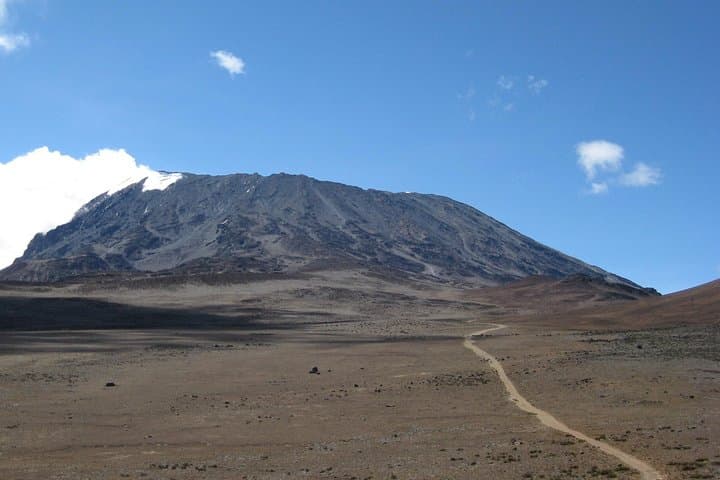
The Marangu Route threads the mountain’s eastern flank: moss-draped montane forest climbs to moorland, then opens into a stark alpine desert before the final push to the crater rim and Uhuru Peak. Known historically as the “Tourist” or “Coca‑Cola” route because of hut accommodations and on-mountain sales, Marangu has long been the classic path for guided summit attempts.
Geologically, Kilimanjaro is a three-peaked volcanic massif (Kibo, Mawenzi, Shira) built by successive eruptions; on the trek you cross deep ecological bands formed by elevation—each with distinct plant life, from giant lobelia in the heath to scree fields above 4,500 m.
Culturally, the Chagga people farm the lower slopes; many guides, porters, and hut staff are Chagga or Meru, and their song-and-dance celebrations at descent are part of the itinerary.
Practically: this six-day itinerary spaces acclimatization with a rest day at Horombo Hut and a late-night summit push from Kibo Hut. Expect muddy trails and rain in the forest, freezing nights at higher huts, and loose volcanic scree near the summit. Bring layering systems, a warm sleeping bag, and blister‑resistant boots. Hydrate steadily, pace conservatively on summit night, and rely on experienced guides and porters for logistics and safety. With proper preparation the Marangu Route offers a direct, well-supported route to Africa’s highest peak.
challenging.
5–7 days.
Good aerobic base and regular hiking experience recommended; be prepared for long days and sleep‑deprived summit push.
No technical climbing skills are required on the Marangu Route; however, good fitness and experience with multi‑day hikes at altitude improve your chances of success.
Yes—this route uses shared sleeping huts with bunk beds, solar lighting, and communal dining; conditions are basic and temperatures drop below freezing at higher huts.
Altitude sickness is possible for anyone; the itinerary includes an acclimatization day at Horombo, so ascend slowly, hydrate, avoid alcohol, and inform guides of symptoms early.
Dry months (June–October) are most reliable for weather; short dry windows in January–February also work but expect more crowds in peak season.
Kilimanjaro’s peaks are remnants of volcanic activity; the Chagga people have long cultivated the fertile lower slopes and supply much of the guided infrastructure.
Tanzania National Parks manage Kilimanjaro with strict trail rules and waste controls—stay on marked paths, use provided latrines, and minimize single-use plastics.
Mafie Adventures operates guided outdoor trips and adventures with an emphasis on safety, stewardship, and memorable experiences.


Night air on Kilimanjaro tastes like driven dust and boiled tea—cold at elevation, humid lower down—when you step off the jeep at Marangu Gate and set foot into the rainforest.
Night air on Kilimanjaro tastes like driven dust and boiled tea—cold at elevation, humid lower down—when you step off the jeep at Marangu Gate and set foot into the rainforest.
The Marangu Route threads the mountain’s eastern flank: moss-draped montane forest climbs to moorland, then opens into a stark alpine desert before the final push to the crater rim and Uhuru Peak. Known historically as the “Tourist” or “Coca‑Cola” route because of hut accommodations and on-mountain sales, Marangu has long been the classic path for guided summit attempts.
Geologically, Kilimanjaro is a three-peaked volcanic massif (Kibo, Mawenzi, Shira) built by successive eruptions; on the trek you cross deep ecological bands formed by elevation—each with distinct plant life, from giant lobelia in the heath to scree fields above 4,500 m.
Culturally, the Chagga people farm the lower slopes; many guides, porters, and hut staff are Chagga or Meru, and their song-and-dance celebrations at descent are part of the itinerary.
Practically: this six-day itinerary spaces acclimatization with a rest day at Horombo Hut and a late-night summit push from Kibo Hut. Expect muddy trails and rain in the forest, freezing nights at higher huts, and loose volcanic scree near the summit. Bring layering systems, a warm sleeping bag, and blister‑resistant boots. Hydrate steadily, pace conservatively on summit night, and rely on experienced guides and porters for logistics and safety. With proper preparation the Marangu Route offers a direct, well-supported route to Africa’s highest peak.