THE ADVENTURE COLLECTIVE® · Independent discovery and booking for outdoor travel

Walk Maputo’s center in two hours and encounter the cathedral, the Casa de Ferro, Praça da Independência and the busy Central Market. This guided urban stroll mixes architecture, local life, and practical insights for first-time visitors.
Walk Maputo’s center in two hours and encounter the cathedral, the Casa de Ferro, Praça da Independência and the busy Central Market. This guided urban stroll mixes architecture, local life, and practical insights for first-time visitors.
Morning light slides over Praça da Independência and the city wakes with a low, inevitable hum: vendors arranging fruit, a distant honk from the port, the Indian Ocean breeze pushing heat inland. On this two-hour walking exploration the city reveals itself in full color—art deco facades, colonial-era government buildings, and the compact energy of the Central Market.
Verified experiences and guided adventures in the surrounding area.
Operated by Opatrip.com Mozambique · Maputo, Maputo Province
Morning light slides over Praça da Independência and the city wakes with a low, inevitable hum: vendors arranging fruit, a distant honk from the port, the Indian Ocean breeze pushing heat inland. On this two-hour walking exploration the city reveals itself in full color—art deco facades, colonial-era government buildings, and the compact energy of the Central Market.
Maputo’s streets trace layers of history: centuries of Makua and Sena influence, Portuguese colonial planning, and 20th‑century modernist experiments. Geologically the city sits on a flat coastal plain formed by river sediments flowing into Maputo Bay; the coastline and harbor shape the breeze and the city's trade history. Culture here is tactile—cafés where Portuguese and Mozambican flavors mix, small theaters echoing Frelimo-era performances, and the Casa de Ferro, an iron-clad curiosity attributed to Gustave Eiffel, that speaks to global architectural exchanges.
Expect mostly paved roads and broad sidewalks with occasional cobbles; elevation change is negligible, but surfaces can be uneven. The tour stops at the cathedral, the French cultural center, historic colonial buildings and the lively Central Market—each stop is 15–20 minutes of commentary and atmosphere.
Practical edge: go early to avoid midday heat and market crowds, carry water and small-denomination metical for purchases, and wear comfortable shoes with good soles. Keep copies of travel documents and a small daypack for purchases. A local guide adds context that maps and photos can’t—history, architecture, and the everyday rhythms that make Maputo more than a postcard.
easy.
2 hours.
Suitable for most fitness levels; requires standing and walking on paved and uneven surfaces for two hours.
The tour runs about two hours at an easy, conversational walking pace with short stops of 15–20 minutes at each landmark.
This walking experience focuses on exteriors and guided commentary; admission fees to paid attractions are typically not included unless noted.
Yes—it's rated easy and appropriate for a wide range of ages, but participants should be comfortable walking for up to two hours and navigating uneven sidewalks.
Guides commonly speak Portuguese and English; meeting details are provided at booking and are usually in central Maputo near Praça da Independência or the market entrance.
Maputo was shaped by centuries of trade and colonial rule; many civic buildings date to Portuguese administration in the late 19th and early 20th centuries and reflect eclectic European influences.
As an urban coastal center, Maputo faces challenges from coastal development and waste management—support local vendors and avoid single‑use plastics when possible.
Opatrip.com Mozambique operates guided outdoor trips and adventures with an emphasis on safety, stewardship, and memorable experiences.

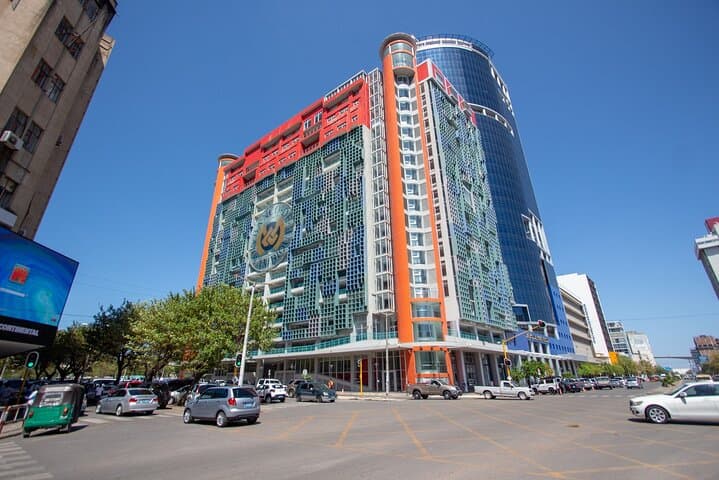

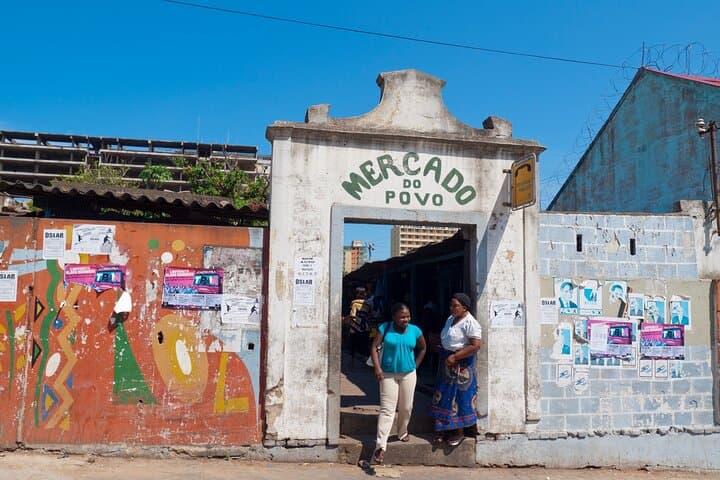
Morning light slides over Praça da Independência and the city wakes with a low, inevitable hum: vendors arranging fruit, a distant honk from the port, the Indian Ocean breeze pushing heat inland. On this two-hour walking exploration the city reveals itself in full color—art deco facades, colonial-era government buildings, and the compact energy of the Central Market.
Morning light slides over Praça da Independência and the city wakes with a low, inevitable hum: vendors arranging fruit, a distant honk from the port, the Indian Ocean breeze pushing heat inland. On this two-hour walking exploration the city reveals itself in full color—art deco facades, colonial-era government buildings, and the compact energy of the Central Market.
Maputo’s streets trace layers of history: centuries of Makua and Sena influence, Portuguese colonial planning, and 20th‑century modernist experiments. Geologically the city sits on a flat coastal plain formed by river sediments flowing into Maputo Bay; the coastline and harbor shape the breeze and the city's trade history. Culture here is tactile—cafés where Portuguese and Mozambican flavors mix, small theaters echoing Frelimo-era performances, and the Casa de Ferro, an iron-clad curiosity attributed to Gustave Eiffel, that speaks to global architectural exchanges.
Expect mostly paved roads and broad sidewalks with occasional cobbles; elevation change is negligible, but surfaces can be uneven. The tour stops at the cathedral, the French cultural center, historic colonial buildings and the lively Central Market—each stop is 15–20 minutes of commentary and atmosphere.
Practical edge: go early to avoid midday heat and market crowds, carry water and small-denomination metical for purchases, and wear comfortable shoes with good soles. Keep copies of travel documents and a small daypack for purchases. A local guide adds context that maps and photos can’t—history, architecture, and the everyday rhythms that make Maputo more than a postcard.