THE ADVENTURE COLLECTIVE® · Independent discovery and booking for outdoor travel

Three days inside Maputo Special Reserve pairs coastal landscapes with recovering wildlife populations — think elephant herds, mangrove estuaries and starry nights at camp. Practical game drives, guided walks and simple overnight camping make this a compact, wildlife-focused escape from Maputo.
Three days inside Maputo Special Reserve pairs coastal landscapes with recovering wildlife populations — think elephant herds, mangrove estuaries and starry nights at camp. Practical game drives, guided walks and simple overnight camping make this a compact, wildlife-focused escape from Maputo.
The sun lifts over a flat, ocean-tinged horizon as your vehicle slips off the asphalt and onto red, dust-scored tracks — the Indian Ocean hovers to the east while savanna plains stretch west, dotted with knobbly mopane and the slow silhouettes of elephants. Morning bird song competes with the distant trumpet of a bull; nights bring star-splintered skies and the crackle of a communal fire at camp.
Verified experiences and guided adventures in the surrounding area.
Operated by Across Africa Tours LLC · Maputo, Maputo Province
The sun lifts over a flat, ocean-tinged horizon as your vehicle slips off the asphalt and onto red, dust-scored tracks — the Indian Ocean hovers to the east while savanna plains stretch west, dotted with knobbly mopane and the slow silhouettes of elephants. Morning bird song competes with the distant trumpet of a bull; nights bring star-splintered skies and the crackle of a communal fire at camp.
Maputo Special Reserve (formerly the Maputo Elephant Reserve) occupies coastal lowlands where marine and terrestrial ecosystems meet. The landscape is a mix of sandy coastline, mangrove estuaries, coastal dunes and seasonally flooded plains shaped by ancient river channels and tidal influence. The reserve’s recent ecological recovery is the result of cross-border wildlife corridors linking Mozambique with South Africa and Eswatini, reviving populations of pachyderms and other large mammals. Local communities around Maputo add cultural texture — fishing villages, small markets and traditional coastal cuisine influence the meals you’ll eat at camp.
Practically, expect game drives timed to dawn and dusk, walks of limited distance in shade, and simple safari camp accommodation with meals included. Bring binoculars, sunscreen and layered clothing for cool nights. Hydrate before and during excursions; keep a respectful distance from wildlife and follow guides’ instructions. Roads can be sandy and bumpy; motion tolerance helps. Park fees are handled in advance or at entry; cash and digital options vary.
This trip blends coastal scenery with classic African plains wildlife, delivering close encounters with elephants, coastal birdlife and the slow rhythm of the reserve — accessible, immersive, and driven by the steady work of conservation.
easy.
3 days (approx. 72 hours).
Suitable for travelers with basic mobility; ability to board safari vehicles and walk short distances required.
The itinerary uses basic safari camp accommodation inside or near the reserve with communal dining and limited facilities; expect simple comforts rather than luxury lodges.
Malaria risk exists in coastal Mozambique; consult a travel health clinic about prophylaxis and use mosquito protection at camp.
Park fees are listed among inclusions, but confirm whether any local levies or optional activities require extra payment on arrival.
Pickup from Maputo accommodations is typically included early on day one; confirm your exact pickup point and time when booking.
The area, once designated for elephant protection, has been reinforced by transfrontier conservation efforts linking Mozambique with neighboring South Africa and Eswatini, aiding wildlife recovery.
Cross-border wildlife corridors and targeted anti-poaching patrols have been key to the reserve’s rebound; visitors help by supporting low-impact tourism and following guide protocols.
Across Africa Tours LLC operates guided outdoor trips and adventures with an emphasis on safety, stewardship, and memorable experiences.
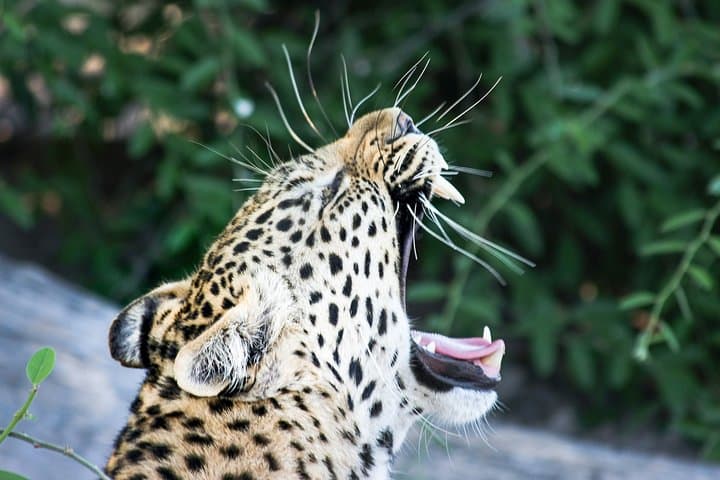
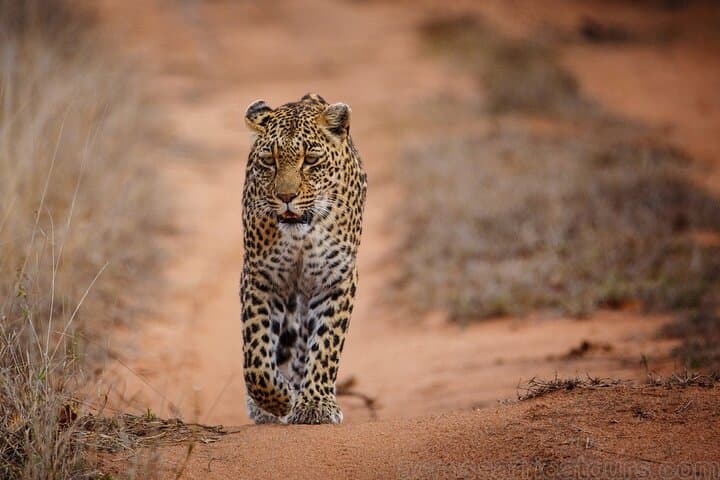
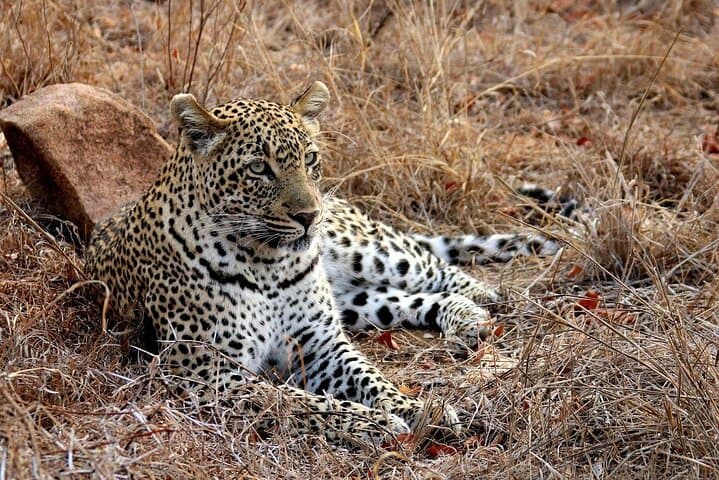
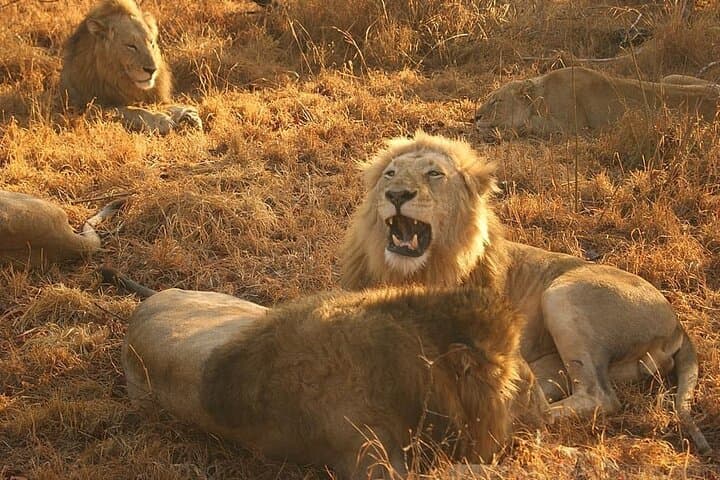
The sun lifts over a flat, ocean-tinged horizon as your vehicle slips off the asphalt and onto red, dust-scored tracks — the Indian Ocean hovers to the east while savanna plains stretch west, dotted with knobbly mopane and the slow silhouettes of elephants. Morning bird song competes with the distant trumpet of a bull; nights bring star-splintered skies and the crackle of a communal fire at camp.
The sun lifts over a flat, ocean-tinged horizon as your vehicle slips off the asphalt and onto red, dust-scored tracks — the Indian Ocean hovers to the east while savanna plains stretch west, dotted with knobbly mopane and the slow silhouettes of elephants. Morning bird song competes with the distant trumpet of a bull; nights bring star-splintered skies and the crackle of a communal fire at camp.
Maputo Special Reserve (formerly the Maputo Elephant Reserve) occupies coastal lowlands where marine and terrestrial ecosystems meet. The landscape is a mix of sandy coastline, mangrove estuaries, coastal dunes and seasonally flooded plains shaped by ancient river channels and tidal influence. The reserve’s recent ecological recovery is the result of cross-border wildlife corridors linking Mozambique with South Africa and Eswatini, reviving populations of pachyderms and other large mammals. Local communities around Maputo add cultural texture — fishing villages, small markets and traditional coastal cuisine influence the meals you’ll eat at camp.
Practically, expect game drives timed to dawn and dusk, walks of limited distance in shade, and simple safari camp accommodation with meals included. Bring binoculars, sunscreen and layered clothing for cool nights. Hydrate before and during excursions; keep a respectful distance from wildlife and follow guides’ instructions. Roads can be sandy and bumpy; motion tolerance helps. Park fees are handled in advance or at entry; cash and digital options vary.
This trip blends coastal scenery with classic African plains wildlife, delivering close encounters with elephants, coastal birdlife and the slow rhythm of the reserve — accessible, immersive, and driven by the steady work of conservation.