THE ADVENTURE COLLECTIVE® · Independent discovery and booking for outdoor travel

Two days of game drives and tented camping where ocean, dune and savanna meet—Maputo Special Reserve offers returning elephant herds, close coastal ecosystems and uncomplicated, on-the-ground safari life. Read on for what to expect and how to prepare.
Two days of game drives and tented camping where ocean, dune and savanna meet—Maputo Special Reserve offers returning elephant herds, close coastal ecosystems and uncomplicated, on-the-ground safari life. Read on for what to expect and how to prepare.
A low-slung dawn broadens over the Indian Ocean as a 4x4 eases onto a red track; shrimp boats trace the horizon while inland the grasses stand tall like sentries. The Maputo Special Reserve mixes foamy surf, coastal dunes and open savanna—terrain that pulls wildlife out of hiding and dares travelers to pay attention.
Verified experiences and guided adventures in the surrounding area.
Operated by Mabeco Tours Lda · Maputo, Maputo Province
A low-slung dawn broadens over the Indian Ocean as a 4x4 eases onto a red track; shrimp boats trace the horizon while inland the grasses stand tall like sentries. The Maputo Special Reserve mixes foamy surf, coastal dunes and open savanna—terrain that pulls wildlife out of hiding and dares travelers to pay attention.
Established in the 1960s, the reserve suffered steep declines during Mozambique’s civil war; today it’s part of a cross-border recovery effort linking populations from South Africa and Eswatini. Geologically the park is a coastal plain punctuated by dune systems and forest patches where riverine soils allow denser growth, creating abrupt transitions between beach, marsh and mopane/miombo woodlands.
Local communities around Maputo supply guides, camp staff and market flavors; cultural encounters are low-key but genuine—expect simple camp meals, conversation around a fire and the occasional village trade route glimpsed from the vehicle.
Practically: this two-day guided itinerary centers on game drives, tented camping and early-morning and late-afternoon wildlife viewing when animals are most active. Visitors should prepare for bumpy roads, variable weather and basic tent accommodations with park fees included. Bring layered clothing for cool mornings, good walking shoes for short explorations, malaria precautions and binoculars for scanning the horizon. Guides handle logistics and navigation; travelers should be ready to move at the pace of the land—attentive, patient and ready for moments when elephants or coastal birds appear without ceremony.
moderate.
2 days.
Moderate fitness for getting in/out of safari vehicles, short walks, and basic camping; not highly strenuous.
The tour lists park fees among inclusions, but confirm at booking whether all park admissions are covered to avoid surprises.
Tented accommodations are basic safari tents—sleeping platforms or cots, shared facilities and simple meals are provided.
The operator notes infant seats and family bookings may be accommodated, but check age limits and supervise children around wildlife and campfires.
Dry season (May–October) concentrates animals around water and offers firmer access roads; dawn and dusk drives are most productive.
Declared in the 1960s, the reserve lost much of its fauna during the civil war and is now being replenished through transfrontier conservation corridors connecting South Africa, Eswatini and Mozambique.
Management emphasizes corridor restoration and community-based tourism; visitors help by minimizing noise, following guide instructions and avoiding single-use plastics.
Mabeco Tours Lda operates guided outdoor trips and adventures with an emphasis on safety, stewardship, and memorable experiences.
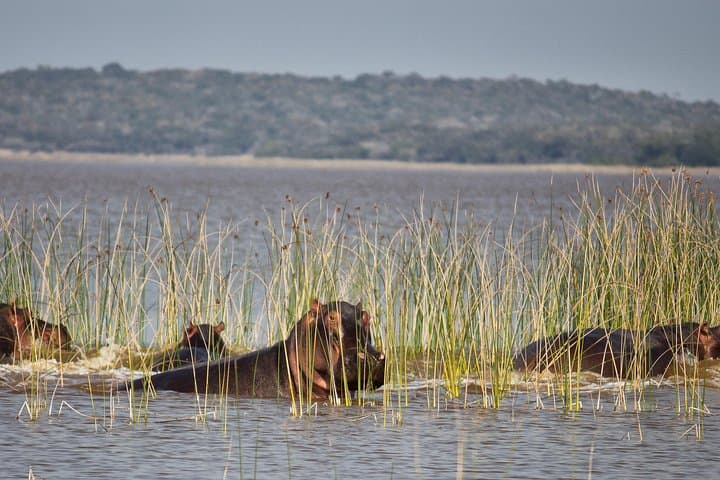
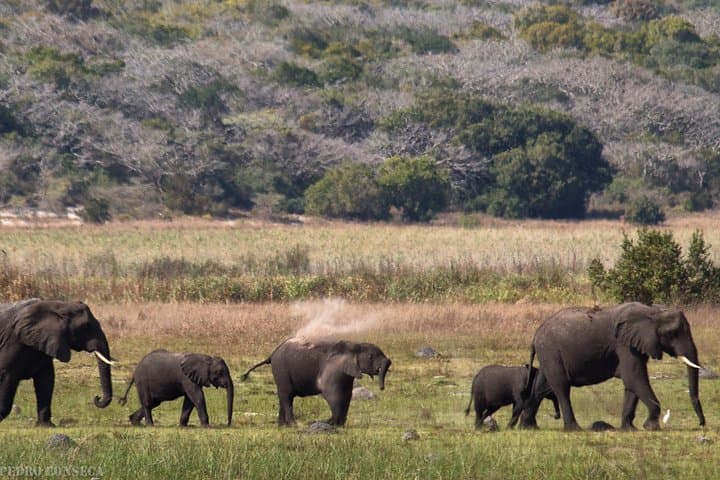
A low-slung dawn broadens over the Indian Ocean as a 4x4 eases onto a red track; shrimp boats trace the horizon while inland the grasses stand tall like sentries. The Maputo Special Reserve mixes foamy surf, coastal dunes and open savanna—terrain that pulls wildlife out of hiding and dares travelers to pay attention.
A low-slung dawn broadens over the Indian Ocean as a 4x4 eases onto a red track; shrimp boats trace the horizon while inland the grasses stand tall like sentries. The Maputo Special Reserve mixes foamy surf, coastal dunes and open savanna—terrain that pulls wildlife out of hiding and dares travelers to pay attention.
Established in the 1960s, the reserve suffered steep declines during Mozambique’s civil war; today it’s part of a cross-border recovery effort linking populations from South Africa and Eswatini. Geologically the park is a coastal plain punctuated by dune systems and forest patches where riverine soils allow denser growth, creating abrupt transitions between beach, marsh and mopane/miombo woodlands.
Local communities around Maputo supply guides, camp staff and market flavors; cultural encounters are low-key but genuine—expect simple camp meals, conversation around a fire and the occasional village trade route glimpsed from the vehicle.
Practically: this two-day guided itinerary centers on game drives, tented camping and early-morning and late-afternoon wildlife viewing when animals are most active. Visitors should prepare for bumpy roads, variable weather and basic tent accommodations with park fees included. Bring layered clothing for cool mornings, good walking shoes for short explorations, malaria precautions and binoculars for scanning the horizon. Guides handle logistics and navigation; travelers should be ready to move at the pace of the land—attentive, patient and ready for moments when elephants or coastal birds appear without ceremony.