THE ADVENTURE COLLECTIVE® · Independent discovery and booking for outdoor travel

Ride Maputo’s waterfront and downtown on a compact three-hour bike tour that mixes colonial architecture, bustling markets, and seaside views. Expect flat urban terrain, lively stops, and practical local insights to make the most of a short cultural spin.
Ride Maputo’s waterfront and downtown on a compact three-hour bike tour that mixes colonial architecture, bustling markets, and seaside views. Expect flat urban terrain, lively stops, and practical local insights to make the most of a short cultural spin.
You push off from the promenade with wind off the Indian Ocean at your back, the harbour lapping against stone piers that have handled cargo and histories for a century. Acacia-lined avenues flash by; vendors call from markets where fish glint on ice and spices scent the air. The ride is compact but cinematic — a steady urban spin that threads colonial façades, the old train station’s carved stone, and waterfront views.
Verified experiences and guided adventures in the surrounding area.
Operated by Bike & Saddle Maputo · Maputo, Maputo Province
You push off from the promenade with wind off the Indian Ocean at your back, the harbour lapping against stone piers that have handled cargo and histories for a century. Acacia-lined avenues flash by; vendors call from markets where fish glint on ice and spices scent the air. The ride is compact but cinematic — a steady urban spin that threads colonial façades, the old train station’s carved stone, and waterfront views.
Maputo was Lourenço Marques until independence in 1975; the city’s architecture still bears Portuguese-era arches and tiled roofs set against modern commerce. Geologically it sits on a low coastal plain where sandy soils meet tidal flats, so expect flat grades and strong coastal breezes. Culturally, the route grazes markets and cafés where Marrabenta rhythms and seafood stalls define daily life.
On this three-hour circuit you’ll stop at lively markets, pause before the old train station, and pick your line along the harbour promenade. The terrain is paved city streets and waterfront promenades with occasional curb cuts — nothing technical, but traffic and market crowds require alert riding.
Practical guidance: start in the morning to avoid the hottest hours, carry hydration and sun protection, and choose a comfortable saddle — cobblestones and short jostles are common. Ride single-file through busy sections, respect vendors and pedestrians, and bring small cash for market snacks. For photographers the light at golden hour flatters colonial details and shimmering harbor water.
This short cycle is a clear, accessible way to read Maputo’s layers: port, colony, market — all moving under your pedals.
easy.
3 hours.
Suitable for most fitness levels; you should be able to cycle on flat urban terrain for three hours with short stops.
The experience lasts approximately three hours and covers a short circuit of the promenade and downtown stops.
Yes — bicycle use and basic equipment are included; confirm helmet fit and adjust before you depart.
Yes — the route is flat and designed for all fitness levels, though basic bike handling and comfort in traffic are required.
Local guides commonly speak Portuguese and English; check the operator for specific language availability.
Maputo was known as Lourenço Marques during Portuguese colonial rule; many downtown buildings date from late 19th–early 20th century railway and port development.
Coastal areas near the harbour are sensitive — avoid littering and use reef-safe sunscreen; support local vendors to benefit the community economy.
Bike & Saddle Maputo operates guided outdoor trips and adventures with an emphasis on safety, stewardship, and memorable experiences.
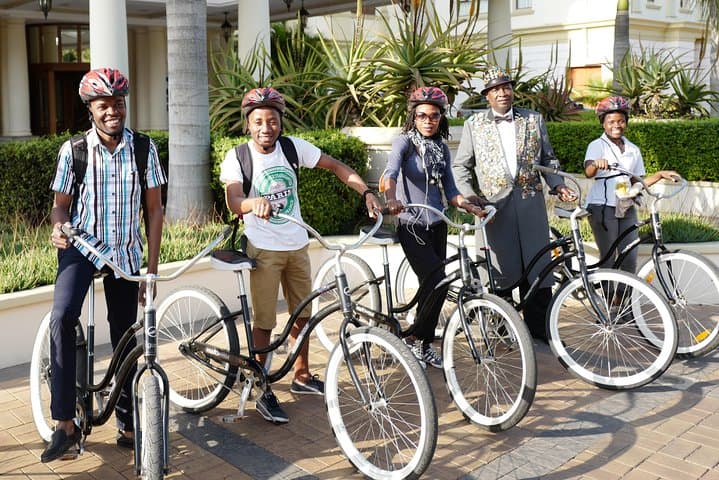
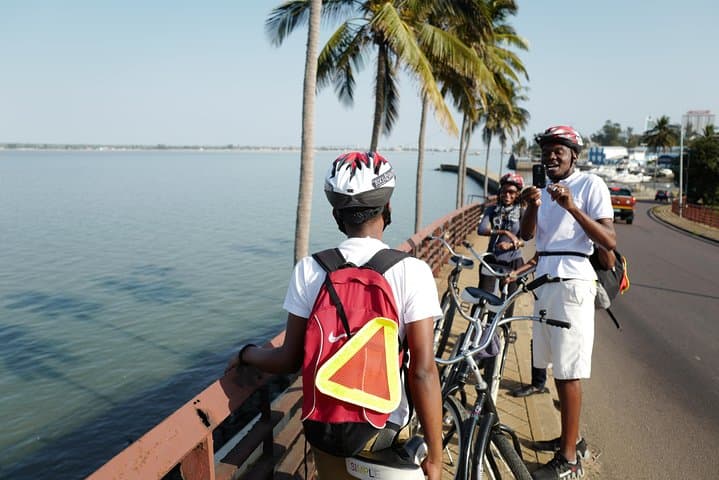
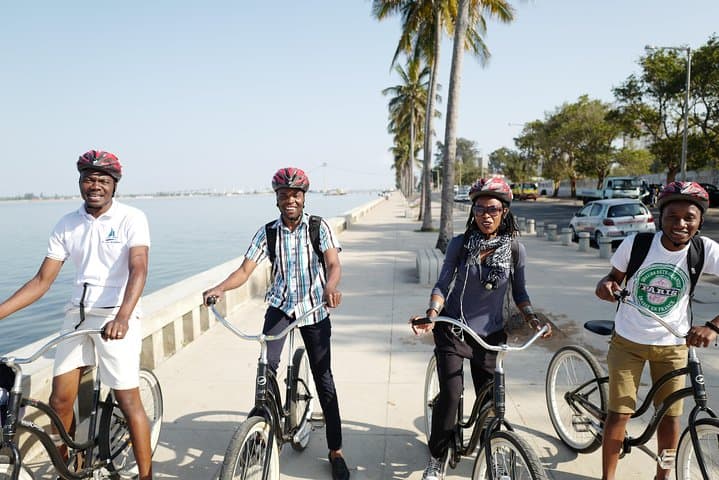
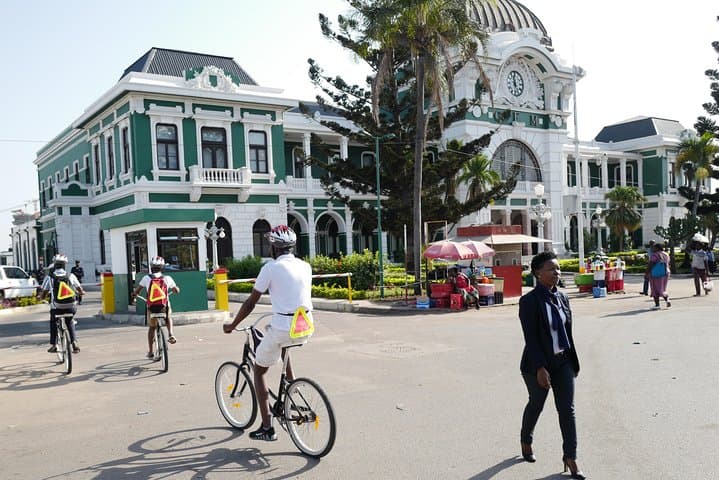
You push off from the promenade with wind off the Indian Ocean at your back, the harbour lapping against stone piers that have handled cargo and histories for a century. Acacia-lined avenues flash by; vendors call from markets where fish glint on ice and spices scent the air. The ride is compact but cinematic — a steady urban spin that threads colonial façades, the old train station’s carved stone, and waterfront views.
You push off from the promenade with wind off the Indian Ocean at your back, the harbour lapping against stone piers that have handled cargo and histories for a century. Acacia-lined avenues flash by; vendors call from markets where fish glint on ice and spices scent the air. The ride is compact but cinematic — a steady urban spin that threads colonial façades, the old train station’s carved stone, and waterfront views.
Maputo was Lourenço Marques until independence in 1975; the city’s architecture still bears Portuguese-era arches and tiled roofs set against modern commerce. Geologically it sits on a low coastal plain where sandy soils meet tidal flats, so expect flat grades and strong coastal breezes. Culturally, the route grazes markets and cafés where Marrabenta rhythms and seafood stalls define daily life.
On this three-hour circuit you’ll stop at lively markets, pause before the old train station, and pick your line along the harbour promenade. The terrain is paved city streets and waterfront promenades with occasional curb cuts — nothing technical, but traffic and market crowds require alert riding.
Practical guidance: start in the morning to avoid the hottest hours, carry hydration and sun protection, and choose a comfortable saddle — cobblestones and short jostles are common. Ride single-file through busy sections, respect vendors and pedestrians, and bring small cash for market snacks. For photographers the light at golden hour flatters colonial details and shimmering harbor water.
This short cycle is a clear, accessible way to read Maputo’s layers: port, colony, market — all moving under your pedals.