THE ADVENTURE COLLECTIVE® · Independent discovery and booking for outdoor travel

Spend a full day crossing the border from Mbombela to Maputo to explore steam engines, colonial architecture, coastal markets and a fortress full of local stories. This practical guide outlines what to expect and how to prepare.
Spend a full day crossing the border from Mbombela to Maputo to explore steam engines, colonial architecture, coastal markets and a fortress full of local stories. This practical guide outlines what to expect and how to prepare.
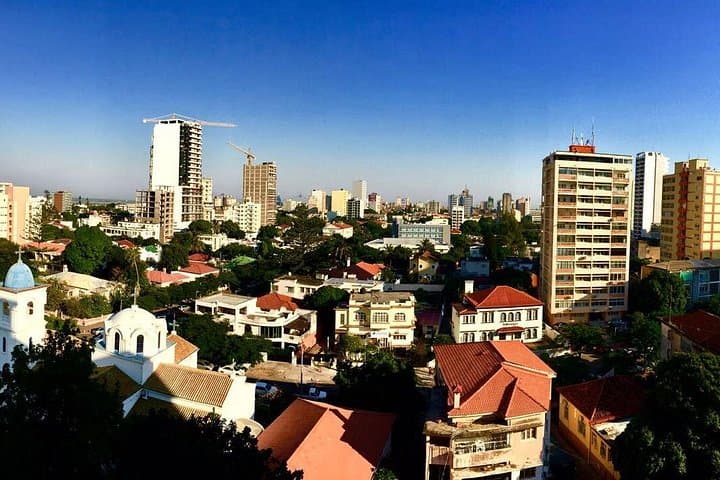
You step off the air‑conditioned van into a humid wash of salt, diesel and frying oil — Maputo greeting you with broad avenues, Portuguese façades and the distant thrum of the sea. Your guide threads stories through the streets as you move from a Victorian railway museum to a fortress that still holds the carved memories of resistance.
Verified experiences and guided adventures in the surrounding area.
Operated by Ntwanano Safaris · Maputo, Maputo Province
You step off the air‑conditioned van into a humid wash of salt, diesel and frying oil — Maputo greeting you with broad avenues, Portuguese façades and the distant thrum of the sea. Your guide threads stories through the streets as you move from a Victorian railway museum to a fortress that still holds the carved memories of resistance.
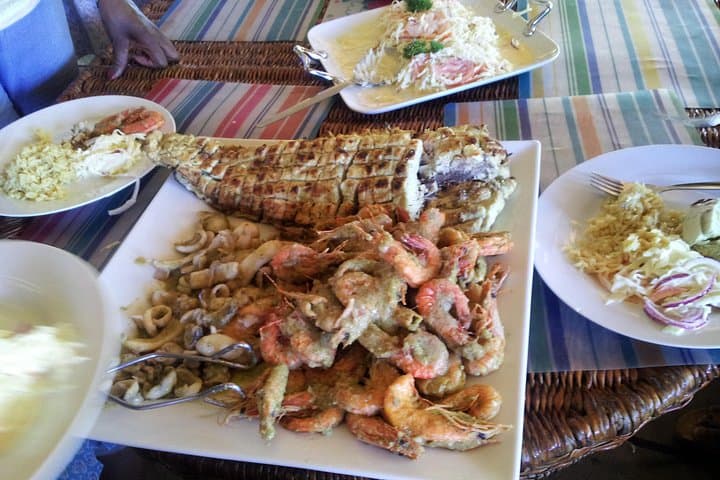
Maputo is coastline and clay, a city shaped by the tidal estuary of the Maputo River and centuries of Portuguese trade and administration. Architecture ranges from ironwork governor’s houses to modernist civic blocks; the Matola Railway Museum preserves steam engines and the era when rails stitched Mozambique into a colonial economy. Local culture is visible in busy markets and seafood stalls where fishermen still shout prices to buyers — food, craft and conversation are as much the attraction as any monument.
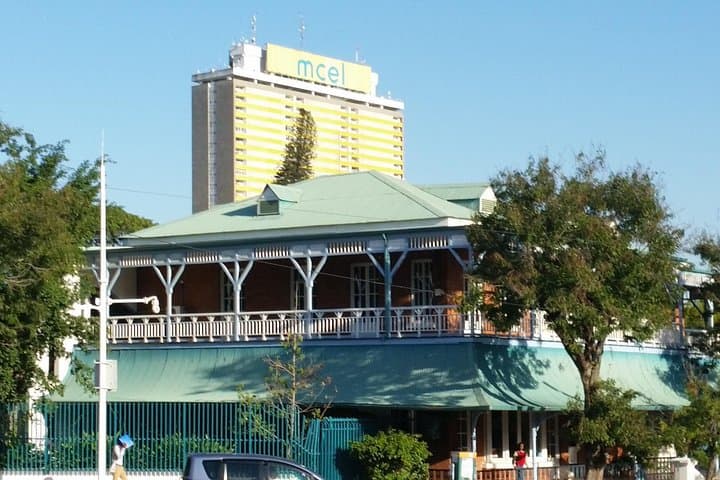
Expect a day that blends short, guided walks with seated transport between sites: museums with photo displays, a former governor’s iron house, murals at the old fortress, and time at a seaside fish market. Practicalities matter — passport checks for the border-crossing logistics, small bills for market purchases, and sunscreen for open squares.
Plan for 6–10 hours: wear sturdy walking shoes for uneven paving, carry a refillable water bottle, and pace your day with breaks at cafés or shaded squares. The tour moves at an accessible tempo suitable for most travelers, but bring patience for traffic and crowd navigation — Maputo asks you to notice both its history and its daily pulse.
easy.
6–10 hours.
Suitable for most fitness levels; involves multiple short walks over uneven pavement and standing at exhibits
Yes — this day tour crosses national/administrative checkpoints and requires a valid passport; check visa requirements before booking.
Some stops like the Matola Railway Museum include admission, but confirm the tour’s current inclusions and any optional-entry fees in advance.
The operator lists wheelchair accessibility and minimal physical demands, but accessibility at historic sites and markets can vary — contact the provider to discuss specific needs.
Bottled water is included; you’ll have opportunities to buy local food at markets and cafés—bring cash for small purchases.
Maputo’s cityscape reflects centuries of Portuguese colonial administration and trade; fortifications and railway infrastructure date to the 19th and early 20th centuries.
Coastal wetlands around the estuary are ecologically important—avoid littering, use marked paths, and support local vendors who follow sustainable seafood practices.
Ntwanano Safaris operates guided outdoor trips and adventures with an emphasis on safety, stewardship, and memorable experiences.
You step off the air‑conditioned van into a humid wash of salt, diesel and frying oil — Maputo greeting you with broad avenues, Portuguese façades and the distant thrum of the sea. Your guide threads stories through the streets as you move from a Victorian railway museum to a fortress that still holds the carved memories of resistance.
You step off the air‑conditioned van into a humid wash of salt, diesel and frying oil — Maputo greeting you with broad avenues, Portuguese façades and the distant thrum of the sea. Your guide threads stories through the streets as you move from a Victorian railway museum to a fortress that still holds the carved memories of resistance.
Maputo is coastline and clay, a city shaped by the tidal estuary of the Maputo River and centuries of Portuguese trade and administration. Architecture ranges from ironwork governor’s houses to modernist civic blocks; the Matola Railway Museum preserves steam engines and the era when rails stitched Mozambique into a colonial economy. Local culture is visible in busy markets and seafood stalls where fishermen still shout prices to buyers — food, craft and conversation are as much the attraction as any monument.
Expect a day that blends short, guided walks with seated transport between sites: museums with photo displays, a former governor’s iron house, murals at the old fortress, and time at a seaside fish market. Practicalities matter — passport checks for the border-crossing logistics, small bills for market purchases, and sunscreen for open squares.
Plan for 6–10 hours: wear sturdy walking shoes for uneven paving, carry a refillable water bottle, and pace your day with breaks at cafés or shaded squares. The tour moves at an accessible tempo suitable for most travelers, but bring patience for traffic and crowd navigation — Maputo asks you to notice both its history and its daily pulse.