THE ADVENTURE COLLECTIVE® · Independent discovery and booking for outdoor travel

Walk through Mapusa Market with a local chef, buy fresh ingredients from farmers and fishers, then learn simple Goan recipes and share a home-cooked meal. This four-hour experience combines market photography, local stories and hands-on cooking in a traditional kitchen.
Walk through Mapusa Market with a local chef, buy fresh ingredients from farmers and fishers, then learn simple Goan recipes and share a home-cooked meal. This four-hour experience combines market photography, local stories and hands-on cooking in a traditional kitchen.
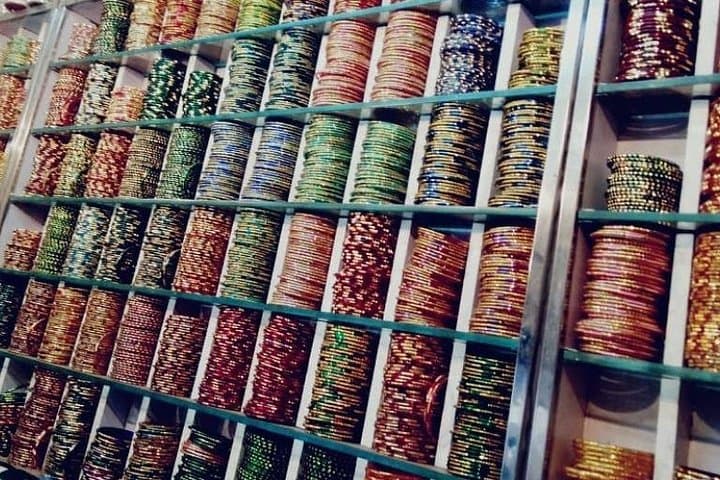
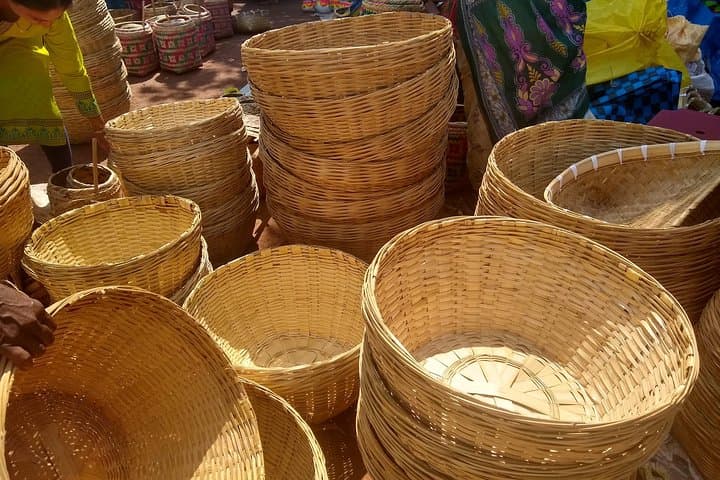
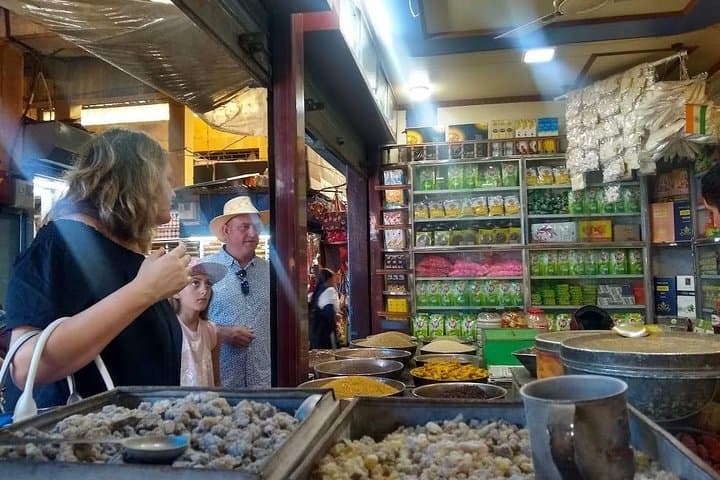
You step off the car into a street that hums: vendors call, sacks of spices tumble open, and the smell of fresh coconut and fish reaches you before the stalls do.
Verified experiences and guided adventures in the surrounding area.
Operated by Exclamations Goa · Mapusa, Goa
You step off the car into a street that hums: vendors call, sacks of spices tumble open, and the smell of fresh coconut and fish reaches you before the stalls do.
This tour begins at Mapusa Residency and threads through Mapusa Market—one of Goa's busiest local markets—where farmers, fishers and small traders set up in narrow lanes. Expect bright piles of kokum and chilies, bundles of kokum, and glistening fish on ice; the market itself has existed in some form since pre-Portuguese trade routes shaped the town into a local trading hub.
Geologically, this coast of Goa sits on lateritic plateau and alluvial plains, which support the rice paddies and spice trees that feed the market economy. Culturally, Mapusa is a working town: market day is social pulse as much as commerce, and Goan culinary traditions—Portuguese, Konkani and coastal Indian—come together in the kitchen you'll visit.
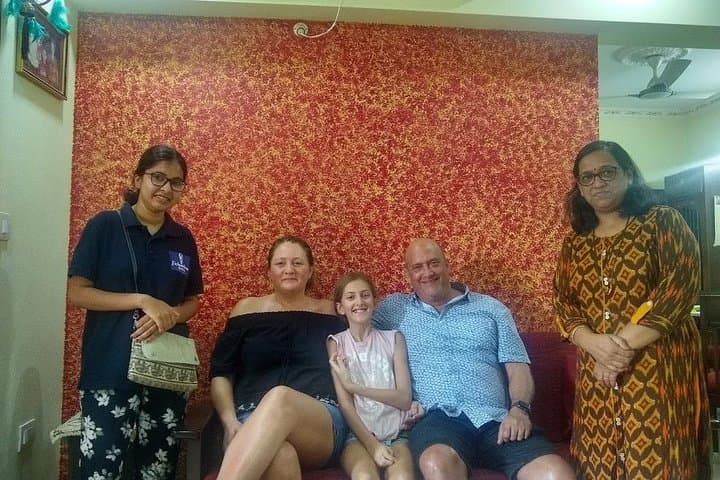
After shopping with a local expert chef, you'll return to a simple kitchen where you'll assist in making potato rava fry, a coconut-based ross, a Goan fish fry and kheer. Tools are basic and recipes efficient; the class is designed to be hands-on but realistic for a four-hour visit.
Practical guidance: wear comfortable shoes for uneven lanes, carry small bills for purchases, and tell your host about dietary restrictions in advance. Plan for heat and occasional rain depending on season, and leave room in your luggage for any spice or chutney you want to bring home.
easy.
4 hours.
Light: you should be able to walk short distances on crowded, uneven market lanes and stand during a hands-on cooking session.
Meet-up is at Mapusa Residency; confirm pickup options at booking since transfers may be available on request.
Yes—notify the operator at booking and they will adapt recipes where possible, though advance notice is required.
Yes; most vendors are used to customers taking photos, but ask before photographing people or their stalls to be respectful.
The tour notes wheelchair accessibility and nearby public transport, but market lanes can be narrow and crowded—contact the operator to confirm arrangements.
Mapusa grew as a trading center long before Portuguese rule; its Friday market became the commercial heart where inland produce met coastal catch.
Support vendors who use minimal plastic, accept local packaging, and avoid single-use waste—carry your own bag and dispose of food waste responsibly.
Exclamations Goa operates guided outdoor trips and adventures with an emphasis on safety, stewardship, and memorable experiences.
You step off the car into a street that hums: vendors call, sacks of spices tumble open, and the smell of fresh coconut and fish reaches you before the stalls do.
You step off the car into a street that hums: vendors call, sacks of spices tumble open, and the smell of fresh coconut and fish reaches you before the stalls do.
This tour begins at Mapusa Residency and threads through Mapusa Market—one of Goa's busiest local markets—where farmers, fishers and small traders set up in narrow lanes. Expect bright piles of kokum and chilies, bundles of kokum, and glistening fish on ice; the market itself has existed in some form since pre-Portuguese trade routes shaped the town into a local trading hub.
Geologically, this coast of Goa sits on lateritic plateau and alluvial plains, which support the rice paddies and spice trees that feed the market economy. Culturally, Mapusa is a working town: market day is social pulse as much as commerce, and Goan culinary traditions—Portuguese, Konkani and coastal Indian—come together in the kitchen you'll visit.
After shopping with a local expert chef, you'll return to a simple kitchen where you'll assist in making potato rava fry, a coconut-based ross, a Goan fish fry and kheer. Tools are basic and recipes efficient; the class is designed to be hands-on but realistic for a four-hour visit.
Practical guidance: wear comfortable shoes for uneven lanes, carry small bills for purchases, and tell your host about dietary restrictions in advance. Plan for heat and occasional rain depending on season, and leave room in your luggage for any spice or chutney you want to bring home.