THE ADVENTURE COLLECTIVE® · Independent discovery and booking for outdoor travel

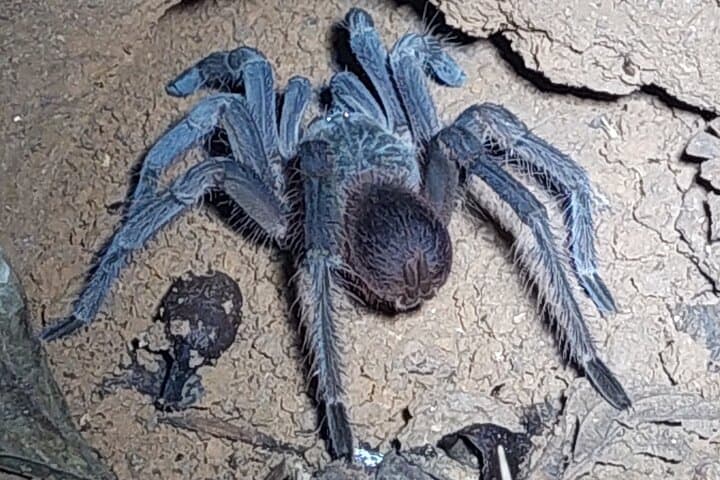
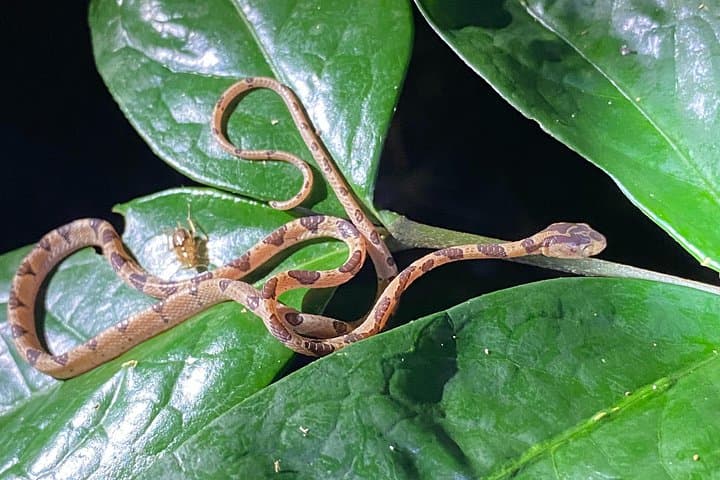
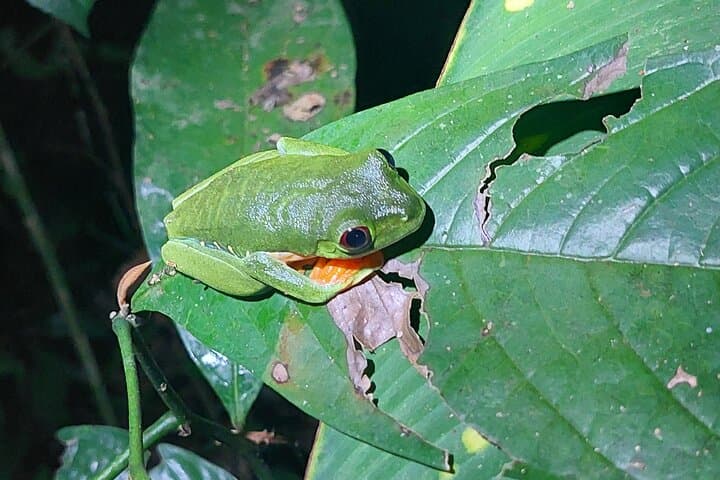
Venture into the Manzanillo Refuge after dark to see frogs, tarantulas and other nocturnal species guided by an experienced naturalist. This 3–4 hour night walk emphasizes quiet observation, low-impact lighting and the surprising activity of the jungle at night.
Venture into the Manzanillo Refuge after dark to see frogs, tarantulas and other nocturnal species guided by an experienced naturalist. This 3–4 hour night walk emphasizes quiet observation, low-impact lighting and the surprising activity of the jungle at night.
The trail begins in a shaft of flashlight beams: palms and heliconias fold into shadow, and the forest breathes around you. On the Manzanillo Refuge night walk, the jungle shifts roles — daytime birds sleep, while frogs, spiders and snakes take the stage. The guide’s voice is a steady compass; your light becomes a tool for discovery rather than domination.
Verified experiences and guided adventures in the surrounding area.
Operated by Travel Adrian CR · Manzanillo, Limón
The trail begins in a shaft of flashlight beams: palms and heliconias fold into shadow, and the forest breathes around you. On the Manzanillo Refuge night walk, the jungle shifts roles — daytime birds sleep, while frogs, spiders and snakes take the stage. The guide’s voice is a steady compass; your light becomes a tool for discovery rather than domination.
Gandoca-Manzanillo was set aside to protect coastal rainforest, mangroves and turtle nesting beaches. Geologically the area is young coastal plain and estuary, where slow-moving streams cut channels through peat and leaf litter; culturally the Talamanca region still reflects Bribri and Afro-Caribbean influences in local place names and fishing practices. At night the refuge highlights ecological relationships: tree frogs calling, crabs crossing the sand, and tarantulas hunting at the forest edge.
Practically, expect uneven, narrow trails with roots and mud. Walk pace is slow; stops for observation are frequent. The tour typically runs 3–4 hours and includes transportation and flashlights, but bring an extra headlamp with a red filter, closed-toe shoes, and rain protection. Keep voices low and use dim light — many animals respond to sudden bright beams. Flash photography can startle wildlife and is discouraged.
This is an accessible wildlife experience that rewards patience. You’ll return not with a postcard view but with a clearer sense of nocturnal rhythms — the forest as a living, reactive community. Plan around sunset, dress for humidity, and come prepared to let the dark sharpen your senses.
easy.
3–4 hours.
Suitable for most fitness levels; requires steady balance on uneven, sometimes slippery trails.
Yes; most operators allow children, though young kids should be comfortable walking in the dark and supervised closely.
Yes—basic flashlights are included, but a personal headlamp with red mode is recommended for hands-free use and better visibility.
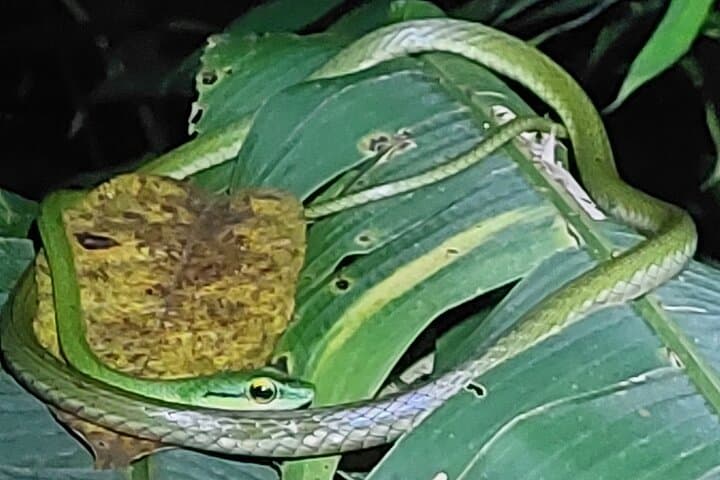
Encounters with snakes are possible; guides manage proximity and will point them out from a safe distance—wearing sturdy shoes reduces risk.
Private transportation is often included from nearby pickup points; confirm pickup location and timing when booking.
The Gandoca-Manzanillo Refuge protects coastal rainforest and nesting beaches; the area has long been inhabited by Bribri communities and Afro-Caribbean fishing villages.
The refuge is fragile—stay on designated paths, avoid flash photography, and follow guide instructions to minimize disturbance to nocturnal species.
Travel Adrian CR operates guided outdoor trips and adventures with an emphasis on safety, stewardship, and memorable experiences.
The trail begins in a shaft of flashlight beams: palms and heliconias fold into shadow, and the forest breathes around you. On the Manzanillo Refuge night walk, the jungle shifts roles — daytime birds sleep, while frogs, spiders and snakes take the stage. The guide’s voice is a steady compass; your light becomes a tool for discovery rather than domination.
The trail begins in a shaft of flashlight beams: palms and heliconias fold into shadow, and the forest breathes around you. On the Manzanillo Refuge night walk, the jungle shifts roles — daytime birds sleep, while frogs, spiders and snakes take the stage. The guide’s voice is a steady compass; your light becomes a tool for discovery rather than domination.
Gandoca-Manzanillo was set aside to protect coastal rainforest, mangroves and turtle nesting beaches. Geologically the area is young coastal plain and estuary, where slow-moving streams cut channels through peat and leaf litter; culturally the Talamanca region still reflects Bribri and Afro-Caribbean influences in local place names and fishing practices. At night the refuge highlights ecological relationships: tree frogs calling, crabs crossing the sand, and tarantulas hunting at the forest edge.
Practically, expect uneven, narrow trails with roots and mud. Walk pace is slow; stops for observation are frequent. The tour typically runs 3–4 hours and includes transportation and flashlights, but bring an extra headlamp with a red filter, closed-toe shoes, and rain protection. Keep voices low and use dim light — many animals respond to sudden bright beams. Flash photography can startle wildlife and is discouraged.
This is an accessible wildlife experience that rewards patience. You’ll return not with a postcard view but with a clearer sense of nocturnal rhythms — the forest as a living, reactive community. Plan around sunset, dress for humidity, and come prepared to let the dark sharpen your senses.