THE ADVENTURE COLLECTIVE® · Independent discovery and booking for outdoor travel

Spend a morning in Manyoni Game Reserve with a specialist guide and scan mopane and riverine thickets for regionally rare sunbirds, apalises and bushshrikes. This compact birding safari is ideal for both weekend birders and serious twitchers.
Spend a morning in Manyoni Game Reserve with a specialist guide and scan mopane and riverine thickets for regionally rare sunbirds, apalises and bushshrikes. This compact birding safari is ideal for both weekend birders and serious twitchers.
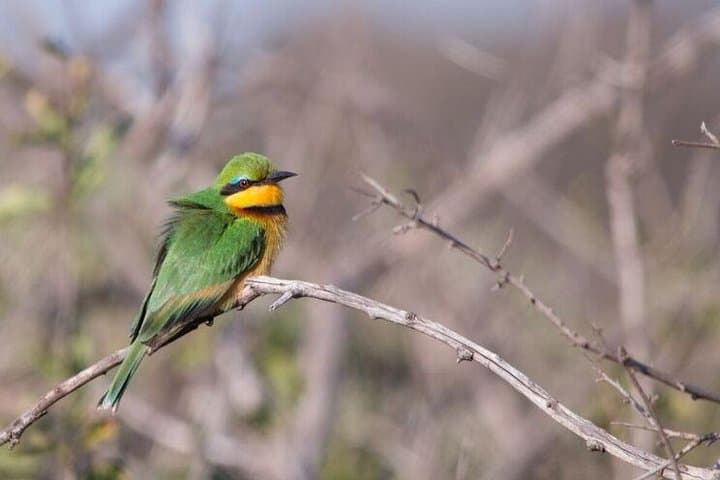
Dawn arrives cool and wide over undulating mopane and acacia veld; the gravel track crunches under the safari vehicle and a guide’s voice lowers as a flash of color darts through thorn scrub. This is Manyoni — a compact reserve in the Mkuze area where birdlife drives the day and the landscape pushes you to look up and scan.
Verified experiences and guided adventures in the surrounding area.
Operated by Ghost Mountain Safaris · Mkuze, KwaZulu-Natal
Dawn arrives cool and wide over undulating mopane and acacia veld; the gravel track crunches under the safari vehicle and a guide’s voice lowers as a flash of color darts through thorn scrub. This is Manyoni — a compact reserve in the Mkuze area where birdlife drives the day and the landscape pushes you to look up and scan.
The region sits on KwaZulu-Natal’s lowveld, a transition between coastal wetlands and drier inland plains that creates habitat variety: riverine thickets, open bushveld and seasonal pans. Zulu communities have lived in the greater Mkuze valley for generations, and the reserve’s name and boundaries reflect post‑colonial conservation efforts to protect both species and local livelihoods. Geologically the terrain is gentle, with shallow, well‑drained soils that favor seed‑eating finches and insectivorous warblers alike.
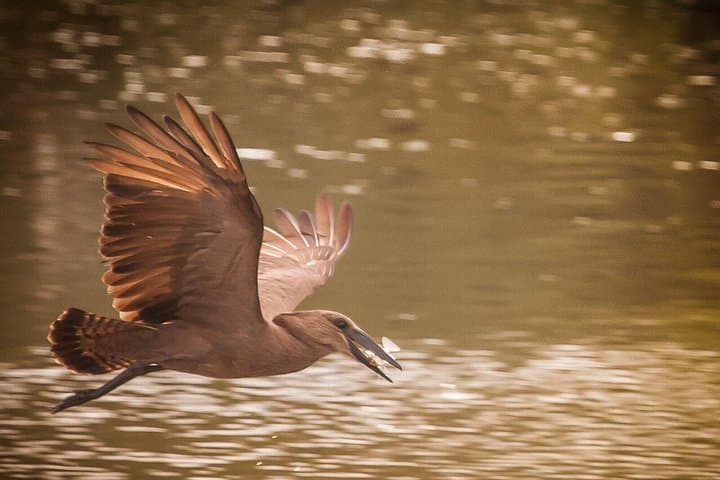
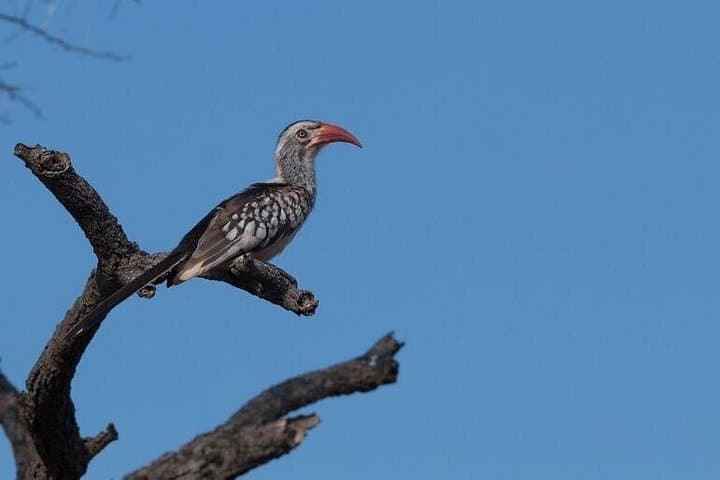
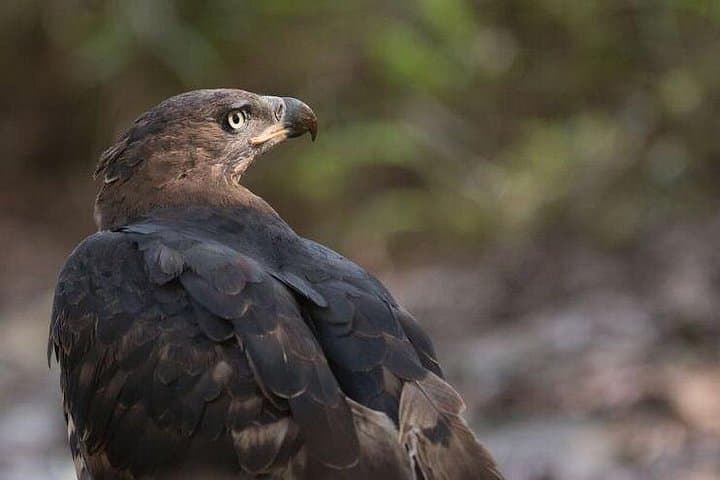
Expect a specialist bird guide who knows local calls and favoured perches; morning drives are best for raptors and migratory sunbirds, while late dry season concentrates waterbirds around remaining pans. Manyoni yields species like Neergaard’s Sunbird and Rudd’s Apalis alongside more familiar bushveld pipits and gorgeous bushshrikes — each call a clear marker of place.
Practical notes: plan for early starts, bring layered clothing for cool mornings and hot afternoons, and carry insect repellent. If you want an outdoor breakfast or dinner, arrange it ahead of time. Vehicles handle rough tracks, but comfortable walking shoes help if you step off for a closer look. With basic preparation, the reserve rewards patience: birds will show, and the veld will keep you scanning.
easy.
4 hours.
Suitable for all fitness levels; minimal walking required but able to embark/disembark vehicle and tolerate short uneven-ground steps
The standard safari runs about 4 hours and is typically scheduled in the morning when bird activity is highest.
No — trips are suitable for all levels; guides tailor commentary to beginners and experienced birders alike.
Most operators meet at a lodge or pickup point in Mkuze or nearby accommodations; confirm pickup details when booking.
Meals aren’t usually included by default, but an outdoor breakfast or dinner can be arranged in advance with the operator.
The Mkuze landscape has long been inhabited by Zulu communities and later set into protected areas to curb hunting and safeguard biodiversity in the 20th century.
Reserves here balance ecotourism and habitat protection; visitors should stick to paths, avoid feeding wildlife and follow guide instructions to reduce disturbance.
Ghost Mountain Safaris operates guided outdoor trips and adventures with an emphasis on safety, stewardship, and memorable experiences.
Dawn arrives cool and wide over undulating mopane and acacia veld; the gravel track crunches under the safari vehicle and a guide’s voice lowers as a flash of color darts through thorn scrub. This is Manyoni — a compact reserve in the Mkuze area where birdlife drives the day and the landscape pushes you to look up and scan.
Dawn arrives cool and wide over undulating mopane and acacia veld; the gravel track crunches under the safari vehicle and a guide’s voice lowers as a flash of color darts through thorn scrub. This is Manyoni — a compact reserve in the Mkuze area where birdlife drives the day and the landscape pushes you to look up and scan.
The region sits on KwaZulu-Natal’s lowveld, a transition between coastal wetlands and drier inland plains that creates habitat variety: riverine thickets, open bushveld and seasonal pans. Zulu communities have lived in the greater Mkuze valley for generations, and the reserve’s name and boundaries reflect post‑colonial conservation efforts to protect both species and local livelihoods. Geologically the terrain is gentle, with shallow, well‑drained soils that favor seed‑eating finches and insectivorous warblers alike.
Expect a specialist bird guide who knows local calls and favoured perches; morning drives are best for raptors and migratory sunbirds, while late dry season concentrates waterbirds around remaining pans. Manyoni yields species like Neergaard’s Sunbird and Rudd’s Apalis alongside more familiar bushveld pipits and gorgeous bushshrikes — each call a clear marker of place.
Practical notes: plan for early starts, bring layered clothing for cool mornings and hot afternoons, and carry insect repellent. If you want an outdoor breakfast or dinner, arrange it ahead of time. Vehicles handle rough tracks, but comfortable walking shoes help if you step off for a closer look. With basic preparation, the reserve rewards patience: birds will show, and the veld will keep you scanning.