THE ADVENTURE COLLECTIVE® · Independent discovery and booking for outdoor travel

A full-day safari from Arusha to Lake Manyara National Park featuring tree-climbing lions, large herds of grazing mammals and over 300 bird species. Expect a scenic 2.5-hour drive each way, guided game drives, and a picnic lunch at a scenic stop.
A full-day safari from Arusha to Lake Manyara National Park featuring tree-climbing lions, large herds of grazing mammals and over 300 bird species. Expect a scenic 2.5-hour drive each way, guided game drives, and a picnic lunch at a scenic stop.
You step off the vehicle and the air is different: warmer, threaded with the sharp scent of dry grass and bird calls that seem to come from every direction. The road from Arusha winds west for roughly 127 km, sliding down the Rift Valley escarpment toward Lake Manyara’s flat, reflective surface. By late morning the park opens into mosaic habitats—groundwater forest, acacia woodland, marsh and the soda lake—each hosting its own cast of wildlife.
Verified experiences and guided adventures in the surrounding area.
Operated by Safaris Partners · Mto wa Mbu, Manyara Region
You step off the vehicle and the air is different: warmer, threaded with the sharp scent of dry grass and bird calls that seem to come from every direction. The road from Arusha winds west for roughly 127 km, sliding down the Rift Valley escarpment toward Lake Manyara’s flat, reflective surface. By late morning the park opens into mosaic habitats—groundwater forest, acacia woodland, marsh and the soda lake—each hosting its own cast of wildlife.
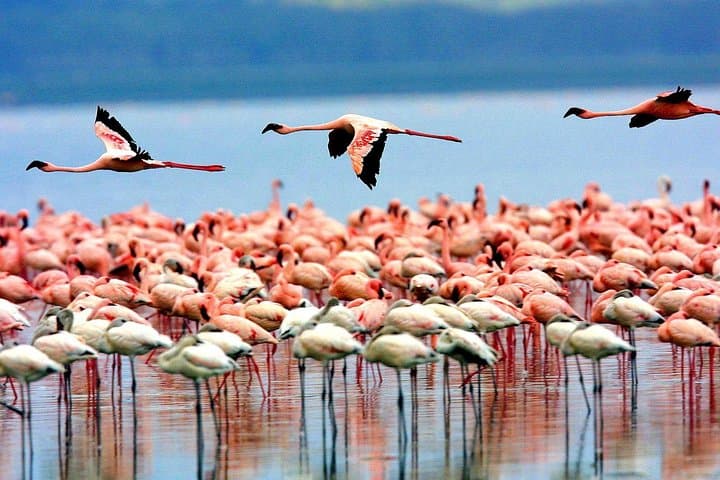
Manyara gained fame for its tree-climbing lions, a behavior favored by the park’s cliffs and dense woodlands. Geologically the park sits on the eastern arm of the East African Rift; the shallow alkaline lake that dominates the valley floor concentrates salts that draw flamingos and other waterbirds. Culturally, the area is close to Mto wa Mbu and villages where multi-ethnic farming and market life contrast with the quiet of the game tracks.
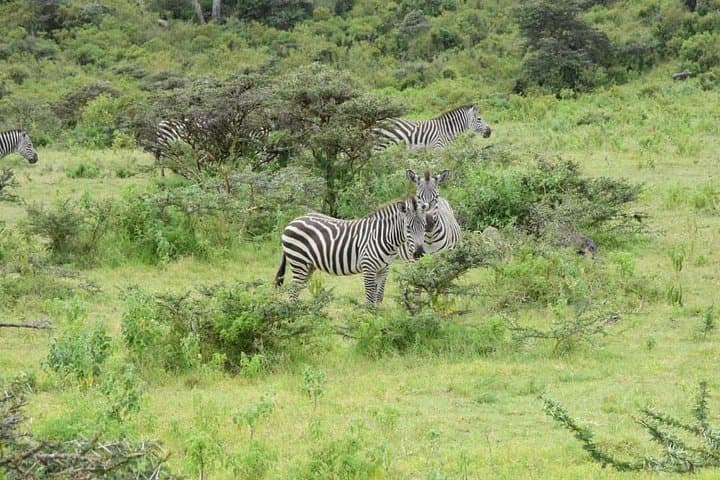
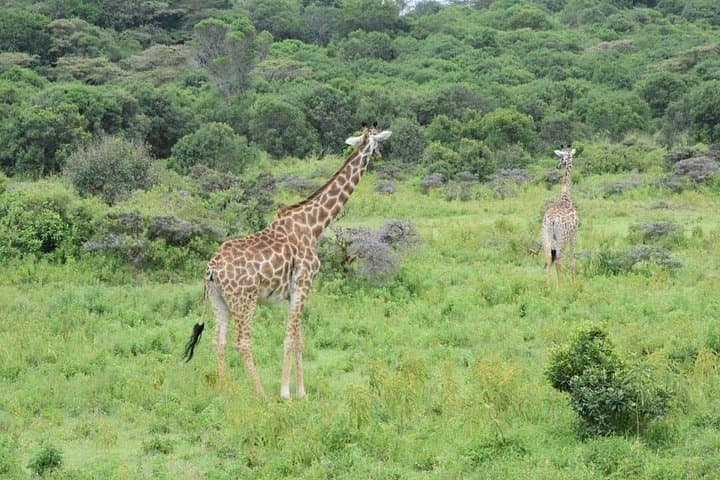
On a typical day trip you’ll leave Arusha around 8:00 a.m., drive about 2.5 hours, then spend several hours on guided game drives—stopping for a picnic lunch mid-afternoon—before returning at sunset. Expect uneven dirt tracks, opportunistic wildlife sightings (lions, elephants, giraffes, buffalo, zebra and hundreds of bird species) and plenty of camera moments. Practical prep matters: carry binoculars, sun protection, water and a light layer for the evening drive. Guides pick safe picnic spots and handle park permits, but bring sturdy shoes if you want to stretch your legs at designated viewing points.
This is a compact safari: intense, vehicle-based and accessible to most travelers, with some of Tanzania’s most memorable wildlife behaviors on view.
easy.
10 hours.
Suitable for most fitness levels—most time is spent in a vehicle; be prepared for short walks on uneven ground.
The transfer is about 2–2.5 hours each way (roughly 127 km) depending on traffic and road conditions.
Tree-climbing lions are a well-known behavior here but sightings aren’t guaranteed; a knowledgeable guide improves your odds by locating likely pride areas.
Yes—this tour is vehicle-based and listed as suitable for all fitness levels; infants must sit on laps but infant seats are sometimes available—confirm at booking.
Admission is included per the itinerary; lunch is provided as a boxed picnic by the driver-guide on this tour.
Lake Manyara National Park formed as part of the Rift Valley system; human communities around the park practice mixed agriculture and have long interacted with the savanna ecosystem.
The park faces pressures from water extraction and land-use change; staying on designated roads and following guide instructions reduces disturbance to wildlife.
Safaris Partners operates guided outdoor trips and adventures with an emphasis on safety, stewardship, and memorable experiences.
You step off the vehicle and the air is different: warmer, threaded with the sharp scent of dry grass and bird calls that seem to come from every direction. The road from Arusha winds west for roughly 127 km, sliding down the Rift Valley escarpment toward Lake Manyara’s flat, reflective surface. By late morning the park opens into mosaic habitats—groundwater forest, acacia woodland, marsh and the soda lake—each hosting its own cast of wildlife.
You step off the vehicle and the air is different: warmer, threaded with the sharp scent of dry grass and bird calls that seem to come from every direction. The road from Arusha winds west for roughly 127 km, sliding down the Rift Valley escarpment toward Lake Manyara’s flat, reflective surface. By late morning the park opens into mosaic habitats—groundwater forest, acacia woodland, marsh and the soda lake—each hosting its own cast of wildlife.
Manyara gained fame for its tree-climbing lions, a behavior favored by the park’s cliffs and dense woodlands. Geologically the park sits on the eastern arm of the East African Rift; the shallow alkaline lake that dominates the valley floor concentrates salts that draw flamingos and other waterbirds. Culturally, the area is close to Mto wa Mbu and villages where multi-ethnic farming and market life contrast with the quiet of the game tracks.
On a typical day trip you’ll leave Arusha around 8:00 a.m., drive about 2.5 hours, then spend several hours on guided game drives—stopping for a picnic lunch mid-afternoon—before returning at sunset. Expect uneven dirt tracks, opportunistic wildlife sightings (lions, elephants, giraffes, buffalo, zebra and hundreds of bird species) and plenty of camera moments. Practical prep matters: carry binoculars, sun protection, water and a light layer for the evening drive. Guides pick safe picnic spots and handle park permits, but bring sturdy shoes if you want to stretch your legs at designated viewing points.
This is a compact safari: intense, vehicle-based and accessible to most travelers, with some of Tanzania’s most memorable wildlife behaviors on view.