THE ADVENTURE COLLECTIVE® · Independent discovery and booking for outdoor travel

Small-group guided walks through dense coastal rainforest lead to close encounters with sloths, monkeys and other wildlife, finishing at Manuel Antonio’s beach. Ideal for families and first-time wildlife viewers, this tour pairs expert naturalists with a professional spotting scope for detailed observations.
Small-group guided walks through dense coastal rainforest lead to close encounters with sloths, monkeys and other wildlife, finishing at Manuel Antonio’s beach. Ideal for families and first-time wildlife viewers, this tour pairs expert naturalists with a professional spotting scope for detailed observations.
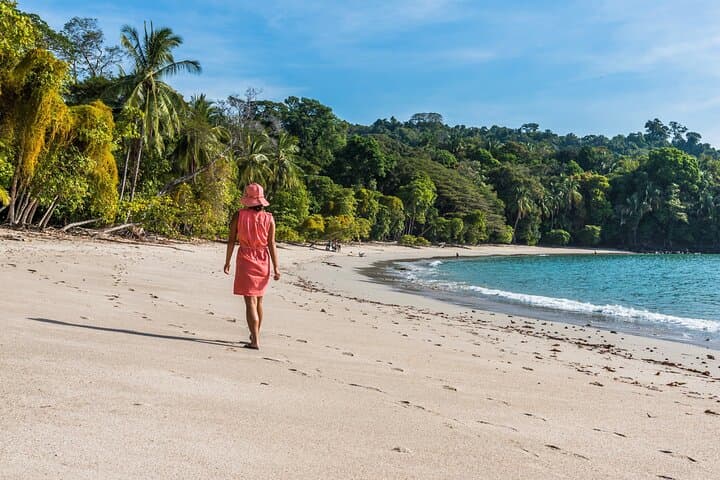
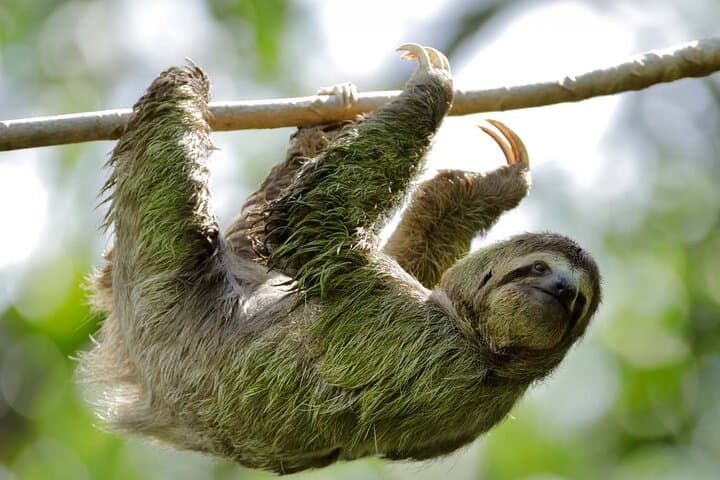
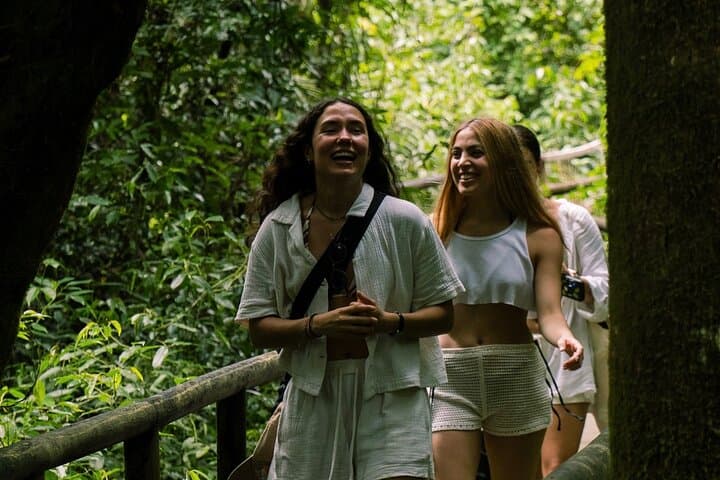
The trail begins under a green ceiling: branches tilt and sunlight slices through in warm strips, and the air smells faintly of salt and wet earth. Walkers move quietly, guided by a local naturalist whose trained eye pauses at the smallest rustle; a sloth blinks at eye level, then deliberately resumes its slow survey of the canopy. The path drops toward a crescent of sand where the Pacific waits, restless and inviting after the forest’s hush.
Verified experiences and guided adventures in the surrounding area.
Operated by Fabio Araya · Quepos, Puntarenas
The trail begins under a green ceiling: branches tilt and sunlight slices through in warm strips, and the air smells faintly of salt and wet earth. Walkers move quietly, guided by a local naturalist whose trained eye pauses at the smallest rustle; a sloth blinks at eye level, then deliberately resumes its slow survey of the canopy. The path drops toward a crescent of sand where the Pacific waits, restless and inviting after the forest’s hush.
Manuel Antonio National Park, created in the early 1970s to protect a patch of coastal rainforest and marine front, sits on volcanic soils that have weathered into steep ridges and narrow coves. The park’s compact footprint concentrates biodiversity: capuchin and squirrel monkeys, three-toed sloths, colorful frogs and reef fish all share this narrow intersection of mountain and sea. Local guides link natural history to human stories—small fishing communities, national conservation efforts, and the park’s role in Costa Rica’s eco-tourism economy.
On a guided wildlife tour expect short, easy trails, patient spotting with high-def scopes, and beach time to close the loop. Trails can be shaded but slippery in places; tides shape the shoreline and currents demand respect. Bring water, sun protection, and shoes with grip. Morning outings are best for active wildlife; mid-day light suits photography through the provided scope.
This tour suits families and first-time visitors who want close wildlife encounters without backcountry travel. Stay on marked routes, follow guide instructions, and plan for sudden tropical showers—Manuel Antonio is lively, direct, and uncompromising in its beauty.
moderate.
2–3 hours.
Moderate fitness: able to walk 1.5–3 miles on uneven terrain and handle short inclines.
No — this tour typically does not include the national park entrance fee; check booking details and bring cash or card for park admission.
Yes — the itinerary ends at Manuel Antonio beach where swimming is possible, but observe current and local flags; children should be supervised.
Some sections are accessible and operators note wheelchair/stroller accessibility, but uneven trail sections may limit full access—confirm specific needs when booking.
Common sightings include three-toed sloths, white-faced capuchin and howler monkeys, iguanas, and a variety of birds and amphibians; sightings are never guaranteed.
Established in the 1970s, Manuel Antonio protected a fragile junction of coastal rainforest and marine habitats and became a focal point in Costa Rica’s early conservation tourism.
High visitor numbers strain trails and shorelines—stay on marked paths, avoid feeding wildlife, and use reef-safe sunscreen to minimize impact.
Fabio Araya operates guided outdoor trips and adventures with an emphasis on safety, stewardship, and memorable experiences.

The trail begins under a green ceiling: branches tilt and sunlight slices through in warm strips, and the air smells faintly of salt and wet earth. Walkers move quietly, guided by a local naturalist whose trained eye pauses at the smallest rustle; a sloth blinks at eye level, then deliberately resumes its slow survey of the canopy. The path drops toward a crescent of sand where the Pacific waits, restless and inviting after the forest’s hush.
The trail begins under a green ceiling: branches tilt and sunlight slices through in warm strips, and the air smells faintly of salt and wet earth. Walkers move quietly, guided by a local naturalist whose trained eye pauses at the smallest rustle; a sloth blinks at eye level, then deliberately resumes its slow survey of the canopy. The path drops toward a crescent of sand where the Pacific waits, restless and inviting after the forest’s hush.
Manuel Antonio National Park, created in the early 1970s to protect a patch of coastal rainforest and marine front, sits on volcanic soils that have weathered into steep ridges and narrow coves. The park’s compact footprint concentrates biodiversity: capuchin and squirrel monkeys, three-toed sloths, colorful frogs and reef fish all share this narrow intersection of mountain and sea. Local guides link natural history to human stories—small fishing communities, national conservation efforts, and the park’s role in Costa Rica’s eco-tourism economy.
On a guided wildlife tour expect short, easy trails, patient spotting with high-def scopes, and beach time to close the loop. Trails can be shaded but slippery in places; tides shape the shoreline and currents demand respect. Bring water, sun protection, and shoes with grip. Morning outings are best for active wildlife; mid-day light suits photography through the provided scope.
This tour suits families and first-time visitors who want close wildlife encounters without backcountry travel. Stay on marked routes, follow guide instructions, and plan for sudden tropical showers—Manuel Antonio is lively, direct, and uncompromising in its beauty.