THE ADVENTURE COLLECTIVE® · Independent discovery and booking for outdoor travel

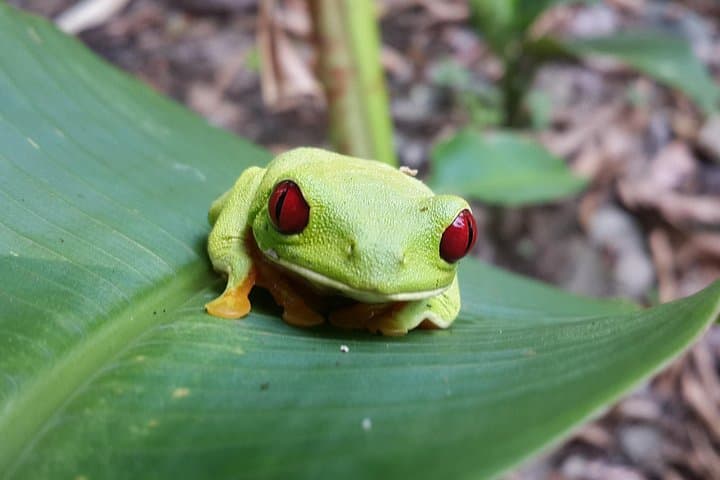
Walk the jungle after dark on a guided 2‑hour tour that visits a private wildlife shelter near Manuel Antonio. See red‑eyed tree frogs, nocturnal butterflies and rehabilitation enclosures while learning about local conservation practices.
Walk the jungle after dark on a guided 2‑hour tour that visits a private wildlife shelter near Manuel Antonio. See red‑eyed tree frogs, nocturnal butterflies and rehabilitation enclosures while learning about local conservation practices.
The path opens under a low canopy of leaves, and the jungle exhales—warm, humid air carrying insect song and distant frog calls. With a guide sweeping a red-filtered light ahead, you move slowly along muddy trails beside trickling creeks; the forest seems to rearrange itself around your flashlight beam as eyes and tiny bodies emerge from the dark.
Verified experiences and guided adventures in the surrounding area.
Operated by Costa Rica Wáköö Tours · Manuel Antonio, Puntarenas
The path opens under a low canopy of leaves, and the jungle exhales—warm, humid air carrying insect song and distant frog calls. With a guide sweeping a red-filtered light ahead, you move slowly along muddy trails beside trickling creeks; the forest seems to rearrange itself around your flashlight beam as eyes and tiny bodies emerge from the dark.
This two-hour guided night tour near Manuel Antonio takes place at a private wildlife shelter and adjacent rainforest plots. The Central Pacific coast’s lowland rainforest here formed over volcanic soils and river sediments; its mix of mangrove, riparian pools and secondary forest supports a concentrated diversity of nocturnal life. The area’s protected spaces date from conservation efforts in the 1970s, when national attention turned to preserving shoreline forests and the wildlife that depends on them.
Locally, guides often come from Quepos and Manuel Antonio communities and work with rescues that rehabilitate turtles, crocodiles and injured mammals. Cultural ties to coastal fishing and small-scale agriculture still shape how land is used and conserved.
Practical guidance: wear closed-toe shoes and long pants, carry a headlamp with a red filter and insect repellent, and expect muddy sections and low branches. Photography with flash is discouraged—use a phone camera on low exposure or rely on your guide’s spotlight. Private transport and admissions are typically included; tours are suitable for most fitness levels but not recommended for those with serious cardiovascular issues or pregnancy. Move quietly, follow your guide’s instructions, and you’ll see frogs, amphibians and nocturnal mammals at their liveliest while supporting local conservation work.
easy.
2 hours.
Suitable for most people in reasonable health; requires walking on uneven, sometimes muddy trails for up to two hours.
Yes—many operators welcome children, but younger kids should be supervised closely and may be unsettled by the dark; check age limits with the operator before booking.
Most bookings include private transportation from central Manuel Antonio/Quepos, a bilingual guide, and admissions to the private wildlife shelter; confirm pickup details when booking.
Flash photography is discouraged because it disturbs animals; guides typically use a subdued spotlight and recommend low-light camera settings or red-filtered lights.
Proximity varies—amphibians and insects may be observed very near the trail, while larger animals are kept in or viewed near rescue enclosures; guides enforce safe distances for both guests and wildlife.
The Manuel Antonio region’s protected areas expanded in the late 20th century to preserve coastal lowland rainforest and marine habitats; local rescue centers grew from community conservation efforts tied to ecotourism.
Tours often support rehabilitation centers through admission fees and responsible viewing practices; stay on paths, avoid touching wildlife, and follow guide instructions to minimize disturbance.
Costa Rica Wáköö Tours operates guided outdoor trips and adventures with an emphasis on safety, stewardship, and memorable experiences.
The path opens under a low canopy of leaves, and the jungle exhales—warm, humid air carrying insect song and distant frog calls. With a guide sweeping a red-filtered light ahead, you move slowly along muddy trails beside trickling creeks; the forest seems to rearrange itself around your flashlight beam as eyes and tiny bodies emerge from the dark.
The path opens under a low canopy of leaves, and the jungle exhales—warm, humid air carrying insect song and distant frog calls. With a guide sweeping a red-filtered light ahead, you move slowly along muddy trails beside trickling creeks; the forest seems to rearrange itself around your flashlight beam as eyes and tiny bodies emerge from the dark.
This two-hour guided night tour near Manuel Antonio takes place at a private wildlife shelter and adjacent rainforest plots. The Central Pacific coast’s lowland rainforest here formed over volcanic soils and river sediments; its mix of mangrove, riparian pools and secondary forest supports a concentrated diversity of nocturnal life. The area’s protected spaces date from conservation efforts in the 1970s, when national attention turned to preserving shoreline forests and the wildlife that depends on them.
Locally, guides often come from Quepos and Manuel Antonio communities and work with rescues that rehabilitate turtles, crocodiles and injured mammals. Cultural ties to coastal fishing and small-scale agriculture still shape how land is used and conserved.
Practical guidance: wear closed-toe shoes and long pants, carry a headlamp with a red filter and insect repellent, and expect muddy sections and low branches. Photography with flash is discouraged—use a phone camera on low exposure or rely on your guide’s spotlight. Private transport and admissions are typically included; tours are suitable for most fitness levels but not recommended for those with serious cardiovascular issues or pregnancy. Move quietly, follow your guide’s instructions, and you’ll see frogs, amphibians and nocturnal mammals at their liveliest while supporting local conservation work.