THE ADVENTURE COLLECTIVE® · Independent discovery and booking for outdoor travel

Step into the forest after sunset on a guided night walk near Manuel Antonio. Learn to read nocturnal behavior, spot frogs, reptiles and small mammals, and photograph wildlife with specialized lighting—all in a small-group shared tour.
Step into the forest after sunset on a guided night walk near Manuel Antonio. Learn to read nocturnal behavior, spot frogs, reptiles and small mammals, and photograph wildlife with specialized lighting—all in a small-group shared tour.
A narrow trail under a ceiling of leaves becomes a corridor; the guide's beam picks out a darting frog, then a pause as a sloth watches from high branches. On this shared night walk near Manuel Antonio, the forest changes language—calls and clicks replace daytime bird song—and every rustle feels deliberate.
Verified experiences and guided adventures in the surrounding area.
Operated by Mike's Nature Tours · Manuel Antonio, Puntarenas
A narrow trail under a ceiling of leaves becomes a corridor; the guide's beam picks out a darting frog, then a pause as a sloth watches from high branches. On this shared night walk near Manuel Antonio, the forest changes language—calls and clicks replace daytime bird song—and every rustle feels deliberate.
Manuel Antonio sits on Costa Rica’s central Pacific coast, an area shaped by volcanic uplift and heavy tropical rainfall that produces steep ridges, mangrove-lined coves, and biodiverse lowland rainforest. The park and surrounding private reserves have long been important to local communities for fishing and tourism; certified naturalist guides trained here combine biology with cultural knowledge to interpret nocturnal behavior and habitat links.
Expect close-up views of amphibians, nocturnal reptiles, insects, and small mammals guided by crews carrying specialist night optics and photography gear. The path is generally compacted soil with occasional roots and low steps—easy walking but uneven underfoot. Guides emphasize low-impact viewing: small groups, quiet voices, and no bright flashes to avoid stressing wildlife.
Practical essentials: plan for 2–4 hours, bring a headlamp with red filter or use guide lighting, wear closed-toe shoes and light long sleeves to deter insects, and carry water. Timing matters—after dusk is most active—and steady hands and patience reward photographers. The experience is suitable for families and casual walkers; mobility issues should be discussed at booking. By keeping to trails and following guide instructions you maximize sightings while protecting fragile nocturnal life.
easy.
2–4 hours.
Suitable for most fitness levels; requires standing and walking on uneven ground for up to a few hours
Tours run approximately 2–4 hours depending on sightings and group pace; confirm times when booking.
Yes—this tour is family-friendly but infants must sit on an adult’s lap and children should be able to follow guide instructions.
Guides aim for good viewing distances; some animals may approach, but touching or feeding wildlife is prohibited for safety and conservation.
The operator may cancel if conditions make the trail unsafe; cancellation policies typically require 24-hour notice for refunds—confirm at booking.
Manuel Antonio and its surrounding coastal forests grew as a mix of protected parkland and private reserves after conservation efforts in the late 20th century linked tourism with habitat protection.
Groups are kept small and guides enforce no-flash and stay-on-trail policies to minimize disturbance; visitors are asked not to touch or feed wildlife to preserve natural behavior.
Mike's Nature Tours operates guided outdoor trips and adventures with an emphasis on safety, stewardship, and memorable experiences.
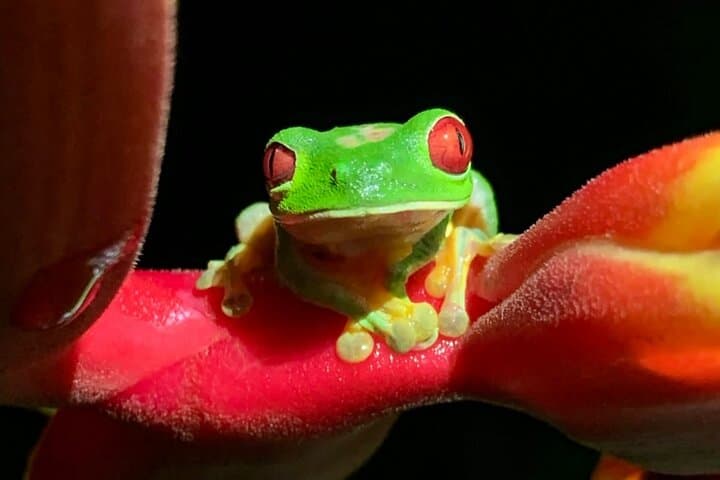
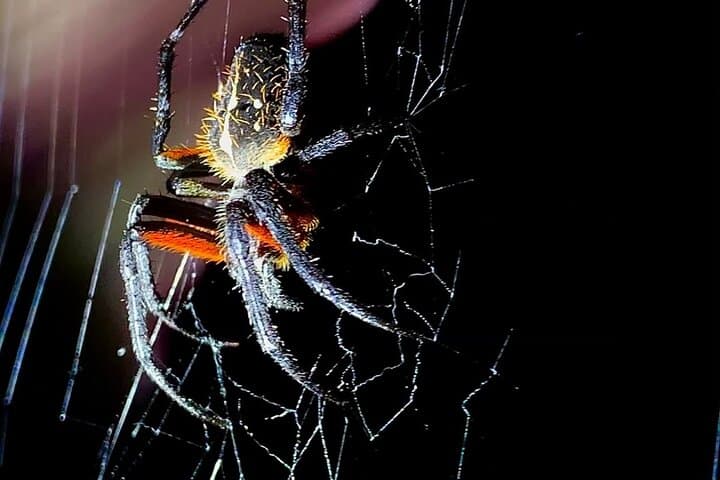
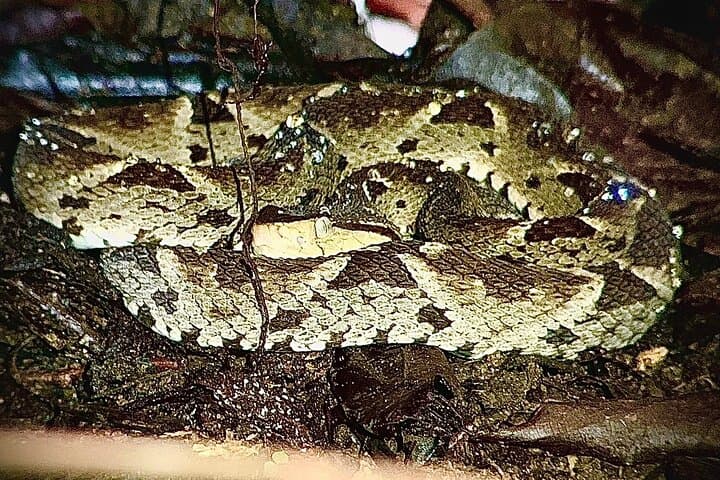
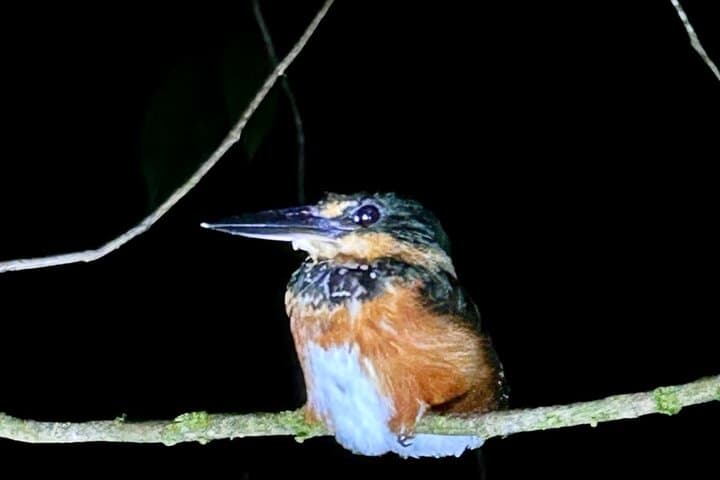
A narrow trail under a ceiling of leaves becomes a corridor; the guide's beam picks out a darting frog, then a pause as a sloth watches from high branches. On this shared night walk near Manuel Antonio, the forest changes language—calls and clicks replace daytime bird song—and every rustle feels deliberate.
A narrow trail under a ceiling of leaves becomes a corridor; the guide's beam picks out a darting frog, then a pause as a sloth watches from high branches. On this shared night walk near Manuel Antonio, the forest changes language—calls and clicks replace daytime bird song—and every rustle feels deliberate.
Manuel Antonio sits on Costa Rica’s central Pacific coast, an area shaped by volcanic uplift and heavy tropical rainfall that produces steep ridges, mangrove-lined coves, and biodiverse lowland rainforest. The park and surrounding private reserves have long been important to local communities for fishing and tourism; certified naturalist guides trained here combine biology with cultural knowledge to interpret nocturnal behavior and habitat links.
Expect close-up views of amphibians, nocturnal reptiles, insects, and small mammals guided by crews carrying specialist night optics and photography gear. The path is generally compacted soil with occasional roots and low steps—easy walking but uneven underfoot. Guides emphasize low-impact viewing: small groups, quiet voices, and no bright flashes to avoid stressing wildlife.
Practical essentials: plan for 2–4 hours, bring a headlamp with red filter or use guide lighting, wear closed-toe shoes and light long sleeves to deter insects, and carry water. Timing matters—after dusk is most active—and steady hands and patience reward photographers. The experience is suitable for families and casual walkers; mobility issues should be discussed at booking. By keeping to trails and following guide instructions you maximize sightings while protecting fragile nocturnal life.