THE ADVENTURE COLLECTIVE® · Independent discovery and booking for outdoor travel

A two-hour guided walk through Manuel Antonio National Park that pairs close wildlife viewing with an ending on a pristine Pacific beach. Ideal for visitors wanting efficient, expert-led encounters with sloths, monkeys and tropical birds.
A two-hour guided walk through Manuel Antonio National Park that pairs close wildlife viewing with an ending on a pristine Pacific beach. Ideal for visitors wanting efficient, expert-led encounters with sloths, monkeys and tropical birds.
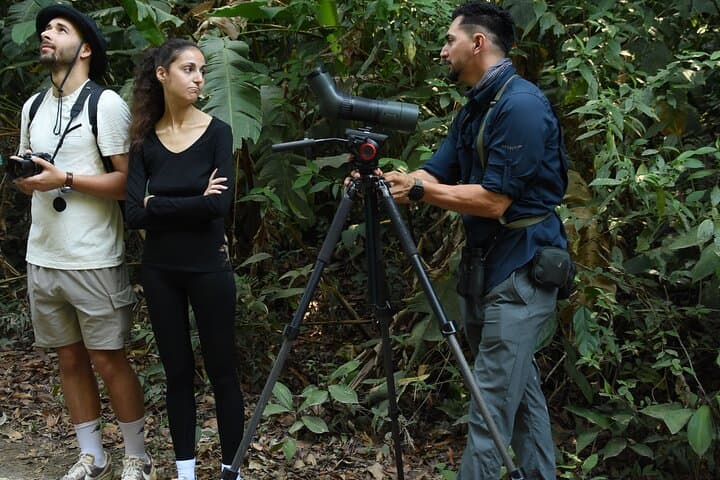
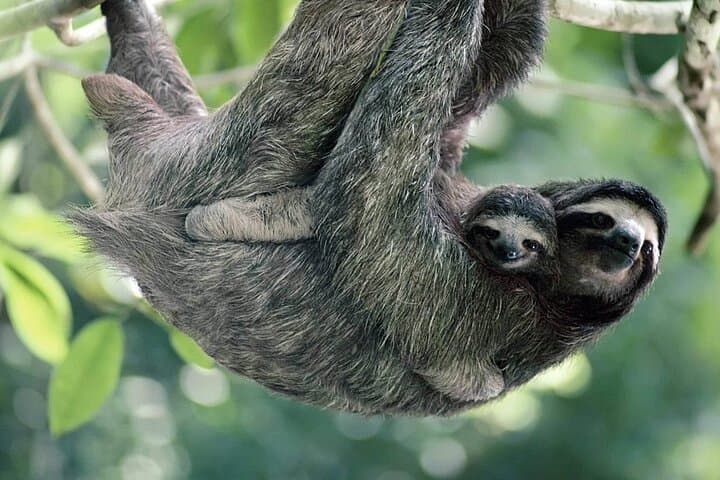
You step off a shaded path and the rainforest exhales—humidity, birdsong and the distant crash of Pacific surf. The guide trains a spotting scope on a branch; a sloth stares back with slow curiosity while capuchin monkeys audition mid-canopy. Within two hours this loop moves from humid jungle corridors to a sunlit crescent of sand where the ocean dares you to sit and breathe.
Verified experiences and guided adventures in the surrounding area.
Operated by Destiny Nature Tours · Quepos, Puntarenas
You step off a shaded path and the rainforest exhales—humidity, birdsong and the distant crash of Pacific surf. The guide trains a spotting scope on a branch; a sloth stares back with slow curiosity while capuchin monkeys audition mid-canopy. Within two hours this loop moves from humid jungle corridors to a sunlit crescent of sand where the ocean dares you to sit and breathe.
Manuel Antonio National Park, created in 1972, sits on coastal terraces carved by volcanic uplift and tropical erosion. That geology produces steep ridges, rocky headlands and small beaches tucked between promontories—perfect microhabitats for amphibians, toucans and coastal mammals. The surrounding towns of Quepos and the fishing culture here grew around the bay; local guides combine natural-history knowledge with community stewardship.
On the trail expect compacted dirt, exposed roots and short stair sections—nothing technical, but watch your footing. The guide provides a Swarovski spotting scope and points out species, behavior and ecological roles, explaining how tides, forest edges and human history shape sightings.
Practical notes: the walk is about 2 hours round-trip and concludes at one of Manuel Antonio’s main beaches; bring reef-safe sunscreen, at least 1 liter of water, insect repellent and sturdy closed-toe shoes. Start early to avoid midday heat and crowds and keep a respectful distance—feeding or chasing wildlife harms both animals and your chance of good photos. Cameras and phones work well; guides will often share photos taken through the scope. With basic prep, this tour is an efficient, informative way to see the park’s signature wildlife and end your hike with salt air and sand underfoot.
easy.
2 hours.
Suitable for most fitness levels—light walking on well-marked trails with short stair sections; ability to walk for 2 hours recommended.
The tour lasts about two hours and follows main park trails, finishing at one of the park’s central beaches where you can relax before returning.
Policies vary—confirm with the operator before booking; many guided walks include guide fees but require visitors to pay park entrance separately at the gate.
The operator notes stroller access for infants and small children, but some trail sections have roots and steps—bring a carrier if you plan to tackle uneven stretches.
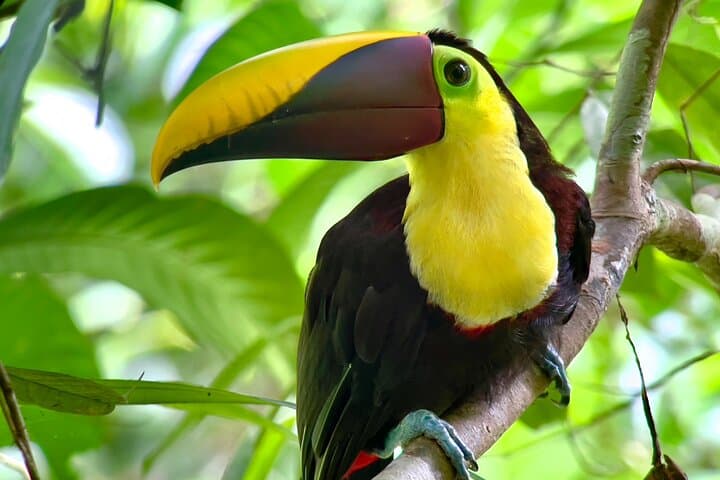
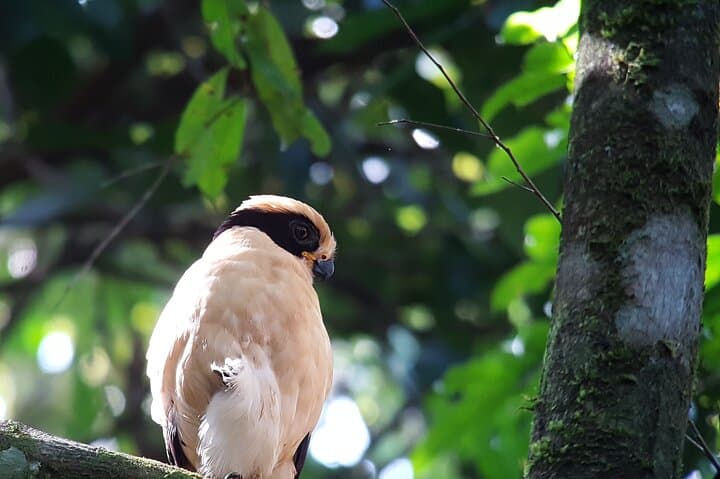
Common sightings include white-faced capuchin monkeys, two-toed sloths, toucans and a variety of tropical birds; sightings aren’t guaranteed but guides maximize viewing opportunities.
Manuel Antonio National Park was established in 1972 to protect a compact but biodiverse stretch of Pacific coastal rainforest and beaches, becoming one of Costa Rica’s most visited reserves.
Stay on marked trails and avoid feeding wildlife—visitor fees and guide programs support habitat protection and local conservation initiatives.
Destiny Nature Tours operates guided outdoor trips and adventures with an emphasis on safety, stewardship, and memorable experiences.
You step off a shaded path and the rainforest exhales—humidity, birdsong and the distant crash of Pacific surf. The guide trains a spotting scope on a branch; a sloth stares back with slow curiosity while capuchin monkeys audition mid-canopy. Within two hours this loop moves from humid jungle corridors to a sunlit crescent of sand where the ocean dares you to sit and breathe.
You step off a shaded path and the rainforest exhales—humidity, birdsong and the distant crash of Pacific surf. The guide trains a spotting scope on a branch; a sloth stares back with slow curiosity while capuchin monkeys audition mid-canopy. Within two hours this loop moves from humid jungle corridors to a sunlit crescent of sand where the ocean dares you to sit and breathe.
Manuel Antonio National Park, created in 1972, sits on coastal terraces carved by volcanic uplift and tropical erosion. That geology produces steep ridges, rocky headlands and small beaches tucked between promontories—perfect microhabitats for amphibians, toucans and coastal mammals. The surrounding towns of Quepos and the fishing culture here grew around the bay; local guides combine natural-history knowledge with community stewardship.
On the trail expect compacted dirt, exposed roots and short stair sections—nothing technical, but watch your footing. The guide provides a Swarovski spotting scope and points out species, behavior and ecological roles, explaining how tides, forest edges and human history shape sightings.
Practical notes: the walk is about 2 hours round-trip and concludes at one of Manuel Antonio’s main beaches; bring reef-safe sunscreen, at least 1 liter of water, insect repellent and sturdy closed-toe shoes. Start early to avoid midday heat and crowds and keep a respectful distance—feeding or chasing wildlife harms both animals and your chance of good photos. Cameras and phones work well; guides will often share photos taken through the scope. With basic prep, this tour is an efficient, informative way to see the park’s signature wildlife and end your hike with salt air and sand underfoot.