THE ADVENTURE COLLECTIVE® · Independent discovery and booking for outdoor travel

Walk the Pérezoso (Sloth) Trail in Manuel Antonio National Park with a naturalist guide to find sloths, monkeys, and seabirds up close. This 2–3 hour small-group tour combines focused wildlife viewing with local natural history and photography support.
Walk the Pérezoso (Sloth) Trail in Manuel Antonio National Park with a naturalist guide to find sloths, monkeys, and seabirds up close. This 2–3 hour small-group tour combines focused wildlife viewing with local natural history and photography support.
Morning humidity brushes your face as you step onto the Pérezoso (Sloth) Trail, binoculars lifted and guide voice low but keen. The jungle breathes around you — bromeliads catching raindrops, a tawny sloth chewing leaves like a slow clock, and capuchin monkeys daring the canopy to clatter. This is a walk built for close observation: a quiet, two- to three-hour drift through lowland tropical forest where each bend increases the chance of a photographic moment.
Verified experiences and guided adventures in the surrounding area.
Operated by Felix Parra Hernandez · Quepos, Puntarenas
Morning humidity brushes your face as you step onto the Pérezoso (Sloth) Trail, binoculars lifted and guide voice low but keen. The jungle breathes around you — bromeliads catching raindrops, a tawny sloth chewing leaves like a slow clock, and capuchin monkeys daring the canopy to clatter. This is a walk built for close observation: a quiet, two- to three-hour drift through lowland tropical forest where each bend increases the chance of a photographic moment.
Manuel Antonio became a national park in the early 1970s to protect coastal forest and reef habitat; the geology here is volcanic rock carved by tides, producing steep headlands and small sandy coves. The cultural fabric of nearby Quepos is woven from fishing, cocoa farms, and tourism—local guides often share natural history alongside stories of coastal life.
Expect a compact trail network, packed soil, roots, and short boardwalks that keep you close to bird activity and tide-swept shorelines. The guide’s HD telescope and binoculars bring shy wildlife forward; photography and video are commonly included, so plan low-impact framing and patience. Morning visits yield the liveliest animal activity; afternoon rains are frequent in the wet months and will change footing and insect levels.
Practical notes: wear sturdy shoes with grip, bring 1–2 liters of water, insect repellent, and sun protection. The tour is stroller-accessible for short sections and suits most fitness levels, but the park restricts numbers—book in advance and allow time for park entry. Stay on trails, avoid feeding animals, and keep camera clicks steady—here the forest is the main character.
easy.
2–3 hours.
Suitable for most fitness levels; light walking on uneven, sometimes muddy ground.
The guided tour runs about 2–3 hours on the Pérezoso Trail and nearby sections of the park.
Guides know habitual animal areas and sightings are common, but wildlife is never guaranteed—early starts improve odds.
Short sections are stroller-accessible and the tour is family-friendly, but some uneven terrain may require carrying small children.
Full refunds are available if you cancel at least 24 hours before the scheduled departure; tours may be canceled for bad weather.
Manuel Antonio National Park was established in the early 1970s to protect coastal rainforest and marine habitats near Quepos, reflecting Costa Rica’s early conservation push.
Visitor numbers are managed and feeding wildlife is prohibited—stay on marked trails, pack out waste, and follow your guide’s low-impact instructions to protect habitat.
Felix Parra Hernandez operates guided outdoor trips and adventures with an emphasis on safety, stewardship, and memorable experiences.



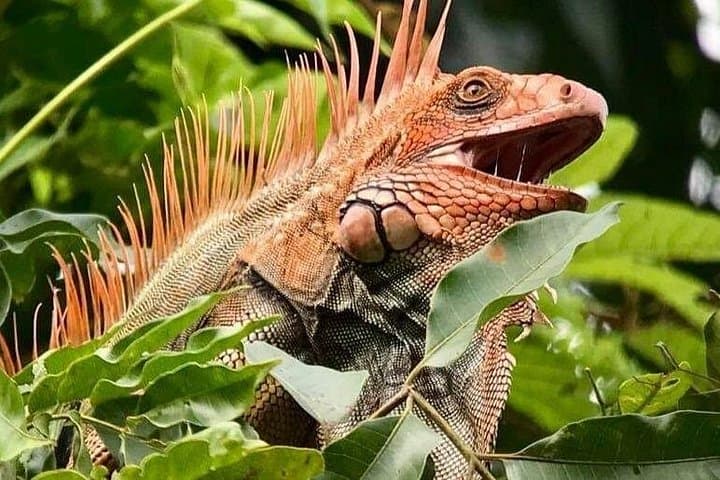
Morning humidity brushes your face as you step onto the Pérezoso (Sloth) Trail, binoculars lifted and guide voice low but keen. The jungle breathes around you — bromeliads catching raindrops, a tawny sloth chewing leaves like a slow clock, and capuchin monkeys daring the canopy to clatter. This is a walk built for close observation: a quiet, two- to three-hour drift through lowland tropical forest where each bend increases the chance of a photographic moment.
Morning humidity brushes your face as you step onto the Pérezoso (Sloth) Trail, binoculars lifted and guide voice low but keen. The jungle breathes around you — bromeliads catching raindrops, a tawny sloth chewing leaves like a slow clock, and capuchin monkeys daring the canopy to clatter. This is a walk built for close observation: a quiet, two- to three-hour drift through lowland tropical forest where each bend increases the chance of a photographic moment.
Manuel Antonio became a national park in the early 1970s to protect coastal forest and reef habitat; the geology here is volcanic rock carved by tides, producing steep headlands and small sandy coves. The cultural fabric of nearby Quepos is woven from fishing, cocoa farms, and tourism—local guides often share natural history alongside stories of coastal life.
Expect a compact trail network, packed soil, roots, and short boardwalks that keep you close to bird activity and tide-swept shorelines. The guide’s HD telescope and binoculars bring shy wildlife forward; photography and video are commonly included, so plan low-impact framing and patience. Morning visits yield the liveliest animal activity; afternoon rains are frequent in the wet months and will change footing and insect levels.
Practical notes: wear sturdy shoes with grip, bring 1–2 liters of water, insect repellent, and sun protection. The tour is stroller-accessible for short sections and suits most fitness levels, but the park restricts numbers—book in advance and allow time for park entry. Stay on trails, avoid feeding animals, and keep camera clicks steady—here the forest is the main character.