THE ADVENTURE COLLECTIVE® · Independent discovery and booking for outdoor travel

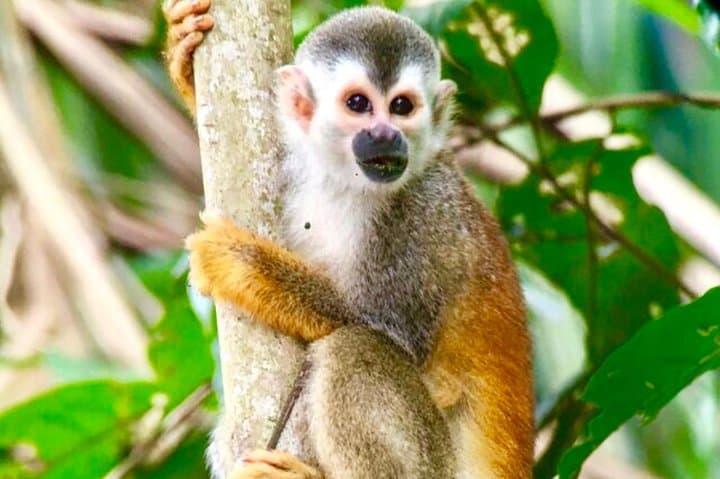
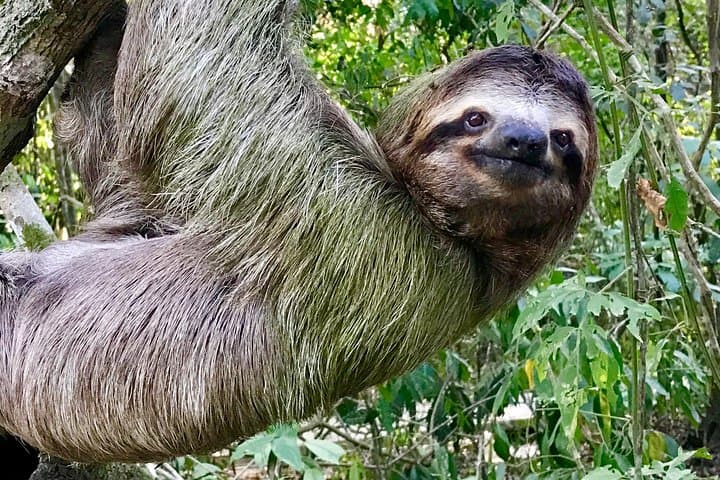
Spend a half day tracking sloths and monkeys through low coastal rainforest before unwinding on one of Costa Rica’s most famous beaches. This guided tour combines accessible trails, abundant wildlife and beach time—ideal for travelers seeking high wildlife density with minimal hiking effort.
Spend a half day tracking sloths and monkeys through low coastal rainforest before unwinding on one of Costa Rica’s most famous beaches. This guided tour combines accessible trails, abundant wildlife and beach time—ideal for travelers seeking high wildlife density with minimal hiking effort.
You step off the shaded trail and the Pacific opens: a sterile blue that dares you closer while forest sounds press in from both sides. Trails in Manuel Antonio thread through low coastal rainforest, skirt rocky headlands and drop onto white-sand coves where iguanas sun themselves and capuchin monkeys inspect your backpack.
Verified experiences and guided adventures in the surrounding area.
Operated by Mike's Nature Tours · Quepos, Puntarenas
You step off the shaded trail and the Pacific opens: a sterile blue that dares you closer while forest sounds press in from both sides. Trails in Manuel Antonio thread through low coastal rainforest, skirt rocky headlands and drop onto white-sand coves where iguanas sun themselves and capuchin monkeys inspect your backpack.
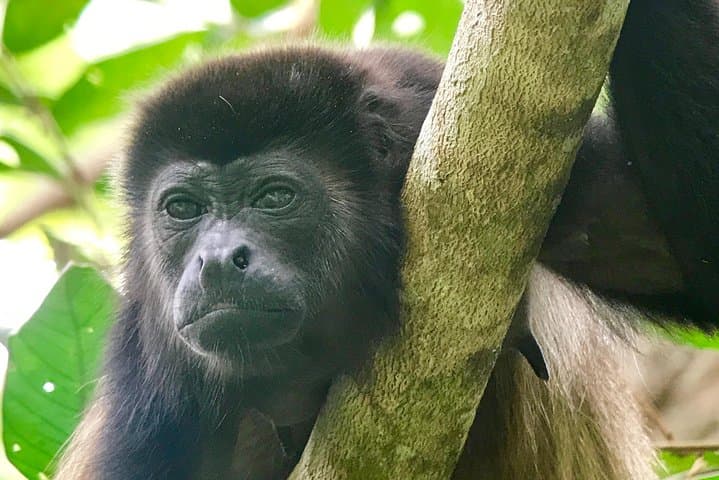
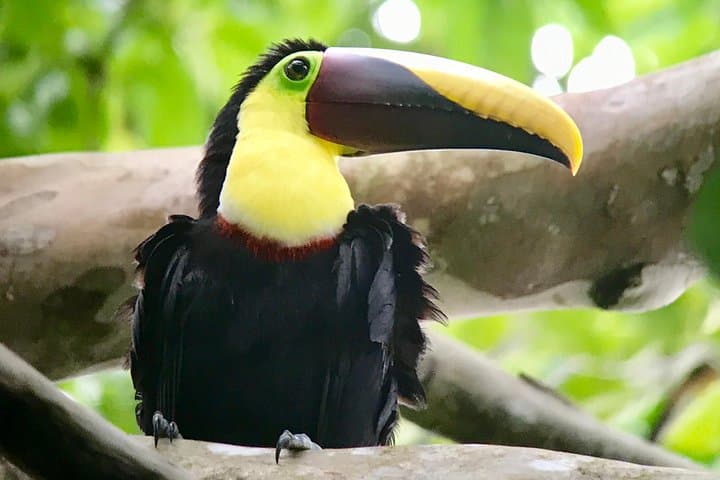
Established in 1972 to protect one of Costa Rica’s most accessible rainforests, Manuel Antonio sits on volcanic coastal rock shaped by waves and rivers. The hills are modest—outcrops of basalt and compacted sediments—covered in dense understory and emergent trees that attract toucans, sloths and a loud chorus of howler monkeys. Nearby Quepos began as a fishing village and still supplies the park with fresh-caught seafood and a relaxed Puntarenas‑coast culture.
Practicalities: the park’s maintained trail network is compact—roughly 4 km (2.5 miles) of main trails with wooden boardwalks, short rocky sections and minimal elevation (typically under 100 m / 330 ft cumulative). Guided half‑day tours commonly last about four hours and include beach time; entrance fees are required and often included by operators.
Plan to go early for the best wildlife viewing and cooler air, wear sturdy trail shoes for slippery boardwalks and rock approaches, and bring reef‑safe sunscreen and a lightweight rain jacket—tropical downpours are frequent May–November. Carry water and binoculars, stash valuables in zipped bags when monkeys are nearby, and leave no trace: the park’s wildlife depends on quiet, predictable human behavior.
easy.
4 hours.
Suitable for most fitness levels; mostly flat trails with short rocky sections—expect light walking and some beach scrambling.
Many tour operators include the Manuel Antonio park entrance in the tour price; confirm at booking.
Yes—main beaches like Playa Manuel Antonio are swim‑friendly but watch for currents and obey lifeguard or guide advice.
Yes; trails are short and mostly flat, and guides tailor pace—however, monitor children near steep rocky points and the shoreline.
Common sightings include two‑ and three‑toed sloths, white‑faced capuchin and howler monkeys, iguanas, and a variety of bird species like toucans and motmots.
Manuel Antonio National Park was created in 1972 to protect coastal rainforest near the fishing town of Quepos and has since become a model for balancing conservation and sustainable tourism.
The park limits daily visitors and enforces trail rules to reduce wildlife disturbance; use reef‑safe products and pack out waste to support local conservation.
Mike's Nature Tours operates guided outdoor trips and adventures with an emphasis on safety, stewardship, and memorable experiences.
You step off the shaded trail and the Pacific opens: a sterile blue that dares you closer while forest sounds press in from both sides. Trails in Manuel Antonio thread through low coastal rainforest, skirt rocky headlands and drop onto white-sand coves where iguanas sun themselves and capuchin monkeys inspect your backpack.
You step off the shaded trail and the Pacific opens: a sterile blue that dares you closer while forest sounds press in from both sides. Trails in Manuel Antonio thread through low coastal rainforest, skirt rocky headlands and drop onto white-sand coves where iguanas sun themselves and capuchin monkeys inspect your backpack.
Established in 1972 to protect one of Costa Rica’s most accessible rainforests, Manuel Antonio sits on volcanic coastal rock shaped by waves and rivers. The hills are modest—outcrops of basalt and compacted sediments—covered in dense understory and emergent trees that attract toucans, sloths and a loud chorus of howler monkeys. Nearby Quepos began as a fishing village and still supplies the park with fresh-caught seafood and a relaxed Puntarenas‑coast culture.
Practicalities: the park’s maintained trail network is compact—roughly 4 km (2.5 miles) of main trails with wooden boardwalks, short rocky sections and minimal elevation (typically under 100 m / 330 ft cumulative). Guided half‑day tours commonly last about four hours and include beach time; entrance fees are required and often included by operators.
Plan to go early for the best wildlife viewing and cooler air, wear sturdy trail shoes for slippery boardwalks and rock approaches, and bring reef‑safe sunscreen and a lightweight rain jacket—tropical downpours are frequent May–November. Carry water and binoculars, stash valuables in zipped bags when monkeys are nearby, and leave no trace: the park’s wildlife depends on quiet, predictable human behavior.