THE ADVENTURE COLLECTIVE® · Independent discovery and booking for outdoor travel

A short guided loop through lowland rainforest that often ends on a pristine white-sand beach. Expect close wildlife encounters, short, mostly flat trails, and included transport and snacks.
A short guided loop through lowland rainforest that often ends on a pristine white-sand beach. Expect close wildlife encounters, short, mostly flat trails, and included transport and snacks.
The trail opens under a hot, humming canopy and immediately the forest begins to move — howler monkeys bellow from high branches and small birds skitter through understory palms. The walk threads low coastal rainforest down to a white-sand cove where surf pushes against granite outcrops and the ocean smells like salt and ceiba resin.
Verified experiences and guided adventures in the surrounding area.
Operated by Iguana Tours · Quepos, Puntarenas
The trail opens under a hot, humming canopy and immediately the forest begins to move — howler monkeys bellow from high branches and small birds skitter through understory palms. The walk threads low coastal rainforest down to a white-sand cove where surf pushes against granite outcrops and the ocean smells like salt and ceiba resin.
Manuel Antonio National Park sits on the central Pacific coast of Costa Rica, formed by uplifted coastal terraces and volcanic soils that feed the park’s rich biodiversity. Established in 1972 to protect one of the country’s smallest but most wildlife-dense reserves, it’s a place where local fishing villages and tourism economies meet long-standing conservation efforts.
On a guided 3–4 hour tour visitors follow maintained trails that wind between shaded boardwalks and rocky viewpoints, ending at the park’s main beach. Expect low elevation walking (mostly flat with short graded stairs), frequent wildlife encounters — white-faced capuchins, two- and three-toed sloths, toucans and iguanas — and the chance to swim in sheltered bays when conditions allow.
Practical details: tours typically include hotel pickup, snacks and admission; groups are small (max ~10) and accessible options are available. Wear sturdy shoes, bring 1–2 liters of water, reef-safe sunscreen and a light rain layer during the wet season. Morning departures give the best light and wildlife activity and help you avoid midday heat and crowds.
Treat wildlife with distance, follow your guide’s instructions, and leave no trace — the park’s trails and beaches are fragile, and responsible visitation keeps the forest working for both people and wildlife.
easy.
3–4 hours.
Suitable for most fitness levels; participants should be comfortable walking 1–3 miles on uneven, sometimes wet surfaces.
Yes — this tour lists park admission as included so you won’t need to purchase a separate ticket at the gate.
The tour notes wheelchair-accessible transportation and options, but paths within the park include stairs and uneven sections; check with the operator about specific access needs.
Yes, you can swim at the park’s main beaches when lifeguard conditions permit; always follow your guide’s advice about currents and safe areas.
Dry season (December–April) offers easier trails and more predictable conditions, but the wet season can bring lush vegetation and active amphibians — mornings are best year-round.
Protected in 1972, Manuel Antonio was set aside to preserve coastal rainforest and the livelihoods of nearby Quepos fishing communities as tourism grew.
Visitor limits and managed trails reduce habitat impact; choose certified operators and avoid single-use plastics to support park conservation.
Iguana Tours operates guided outdoor trips and adventures with an emphasis on safety, stewardship, and memorable experiences.
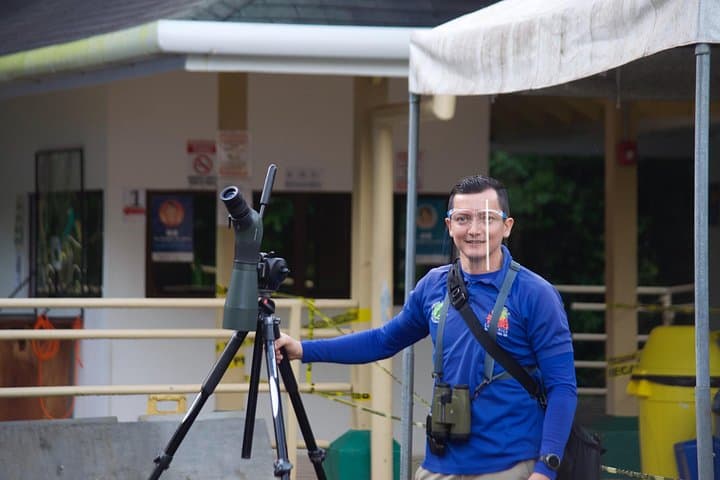
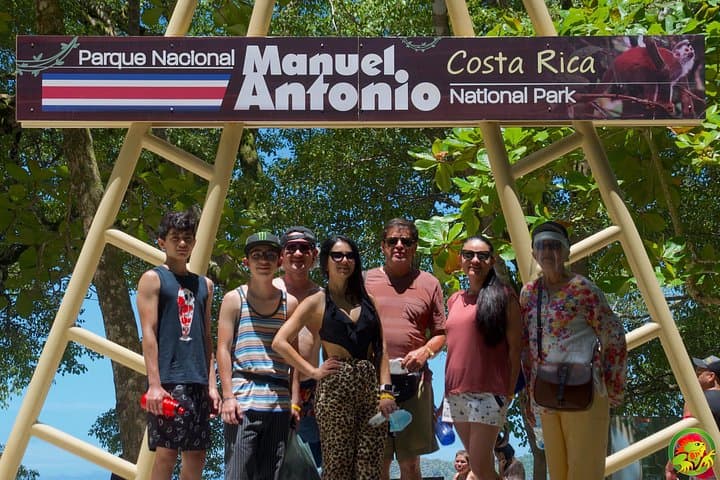
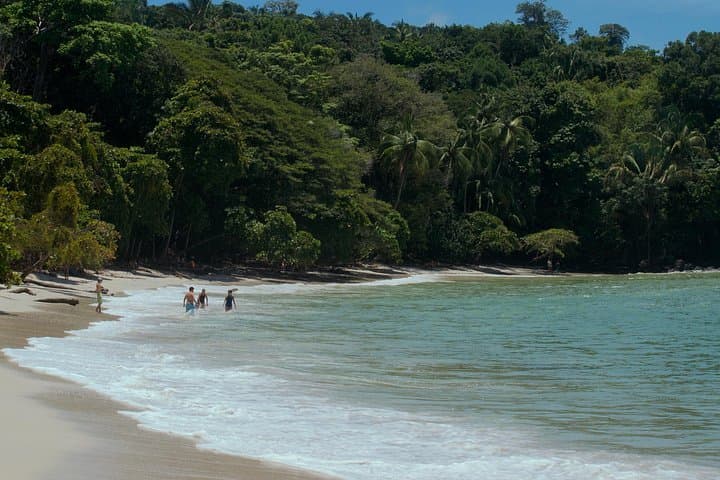
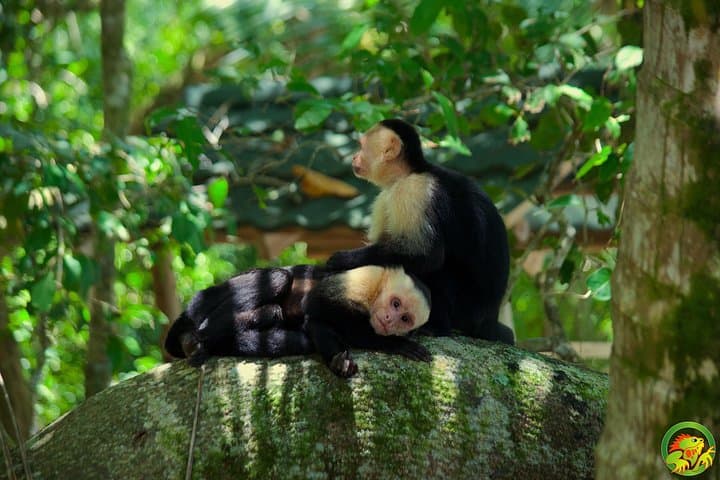
The trail opens under a hot, humming canopy and immediately the forest begins to move — howler monkeys bellow from high branches and small birds skitter through understory palms. The walk threads low coastal rainforest down to a white-sand cove where surf pushes against granite outcrops and the ocean smells like salt and ceiba resin.
The trail opens under a hot, humming canopy and immediately the forest begins to move — howler monkeys bellow from high branches and small birds skitter through understory palms. The walk threads low coastal rainforest down to a white-sand cove where surf pushes against granite outcrops and the ocean smells like salt and ceiba resin.
Manuel Antonio National Park sits on the central Pacific coast of Costa Rica, formed by uplifted coastal terraces and volcanic soils that feed the park’s rich biodiversity. Established in 1972 to protect one of the country’s smallest but most wildlife-dense reserves, it’s a place where local fishing villages and tourism economies meet long-standing conservation efforts.
On a guided 3–4 hour tour visitors follow maintained trails that wind between shaded boardwalks and rocky viewpoints, ending at the park’s main beach. Expect low elevation walking (mostly flat with short graded stairs), frequent wildlife encounters — white-faced capuchins, two- and three-toed sloths, toucans and iguanas — and the chance to swim in sheltered bays when conditions allow.
Practical details: tours typically include hotel pickup, snacks and admission; groups are small (max ~10) and accessible options are available. Wear sturdy shoes, bring 1–2 liters of water, reef-safe sunscreen and a light rain layer during the wet season. Morning departures give the best light and wildlife activity and help you avoid midday heat and crowds.
Treat wildlife with distance, follow your guide’s instructions, and leave no trace — the park’s trails and beaches are fragile, and responsible visitation keeps the forest working for both people and wildlife.