THE ADVENTURE COLLECTIVE® · Independent discovery and booking for outdoor travel

Spend a guided morning searching for sloths and monkeys in Manuel Antonio National Park, then unwind on a sheltered white-sand beach. This small-group tour includes entrance fees, a certified guide, transport, and spotting scopes for close-up wildlife viewing.
Spend a guided morning searching for sloths and monkeys in Manuel Antonio National Park, then unwind on a sheltered white-sand beach. This small-group tour includes entrance fees, a certified guide, transport, and spotting scopes for close-up wildlife viewing.
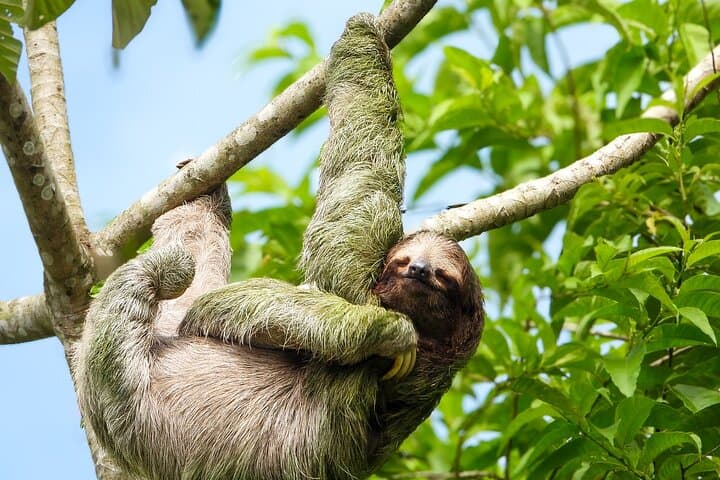
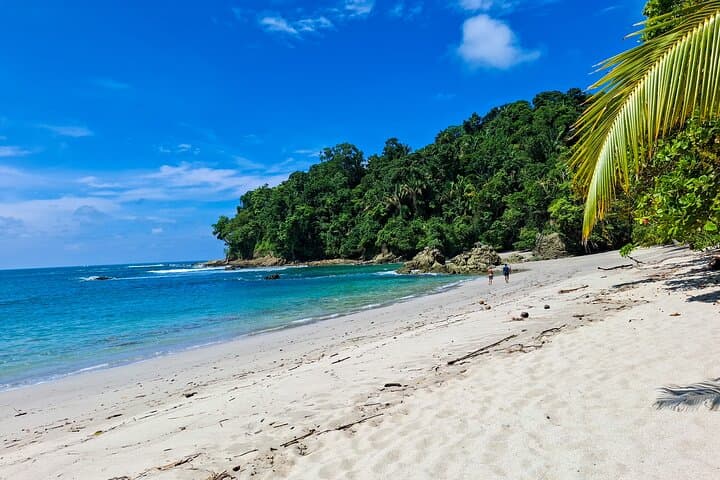
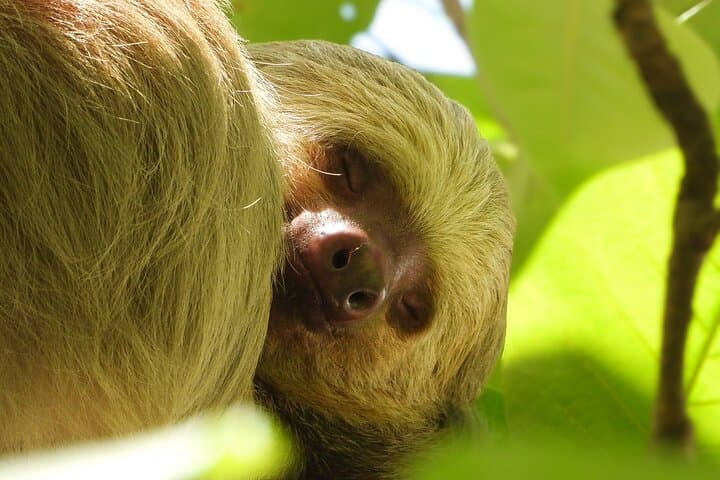
You step out of the air-conditioned van and the forest reaches for you—humid, green, and loud with bird calls. A bilingual guide checks names near Donde Alex, and the trail eases you under a canopy where leaves drip and a sloth eyes you like a slow clock. The path opens onto powder-white sand and the Pacific surf, where tide pools and rock shelves pull at your curiosity.
Verified experiences and guided adventures in the surrounding area.
Operated by Quepos Info Center · Quepos, Puntarenas
You step out of the air-conditioned van and the forest reaches for you—humid, green, and loud with bird calls. A bilingual guide checks names near Donde Alex, and the trail eases you under a canopy where leaves drip and a sloth eyes you like a slow clock. The path opens onto powder-white sand and the Pacific surf, where tide pools and rock shelves pull at your curiosity.
Manuel Antonio was set aside in the early 1970s to protect one of Costa Rica’s most accessible coastal rainforests. The park’s geology is coastal headlands and small promontories—granite outcrops smoothed by waves, backed by steep, wet slopes that funnel freshwater into the sea. Local guides, many from Quepos, pair natural history with cultural notes about fishing communities and conservation efforts that fund ranger patrols and habitat restoration.
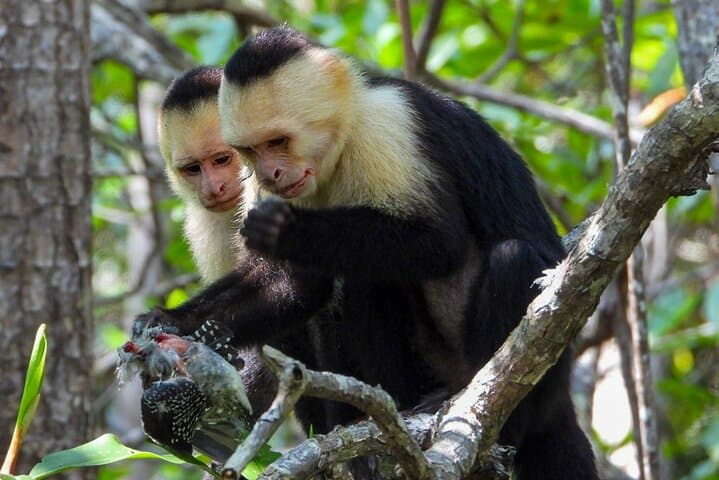
On this small-group tour expect a focused 3-hour guided walk using spotting scopes to find sloths, white-faced capuchins, iguanas, and colorful tanagers, followed by free time on Manuel Antonio’s sheltered beach. Trails are shaded and relatively short but can be slippery after rain.
Practical tips: arrive with sturdy, grippy shoes, reef-safe sunscreen, and a refillable water bottle; the guide handles entrance fees and logistics. Plan around the dry season for calmer seas and clearer wildlife viewing, but come prepared for sudden tropical showers year-round. Leave only footprints—this park’s small size makes responsible visitation crucial to keeping wildlife wild.
easy.
3 hours (guided portion).
Suitable for most fitness levels; participants should be able to walk gentle, uneven trails for up to 90 minutes.
Entrance fees, a certified bilingual guide, transport from the meeting point, snacks, and the use of spotting scopes are included.
The tour is family-friendly; official notes indicate wheelchair accessibility for some meeting points, but trail sections inside the park can be uneven—check specific accessibility needs with the operator.
Early morning in the dry season (December–April) often offers the best visibility and active wildlife, though animals can be seen year-round.
Yes—Manuel Antonio Beach is suitable for swimming, but always heed local flags and guide advice about currents and tide conditions.
Created in the early 1970s, Manuel Antonio preserves a compact mix of coastal rainforest and marine habitats popularized by Costa Rica’s conservation movement.
High visitation requires strict park rules; use of single-use plastics and feeding wildlife is prohibited to protect fragile ecosystems and support ongoing ranger work.
Quepos Info Center operates guided outdoor trips and adventures with an emphasis on safety, stewardship, and memorable experiences.
You step out of the air-conditioned van and the forest reaches for you—humid, green, and loud with bird calls. A bilingual guide checks names near Donde Alex, and the trail eases you under a canopy where leaves drip and a sloth eyes you like a slow clock. The path opens onto powder-white sand and the Pacific surf, where tide pools and rock shelves pull at your curiosity.
You step out of the air-conditioned van and the forest reaches for you—humid, green, and loud with bird calls. A bilingual guide checks names near Donde Alex, and the trail eases you under a canopy where leaves drip and a sloth eyes you like a slow clock. The path opens onto powder-white sand and the Pacific surf, where tide pools and rock shelves pull at your curiosity.
Manuel Antonio was set aside in the early 1970s to protect one of Costa Rica’s most accessible coastal rainforests. The park’s geology is coastal headlands and small promontories—granite outcrops smoothed by waves, backed by steep, wet slopes that funnel freshwater into the sea. Local guides, many from Quepos, pair natural history with cultural notes about fishing communities and conservation efforts that fund ranger patrols and habitat restoration.
On this small-group tour expect a focused 3-hour guided walk using spotting scopes to find sloths, white-faced capuchins, iguanas, and colorful tanagers, followed by free time on Manuel Antonio’s sheltered beach. Trails are shaded and relatively short but can be slippery after rain.
Practical tips: arrive with sturdy, grippy shoes, reef-safe sunscreen, and a refillable water bottle; the guide handles entrance fees and logistics. Plan around the dry season for calmer seas and clearer wildlife viewing, but come prepared for sudden tropical showers year-round. Leave only footprints—this park’s small size makes responsible visitation crucial to keeping wildlife wild.