THE ADVENTURE COLLECTIVE® · Independent discovery and booking for outdoor travel

Spend a full day exploring Manuel Antonio’s coastal rainforest trails, wildlife and pristine beaches on a guided tour from San José. Expect short hikes, wildlife sightings like monkeys and sloths, and beach time at one of Costa Rica’s most visited national parks.
Spend a full day exploring Manuel Antonio’s coastal rainforest trails, wildlife and pristine beaches on a guided tour from San José. Expect short hikes, wildlife sightings like monkeys and sloths, and beach time at one of Costa Rica’s most visited national parks.
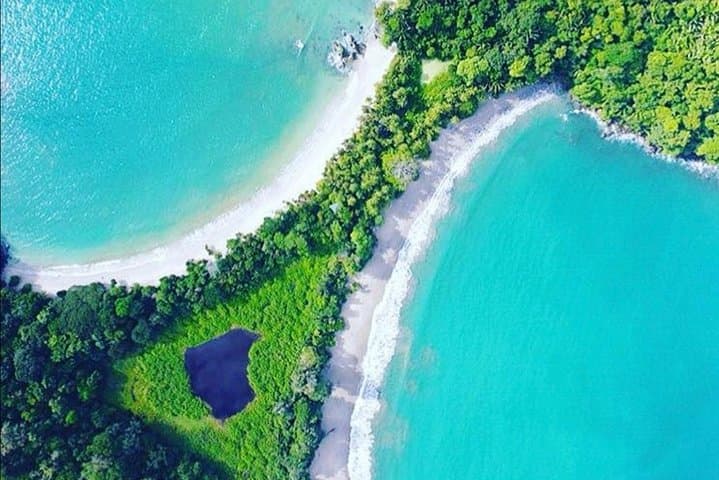
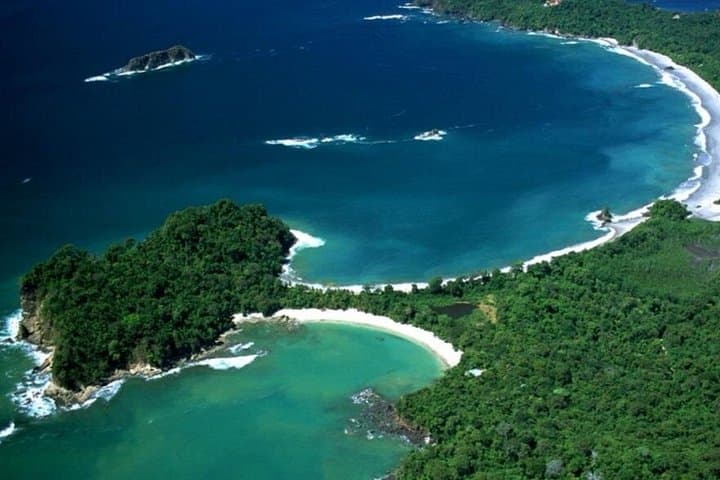
You step off the van and the air changes — warm, salty, and fragrant with wet leaves — as the forest seems to reach out and pull you along the trail. Trails in Manuel Antonio cut through low coastal rainforest, curve around rocky headlands and spill onto a single sweep of white sand that often leaves visitors incredulous.
Verified experiences and guided adventures in the surrounding area.
Operated by AyE Tours Travel Costa Rica · Quepos, Puntarenas
You step off the van and the air changes — warm, salty, and fragrant with wet leaves — as the forest seems to reach out and pull you along the trail. Trails in Manuel Antonio cut through low coastal rainforest, curve around rocky headlands and spill onto a single sweep of white sand that often leaves visitors incredulous.
The park sits on Costa Rica’s central Pacific coast near Quepos and has been protected since the 1970s to preserve a compact mix of beach, forest and marine habitat. Geologically the coast is shaped by uplifted volcanic rock and beaches formed from eroded volcanic and coral material; ages of shifting tides have carved the headlands you’ll hike to for views. Locally, fishing and small-scale tourism coexist with the park’s conservation efforts, and guides often share cultural notes about Quepos’ fishing heritage and the region’s conservation milestones.
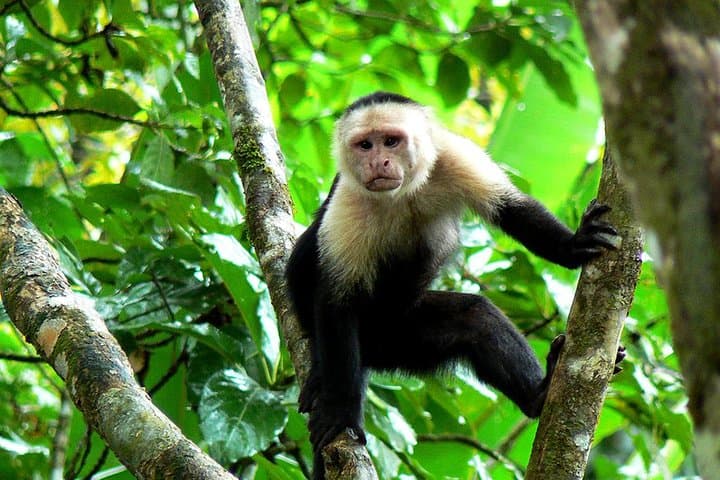
On the trail expect short, well-maintained paths—most segments run 0.8–3.2 km (0.5–2 miles) each—with gentle elevation changes typically under ~200 feet (60 m). Terrain alternates packed dirt, boardwalks and occasional roots; some lookout points have rocky footing. Wildlife is the headline: capuchin and howler monkeys, sloths, colorful birds and iguanas regularly appear near the path, often bold enough to pause and observe you.
Practical guidance: bring rain protection and reef-safe sunscreen, wear sturdy trail shoes with good grip, carry 2 liters of water and a light daypack. Morning visits reduce heat and crowds; your 12-hour day from San José will combine transport, guided walks and time to relax on the park’s beaches.
moderate.
12 hours.
Light to moderate fitness; comfortable walking on uneven ground for short stretches and a long day including travel time from San José
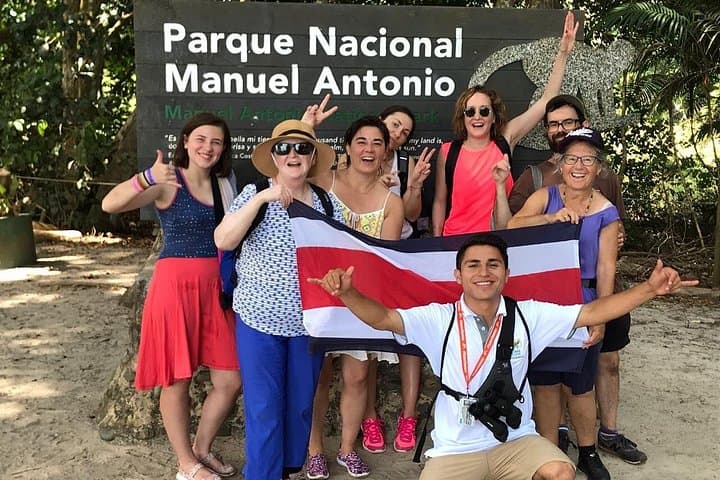
The tour is approximately 12 hours from San José and typically includes hotel pickup/drop-off, a licensed guide, breakfast, lunch and park entrance/facility fees.
Walking is on well-marked, short trails (0.5–2 miles per segment) with gentle elevation; it’s suitable for most fitness levels but involves uneven footing and humid conditions.
Yes—common sightings include white-faced capuchin monkeys, howler monkeys, sloths, iguanas and a variety of birds, though sightings cannot be guaranteed.
The park has relatively short, accessible sections and the tour notes stroller and wheelchair accessibility, but steep or rocky spots may limit full access for some visitors.
Manuel Antonio was established as a national park in the 1970s to protect a unique coastal rainforest and marine shoreline, growing into a model for community-linked ecotourism.
Park management limits development and visitor numbers in sensitive zones; visitors are asked to follow Leave No Trace practices and avoid feeding wildlife to reduce human-wildlife conflicts.
AyE Tours Travel Costa Rica operates guided outdoor trips and adventures with an emphasis on safety, stewardship, and memorable experiences.
You step off the van and the air changes — warm, salty, and fragrant with wet leaves — as the forest seems to reach out and pull you along the trail. Trails in Manuel Antonio cut through low coastal rainforest, curve around rocky headlands and spill onto a single sweep of white sand that often leaves visitors incredulous.
You step off the van and the air changes — warm, salty, and fragrant with wet leaves — as the forest seems to reach out and pull you along the trail. Trails in Manuel Antonio cut through low coastal rainforest, curve around rocky headlands and spill onto a single sweep of white sand that often leaves visitors incredulous.
The park sits on Costa Rica’s central Pacific coast near Quepos and has been protected since the 1970s to preserve a compact mix of beach, forest and marine habitat. Geologically the coast is shaped by uplifted volcanic rock and beaches formed from eroded volcanic and coral material; ages of shifting tides have carved the headlands you’ll hike to for views. Locally, fishing and small-scale tourism coexist with the park’s conservation efforts, and guides often share cultural notes about Quepos’ fishing heritage and the region’s conservation milestones.
On the trail expect short, well-maintained paths—most segments run 0.8–3.2 km (0.5–2 miles) each—with gentle elevation changes typically under ~200 feet (60 m). Terrain alternates packed dirt, boardwalks and occasional roots; some lookout points have rocky footing. Wildlife is the headline: capuchin and howler monkeys, sloths, colorful birds and iguanas regularly appear near the path, often bold enough to pause and observe you.
Practical guidance: bring rain protection and reef-safe sunscreen, wear sturdy trail shoes with good grip, carry 2 liters of water and a light daypack. Morning visits reduce heat and crowds; your 12-hour day from San José will combine transport, guided walks and time to relax on the park’s beaches.