THE ADVENTURE COLLECTIVE® · Independent discovery and booking for outdoor travel

Spend an immersive afternoon with a local naturalist in Manuel Antonio National Park—spot sloths and monkeys along shaded trails, then cool off on a sheltered beach. This guided walk combines close-up wildlife viewing with practical local insights and essential park logistics.
Spend an immersive afternoon with a local naturalist in Manuel Antonio National Park—spot sloths and monkeys along shaded trails, then cool off on a sheltered beach. This guided walk combines close-up wildlife viewing with practical local insights and essential park logistics.
The trail opens beneath a humidity-thick canopy and the air is alive with calls: a troop of capuchins chatter overhead while a slow-moving sloth bends the leaves into a still portrait. This afternoon walk through Manuel Antonio National Park blends shaded rainforest trails with a sudden splice of sand and surf, so you can move from binocular-ready wildlife watching to a quick dip in one of the park’s sheltered beaches within hours.
Verified experiences and guided adventures in the surrounding area.
Operated by Mike's Nature Tours · Quepos, Puntarenas
The trail opens beneath a humidity-thick canopy and the air is alive with calls: a troop of capuchins chatter overhead while a slow-moving sloth bends the leaves into a still portrait. This afternoon walk through Manuel Antonio National Park blends shaded rainforest trails with a sudden splice of sand and surf, so you can move from binocular-ready wildlife watching to a quick dip in one of the park’s sheltered beaches within hours.
Geology here is compact—rocky coastal promontories carved by Pacific swells meet a narrow coastal plain where tropical rainforest took hold. The park, established in 1972, protects lowland jungle and coastal habitat that has long supported local fishing communities; today, certified naturalist guides translate the ecology and local culture into on-trail stories and sharp identifications.
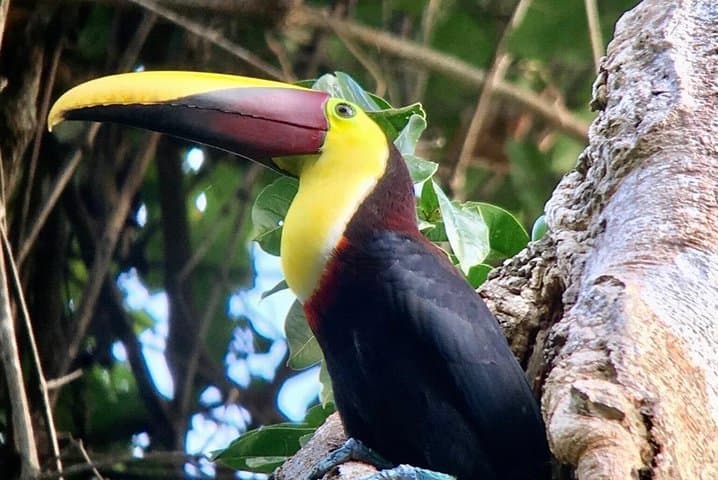
Expect to see three-toed sloths, white-faced capuchins, iguanas and a chorus of frogs and birds; guides bring spotting scopes and optics to make close views possible without disturbing animals. Trails are generally short and well-maintained, though they can be muddy after rain. There are accessible sections and beach access where swims are common—watch tides and currents.
Practical notes: tours run about 3–4 hours, include park entry and snacks, and often provide air-conditioned transfers from Quepos. Bring sturdy shoes, plenty of water, reef-safe sunscreen, insect repellent and a lightweight rain layer. Stay on the marked trails, keep distance from wildlife, and plan your visit in the morning or late afternoon for cooler temperatures and higher animal activity.
easy.
3–4 hours.
Suitable for casual walkers and families; minimal sustained climbing but some uneven terrain and short steps.
The tour lasts about 3–4 hours and typically includes park entrance fees, an English-speaking certified guide, spotting scopes, snacks and round-trip transport from Quepos when selected.
Wildlife sightings are common—sloths, capuchin monkeys, iguanas and many birds are frequently seen—but sightings aren’t guaranteed since animals move freely in the habitat.
Yes—trails are short and mostly well-maintained, and the operator notes wheelchair and stroller accessibility for certain park areas; check specific pickup and trail details when booking.
Yes—beaches in Manuel Antonio are popular for swimming, but always obey guides’ advice about currents and tide conditions and never turn your back on the surf.
Established in 1972, Manuel Antonio was created to protect a rare stretch of coastal rainforest and has grown into one of Costa Rica’s most visited national parks.
Tourism supports conservation funding but also increases visitor pressure—stick to trails, avoid feeding animals, and use reef-safe products to reduce impacts on shore and marine ecosystems.
Mike's Nature Tours operates guided outdoor trips and adventures with an emphasis on safety, stewardship, and memorable experiences.



The trail opens beneath a humidity-thick canopy and the air is alive with calls: a troop of capuchins chatter overhead while a slow-moving sloth bends the leaves into a still portrait. This afternoon walk through Manuel Antonio National Park blends shaded rainforest trails with a sudden splice of sand and surf, so you can move from binocular-ready wildlife watching to a quick dip in one of the park’s sheltered beaches within hours.
The trail opens beneath a humidity-thick canopy and the air is alive with calls: a troop of capuchins chatter overhead while a slow-moving sloth bends the leaves into a still portrait. This afternoon walk through Manuel Antonio National Park blends shaded rainforest trails with a sudden splice of sand and surf, so you can move from binocular-ready wildlife watching to a quick dip in one of the park’s sheltered beaches within hours.
Geology here is compact—rocky coastal promontories carved by Pacific swells meet a narrow coastal plain where tropical rainforest took hold. The park, established in 1972, protects lowland jungle and coastal habitat that has long supported local fishing communities; today, certified naturalist guides translate the ecology and local culture into on-trail stories and sharp identifications.
Expect to see three-toed sloths, white-faced capuchins, iguanas and a chorus of frogs and birds; guides bring spotting scopes and optics to make close views possible without disturbing animals. Trails are generally short and well-maintained, though they can be muddy after rain. There are accessible sections and beach access where swims are common—watch tides and currents.
Practical notes: tours run about 3–4 hours, include park entry and snacks, and often provide air-conditioned transfers from Quepos. Bring sturdy shoes, plenty of water, reef-safe sunscreen, insect repellent and a lightweight rain layer. Stay on the marked trails, keep distance from wildlife, and plan your visit in the morning or late afternoon for cooler temperatures and higher animal activity.