THE ADVENTURE COLLECTIVE® · Independent discovery and booking for outdoor travel

Spend a compact half-day in Manuel Antonio National Park with a naturalist guide, Swarovski optics, and a short beach stop. This small-group walk is built for close wildlife viewing and easy access to the park's shoreline.
Spend a compact half-day in Manuel Antonio National Park with a naturalist guide, Swarovski optics, and a short beach stop. This small-group walk is built for close wildlife viewing and easy access to the park's shoreline.
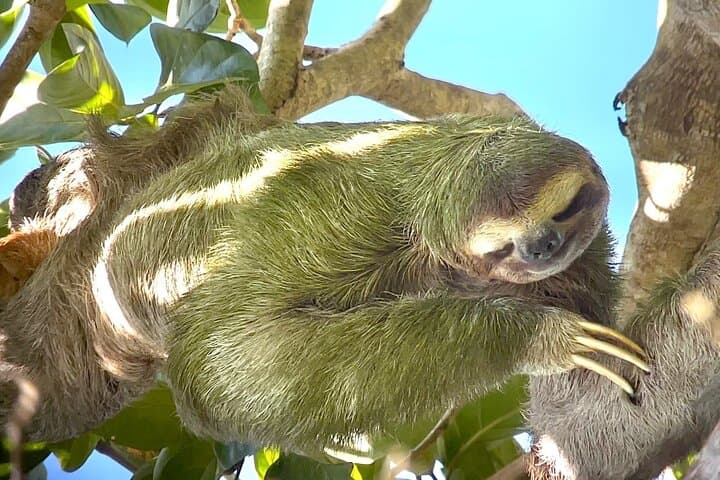
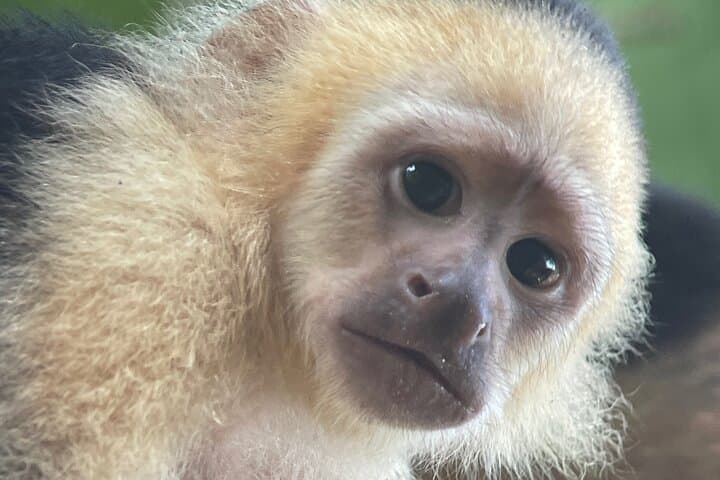
Midday light filters through tall almond and fig trees as a small group threads a narrow rainforest trail toward the roar of the Pacific. Guides sweep the canopy with Swarovski optics, calling out the slow blink of a three-toed sloth, the flash of a toucan, then the chatter of capuchins overhead. The forest feels alive and deliberate—the mangroves and streams daring visitors to look closer.
Verified experiences and guided adventures in the surrounding area.
Operated by Travel and Birding · Quepos, Puntarenas
Midday light filters through tall almond and fig trees as a small group threads a narrow rainforest trail toward the roar of the Pacific. Guides sweep the canopy with Swarovski optics, calling out the slow blink of a three-toed sloth, the flash of a toucan, then the chatter of capuchins overhead. The forest feels alive and deliberate—the mangroves and streams daring visitors to look closer.
Manuel Antonio National Park, created in 1972 to protect a compact yet biodiverse stretch of Pacific coast, sits on ancient marine terraces carved by tectonic uplift and wave action. The volcanic soils support tropical vegetation that hosts reptiles, endemic birds, and mammals familiar to Costa Rica’s conservation story. Local guides layer natural history with cultural context—how coastal communities have depended on fishing and small-scale tourism for generations—and point out coastal geomorphology visible from the trails.
Practically, the tour runs as a guided, educational walk starting around noon in a group capped at eight; guides use optics and interpretive commentary to maximize sightings. After roughly two hours on forest trails, the route drops to Manuel Antonio’s main beach where participants have about an hour to swim before the park closes. Wear closed-toe shoes for uneven root-and-rock trails, carry at least one liter of water, and keep cameras ready but hands respectful—feeding or touching wildlife is prohibited. The park enforces opening and closing times and limits visitor impact; follow your guide’s instructions to protect trails and animals. For a condensed wildlife and beach combo near Quepos, this midday experience balances immersive viewing with practical, accessible logistics.
easy.
2–3 hours.
Suitable for most fitness levels; requires walking on uneven terrain for up to two hours followed by a short beach period.
Admission is typically not included; check the tour listing or pay at the park entrance as directed by your operator.
The tour notes accessibility options, but sections of the park trails are uneven; contact the operator ahead to confirm accommodations.
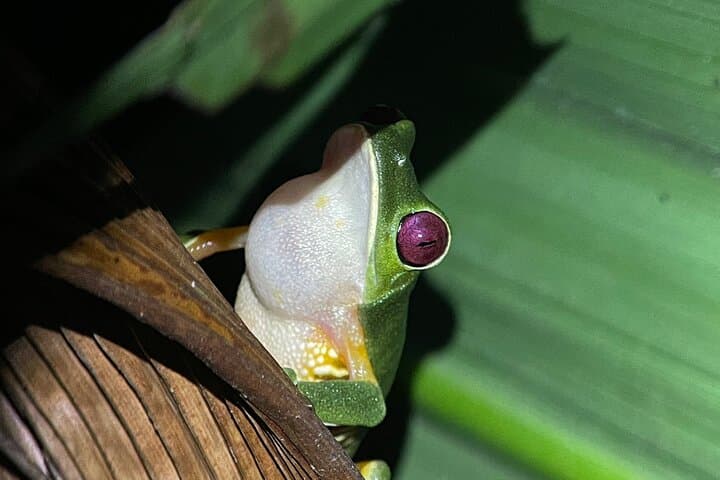
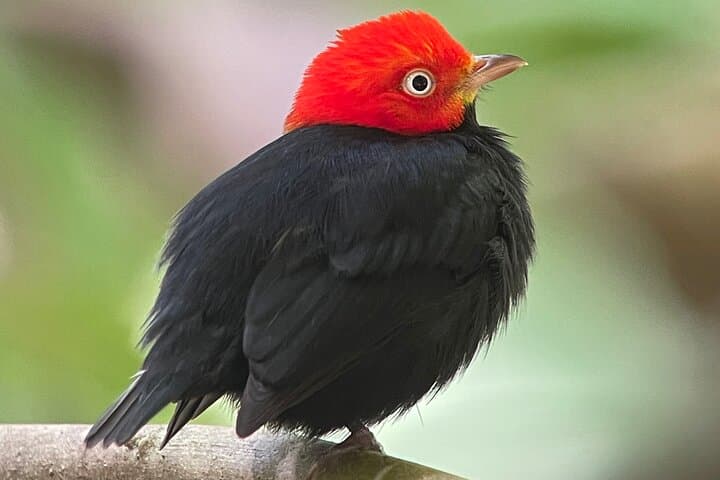
Common sightings include three-toed sloths, white-faced capuchin or howler monkeys, toucans and various reptiles and tropical birds.
Guided walks listed midday begin around 12:00, with approximately two hours in the forest plus about one hour on the beach before the park closes around 15:00.
Manuel Antonio National Park was established in 1972 to protect a compact but ecologically rich stretch of Pacific coast and rainforest, making it one of Costa Rica's earliest park protections.
The park manages visitor numbers and enforces no-feeding rules to reduce human-wildlife conflict; staying on designated trails minimizes habitat damage.
Travel and Birding operates guided outdoor trips and adventures with an emphasis on safety, stewardship, and memorable experiences.
Midday light filters through tall almond and fig trees as a small group threads a narrow rainforest trail toward the roar of the Pacific. Guides sweep the canopy with Swarovski optics, calling out the slow blink of a three-toed sloth, the flash of a toucan, then the chatter of capuchins overhead. The forest feels alive and deliberate—the mangroves and streams daring visitors to look closer.
Midday light filters through tall almond and fig trees as a small group threads a narrow rainforest trail toward the roar of the Pacific. Guides sweep the canopy with Swarovski optics, calling out the slow blink of a three-toed sloth, the flash of a toucan, then the chatter of capuchins overhead. The forest feels alive and deliberate—the mangroves and streams daring visitors to look closer.
Manuel Antonio National Park, created in 1972 to protect a compact yet biodiverse stretch of Pacific coast, sits on ancient marine terraces carved by tectonic uplift and wave action. The volcanic soils support tropical vegetation that hosts reptiles, endemic birds, and mammals familiar to Costa Rica’s conservation story. Local guides layer natural history with cultural context—how coastal communities have depended on fishing and small-scale tourism for generations—and point out coastal geomorphology visible from the trails.
Practically, the tour runs as a guided, educational walk starting around noon in a group capped at eight; guides use optics and interpretive commentary to maximize sightings. After roughly two hours on forest trails, the route drops to Manuel Antonio’s main beach where participants have about an hour to swim before the park closes. Wear closed-toe shoes for uneven root-and-rock trails, carry at least one liter of water, and keep cameras ready but hands respectful—feeding or touching wildlife is prohibited. The park enforces opening and closing times and limits visitor impact; follow your guide’s instructions to protect trails and animals. For a condensed wildlife and beach combo near Quepos, this midday experience balances immersive viewing with practical, accessible logistics.